
Author: alien

Texas Driver’s Ed Online for Adults: What First-Time Drivers Must Know

Happy woman and male instructor showing ok gesture while sitting in the car during drive test. Driving test, driver courses, exam concept

Getting your first driver’s license as an adult can feel like a lot. Maybe you never needed a car growing up, you just moved somewhere without good transit, or a new job finally requires you to drive. Whatever brought you here, you’re in good company. Plenty of Texans earn their first license after 18, and the process is more manageable than it looks.

The key is knowing which steps apply to you. Texas sets different rules by age, and one missed requirement can push back your road test. Here’s the short version for a first-time driver 18 or older:

  • Ages 18 through 24: You need a 6-hour adult driver education course for your first Texas license, and you can take it entirely online.
  • Everyone 18 and older: You need the free, one-hour Impact Texas Adult Drivers (ITAD) program, completed within 90 days before your driving test.
  • Then DPS: You apply in person with your documents and certificates, pass the vision exam, pay the fee and take your driving test.

This guide walks through each step of Texas driver’s ed online for adults, from the 6-hour course to the day you leave DPS with a license in hand.

Who Needs Adult Driver’s Ed in Texas?

Happy young Indian woman in glasses and wireless headphones writing notes, studying online at home, listening to podcast, watching webinar on laptop, using technology for remote education or business

Your age when you apply decides whether driver education is required. According to the Texas Department of Public Safety (DPS):

  • Ages 18 through 24: You must complete a six-hour adult driver education course to apply for your first Texas driver license. The requirement is waived for new residents who surrender a valid, unexpired license from another state.
  • Age 25 and older: Driver education isn’t required. Many adults still take a course to learn Texas traffic laws before the knowledge test.

Adults also have more than one way to meet the requirement. The Texas Department of Licensing and Regulation (TDLR) lists the 6-hour adult course, the 24-hour course designed for teens, and parent-taught driver education as options for drivers over 18. For most adults, the 6-hour online course is the quickest fit.

What the 6-Hour Online Course Covers

TDLR licenses and regulates driver education providers in Texas, so make sure any course you buy is TDLR-approved. Adult courses cover what every new driver needs before getting behind the wheel, including:

  • Texas traffic laws and right-of-way rules
  • Road signs, signals and pavement markings
  • Safe driving habits, including sharing the road and avoiding distractions
  • The dangers of impaired driving and the consequences under Texas law

DrivingQuest’s Texas Adult Driver’s Ed Online course uses audio and video lessons you can work through on any connected device. You can stop and pick up where you left off, and you have up to 45 days to finish, so you can study in short sessions around work and family.

One big advantage: the course includes the official DPS written knowledge exam, a multiple-choice test, so you can take it online instead of at a DPS office. Once you pass, DrivingQuest emails your certificate within a couple of hours.

The Impact Texas Adult Drivers (ITAD) Program

US visa documents approval by consulate officer at office desk with United States flag. Lawyer holding stamp to approve USA immigration application, paperwork and bureaucracy process at interview

The 6-hour course isn’t the last requirement before your road test. Every applicant 18 or older must also complete an Impact Texas Driver program, and adults usually take the Impact Texas Adult Drivers (ITAD) version. Here’s what the official ITAD FAQ says:

  • It’s a one-hour video split into three modules you can watch separately.
  • It’s free and offered by Texas DPS.
  • It’s separate from the 6-hour course and should be completed after it.
  • Your ITAD certificate is valid for 90 days. If you don’t pass your driving test within that window, you’ll need to retake the program.
  • DPS offices and testing schools need a printed copy of the certificate, not an electronic one.

Because of that 90-day limit, time ITAD to your road test. Complete it once you’re ready to schedule your driving test, not months in advance. You can sign up on the official ITAD website, and our guide to the Impact Texas Adult Drivers course walks through what to expect.

Step by Step: From Online Course to Texas License

Here’s the typical path for a first-time adult driver ages 18 to 24, in the order DPS expects it:

  1. Enroll in a TDLR-approved online course. Complete all six hours of Texas driver’s ed online for adults.
  2. Pass the written knowledge exam. With DrivingQuest, it’s part of the course. Our tips on how adults can pass the Texas written driving test can help you prepare.
  3. Print your course certificate. This is your adult driver education certificate (ADE-1317), which you’ll hand to DPS.
  4. Complete ITAD. Finish the free one-hour program within 90 days of your planned road test and print that certificate too.
  5. Gather your documents. The DPS REAL ID Document Check tool builds a personalized list of what to bring.
  6. Apply at a DPS driver license office. Book an appointment, submit your application and certificates, provide your signature and thumbprints, have your photo taken, pass the vision exam and pay the fee.
  7. Pass your driving skills test. Take it at DPS or at an approved third-party testing school.
  8. Drive away with a temporary license. DPS issues a temporary license you can use right away, and your card typically arrives by mail within two to three weeks.

If you’re 25 or older and skip the course, steps 1 through 3 drop out and you’ll take the written test at DPS instead.

Documents to Bring to DPS

Missing paperwork is an easy way to lose your appointment. The DPS application page lists what first-time applicants need:

  • Proof of U.S. citizenship or lawful presence
  • Proof of Texas residency
  • Proof of identity
  • Your Social Security number
  • Proof of insurance for each vehicle you own, or a statement that you don’t own a vehicle
  • Your Impact Texas Driver (ITAD) certificate, dated within 90 days of your driving test
  • Your six-hour adult driver education certificate, if you’re 18 through 24

A new Class C driver license for ages 18 to 84 costs $33 and is valid for eight years, according to the DPS fee schedule.

Where to Take Your Driving Test

Young male instructor holding digital tablet and explaining female student sitting in the car during driving lesson. Driving test, driver courses, exam concept

You can take the road test at a DPS office or at a school in the Third Party Skills Testing (TPST) program. These are driver education schools certified by DPS to give the Class C driving test, and the program is meant to reduce the time you wait for a test.

To test at a TPST school between 18 and 24, DPS says you’ll need your adult driver education certificate and an ITAD certificate dated within 90 days. The school may also ask to see your Class C license or temporary permit with a “B” restriction, so ask what it requires when you book.

DPS doesn’t regulate what schools charge for the test, so ask about the fee when you book. Our Texas driving test guide compares TPST and DPS testing and lists the documents for each.

Tips for First-Time Adult Drivers

  • Study in short sessions. Regular, shorter study blocks stick better than cramming the night before.
  • Use practice tests. Our free Texas DMV practice test questions help you spot weak areas early.
  • Watch your ITAD clock. Book your road test before your 90-day certificate runs out.
  • Practice in real conditions. With an experienced licensed driver beside you, drive at different times of day, in traffic and in the weather you’ll face every day.
  • Print everything. Bring paper copies of your course and ITAD certificates, and gather your documents a few days before your appointment.

Texas Driver’s Ed for Adults: FAQ

Smiling young woman with license showing thumbs up and driving school instructor with clipboard in car. Driving test, driver courses, exam concept

Can adults take the Texas written driving test online?

Yes, when it’s part of an approved adult course that includes the DPS written exam. DrivingQuest’s adult course includes it, so you can pass the knowledge test at home instead of at a DPS office.

Do I need driver’s ed if I’m 25 or older?

No. DPS has no driver education requirement for first-time applicants 25 and older. You can still take the course to prepare, and DrivingQuest’s adult course lets you take the written exam online at 18 or older.

How long does online adult driver’s ed take?

The course is six hours of instruction. With DrivingQuest, you can stop and resume as needed and have up to 45 days to finish, so some students finish it in a single weekend.

Do adults get a learner license in Texas?

Not the way teens do. Under Texas Transportation Code §521.222, the learner license is for drivers ages 15 to 17, and adults 18 and older can apply for a regular driver license without one. After you pass the written knowledge test, you may receive a Class C license or temporary permit with a “B” restriction, which shows you passed the Road Rules and Signs test. Some testing schools ask to see it before your road test. Follow the path above: the 6-hour course if you’re 18 to 24, then ITAD, then DPS testing.

Can I take adult driver’s ed in Spanish?

Yes. DrivingQuest offers adult driver’s ed in Spanish for students who would rather learn in their first language.

Start Your Texas Driver’s Ed Online Today

Earning your first license as an adult is a big step, and the right course makes it easier. DrivingQuest’s adult course is TDLR-approved, self-paced and includes the DPS written exam, so you can knock out two requirements at once from home.

Ready to get on the road? Enroll in Texas Adult Driver’s Ed Online and take the first step toward your Texas driver’s license today.


Texas Defensive Driving: Clear Your Record Before the Holidays

A man and woman are driving through beautiful countryside, smiling and enjoying each other's company on a sunny day.

If you picked up a traffic ticket this fall, it’s easy to put off dealing with it. But Thanksgiving is just weeks away, and once the holidays hit, court deadlines have a way of sneaking up on you. The good news is that many Texas drivers can get a ticket dismissed by completing an approved defensive driving course.

Taking a defensive driving course in Texas now gives you time to resolve that citation, keep it off your driving record, and head into holiday travel without it hanging over you. It’s also a useful refresher before some of the busiest driving weeks of the year.

Here’s how it works, who qualifies, and how to finish on time so you can hit the road in December with a clean slate.

Why Clearing a Ticket Before the Holidays Matters

Close-up of woman hand holding pen marking an important date on desk calendar, Scheduling planning, Business appointment, Meeting schedule, travel planning. selective focusHoliday travel puts a lot of drivers on Texas roads. AAA projected a record 81.8 million Americans would travel over Thanksgiving 2025, with at least 73 million going by car. More traffic means more chances for another stop, and a second violation on top of an open one can make things harder with both the court and your insurance company.

Resolving a ticket now also helps you:

  • Keep the violation off your record. When the court dismisses your ticket after you complete an approved course, the citation is not reported as a conviction.
  • Protect your insurance rates. Moving violations on your record can raise your premiums. Learn more in our guide on how Texas defensive driving online saves your license and wallet.
  • Avoid holiday deadline stress. Courts often have reduced hours around the holidays. Getting your paperwork in early means you won’t be scrambling in late December.

How Ticket Dismissal Works in Texas

Texas lets eligible drivers take a 6-hour Driving Safety Course (often called defensive driving) to dismiss certain traffic tickets. According to the Texas Department of Licensing and Regulation (TDLR), you must first receive notice from the court that you are eligible, and you are still responsible for any court costs and fees.

The general process looks like this:

  1. Request the course from the court. On or before the appearance date on your citation, contact the court listed on your ticket and ask for permission to take a driving safety course.
  2. Wait for court approval. Courts are clear on this point. Fort Bend County’s court guidance, for example, warns drivers not to take the course until they receive an order from the court allowing them to do so.
  3. Complete the course within your deadline. Once the court accepts your request and costs are paid, you typically have 90 days to finish.
  4. Order your Type 3A driving record. The court will ask for a certified Type 3A driving record from the Texas Department of Public Safety. It costs $10 and can be printed or emailed right after you order online. DrivingQuest also offers help on our Driving Records page.
  5. Submit your documents. Turn in your certificate of completion, your 3A record, and any affidavit the court requires before your deadline.

Want a deeper look at this process? Read How to Dismiss Your Texas Ticket Before It’s Too Late.

Who Qualifies for Ticket Dismissal?

Young caucasian man giving his license and registration to a police officer to give him a parking traffic ticket

Not every driver or every ticket is eligible. In general, you may not be able to use a driving safety course to dismiss a ticket if:

  • You completed a course for ticket dismissal within the 12 months before your offense date
  • You hold a commercial driver’s license (CDL), or held one when the offense happened
  • You were going 25 mph or more over the posted limit, or 95 mph or faster
  • The offense involved passing a school bus, leaving the scene of a crash, or a violation in a construction zone with workers present

You’ll also need a valid Texas driver’s license (or qualifying military status) and proof of insurance. Rules can vary slightly by court, so always confirm with the court listed on your ticket.

Your Holiday Timeline: When to Start

Thanksgiving falls on November 26, 2026, and holiday travel ramps up fast after that. Here’s a simple timeline to stay ahead:

  1. Now through early November: Contact the court and request permission to take the course.
  2. As soon as you’re approved: Enroll and complete the 6-hour course online.
  3. Right after you pass: Order your Type 3A record and gather your documents.
  4. Before mid-December: Submit everything to the court, before holiday closures slow things down.

Holiday driving is also some of the riskiest of the year. TxDOT reported 41 traffic deaths over the 2025 Thanksgiving holiday period, 47 over Christmas, and 52 over New Year’s. The skills you review in a defensive driving course can help you stay safe on those busy roads, too.

Why Take Your Defensive Driving Course in Texas Online with DrivingQuest

DrivingQuest makes it easy to finish your course on your schedule, even during a busy season. Our Texas Defensive Driving course is:

  • TDLR approved (#CP020) and accepted by all Texas courts
  • 100% online with audio and video lessons you can start, stop, and resume anytime
  • Fast to finish: Texas law requires 6 hours, and our course is built to efficiently get you through it.
  • Quick to certify: E-certificates are emailed 1 to 2 hours after you pass
  • Available in Spanish: Take our Curso de Manejo Defensivo if you prefer

A defensive driving course can also help you qualify for an insurance discount, even without a ticket. See How Much Texas Drivers Save with Defensive Driving Discounts to learn more.

New to Driving in Texas? Start Here

Success man typing on laptop, communicating online distantly working or studying on computer at home

If you’re an adult who still needs a license before the holidays, defensive driving isn’t the right course for you yet. Instead, start with our Texas Adult Driver’s Ed course, which meets the state’s 6-hour requirement for drivers 18 and older. You’ll also need to complete the free Impact Texas Adult Drivers (ITAD) video program.

For step-by-step help, read Fast Track Your Texas License: A Complete Guide to Adult Driver’s Ed and Easy Steps to Get Your Driver’s License in Texas. When you’re ready to get behind the wheel, DrivingQuest can also help you with your Texas driving test.

Frequently Asked Questions

Does defensive driving remove a ticket from my record?

If the court approves your request and you complete the course and submit your documents on time, the ticket is dismissed and won’t appear as a conviction on your record. It does not remove older convictions that are already there.

How long do I have to finish the course?

Most Texas courts give you 90 days from the date they approve your request. Check your court order for your exact deadline.

How often can I take defensive driving for ticket dismissal?

You can use a driving safety course to dismiss a ticket once every 12 months, based on your offense date.

Can I take the course on my phone?

Yes. The DrivingQuest course works online, so you can complete it at home or on the go.

Start Fresh Before the Holidays

Don’t let a traffic ticket follow you into the new year. Request approval from your court, complete your defensive driving course online, and head into holiday travel with a clean record and sharper driving skills. Enroll in DrivingQuest’s TDLR-approved Texas Defensive Driving course today!

Fall Semester Goal: Help Your Teen Get Their License Before Winter

Cute and cheerful teenager holding her driving license while standing next to her new car outdoors

Fall semester already comes with plenty of deadlines, from college applications and fee schedules to sign-up sheets and school activities. Add Texas teen driving to the calendar, too. Starting driver education in September or October can help your teen stay on track for a spring license, thanks to Texas’ required six-month learner-license period. It also gives teens a chance to complete their classroom work during the fall and winter months, before spring brings more time for supervised driving practice.

Why the six-month rule makes fall the starting line

Driving school. Student during lesson with driving instructor in carTexas uses a Graduated Driver Licensing (GDL) system, and the part that catches most families off guard is the holding period. According to the Texas Department of Public Safety, a teen must hold a learner license for at least six months before becoming eligible for a provisional license.
The clock starts the day your teen walks out of the DPS office with a learner license in hand. So the real question isn’t “when can my teen get licensed?” It’s “how fast can we get the permit?”

Start Texas teen driver’s ed in September, and your teen can realistically have a permit by early October, which puts the provisional license within reach by spring break. Wait until the holidays to start, and you’ve pushed that finish line into summer.

The Texas timeline, step by step

Step 1. Complete the first six hours of classroom instruction. Texas requires a set number of classroom hours before a teen can apply for a learner license. With an online course, those first hours can be done in a weekend, and DrivingQuest issues the permit certificate by email within one to two hours of completion.

Step 2. Pass the written exam. The DPS written knowledge test is 40 multiple-choice questions and is built into the DrivingQuest course, so your teen takes it at home instead of standing in line.

Step 3. Visit DPS for the learner license. Teens between 15 and 17 can apply with the DE-964 certificate, proof of identity and residency, and a Verification of Enrollment (VOE) form from their school showing at least 90% attendance. This is the day the six-month clock starts.

Step 4. Finish the remaining classroom hours. The full course is 32 hours online. State rules cap instruction at two hours per day, which is exactly why this works alongside a school schedule. It’s a homework-sized commitment, not a second job.

Step 5. Log 44 hours behind the wheel. The DPS provisional license requirements break this into 7 hours of in-car instruction, 7 hours of observation, and 30 hours of practice with a licensed adult over 21, including 10 hours at night.

Step 6. Complete Impact Texas Teen Drivers (ITTD). This two-hour video program from Texas DPS is mandatory before the road test, and the certificate is only valid for 90 days.

Step 7. Pass the road test. Our driving test guide walks through what to bring and explains the difference between testing at a DPS office and using a Third Party Skills Testing (TPST) site. That choice matters more than most families realize, because DPS road test appointments in some Texas metros are booked 60 days or more in advance.

A realistic fall calendar

When What happens
Late September Enroll, finish the first 6 hours, pass the written exam
Early October Learner license issued at DPS, and the six-month clock starts
October to December Chip away at the remaining 26 online hours, two hours a day
October to March Log behind-the-wheel hours, including the 10 night hours
Early March Complete ITTD (within 90 days of the road test)
Mid-March Road test, then provisional license in hand

That’s a spring break license instead of a summer scramble.

Why the night hours are the real argument for starting now

Male examiner with instructor passing driving license test in carDaylight saving time ends November 1, 2026, and after that it’s dark in most of Texas before dinner. That might sound like a reason to wait. It’s actually the opposite.

Your teen has to log 10 supervised night hours regardless. The question is whether those hours happen with you in the passenger seat this winter, or alone next winter with a fresh license. The CDC reports that the nighttime fatal crash rate for teen drivers is about three times as high as it is for adults per mile driven, and that crash risk is highest during the first months after licensing.

Early sunsets give you a supervised, low-stakes way to build the exact skill your teen will need most. Then add the winter conditions Texas actually throws at drivers: fog on I-35, black ice on overpasses, glare during the commute home. A fall start means your teen learns all of it with a coach in the car, not on their own.

NHTSA points to the same conclusion. GDL systems reduce teen crash risk by up to 50%, and parental involvement during the learning phase is what makes the difference. The state gives you six months of built-in supervised practice. Fall is when you use it well.

Why online Texas teen driver’s ed fits a school year

A classroom course meeting on a fixed weeknight schedule competes directly with football, band, theater, and AP homework. An online course doesn’t. Your teen logs in after practice, does an hour, and logs off.

DrivingQuest’s Texas teen driver’s ed course is TDLR-approved, runs $99 (regularly $175), and includes audio and video instruction plus the DPS written exam. At the behind-the-wheel phase, it can be paired with a local accredited driving school.

If you’d rather teach the driving portion yourself, the parent-taught driver’s ed covers the same 32 classroom hours at $89. Same license at the end, just a different instructor in the passenger seat. Either way, TDLR rules let students transfer between Texas-licensed schools if plans change mid-course.

For bilingual Texas families

Young male college student using laptop, sitting at homeDriver education shouldn’t stall out because of a language barrier. DrivingQuest offers the adult driver’s ed course in Spanish for parents 18 and over who still need their own license, plus a defensive driving course in Spanish for ticket dismissal or an insurance discount.

If you’re weighing your options, our guide to learning to drive in Texas with an online course in Spanish walks through how the Spanish-language courses work, what the DPS written exam looks like, and what each one costs. A parent who gets comfortable behind the wheel first is a much better coach for the 30 supervised hours ahead.

Set the goal this week

A driver’s license isn’t a single task. It’s a six-month process with a legally required waiting period in the middle. The families who finish by spring are simply the ones who started in the fall.

Pick a target date. Work backward. Enroll this week, get the permit by October, and let the clock do the rest.

Start your teen’s Texas driver’s ed course today.

Texas Driving Test in Spanish: Complete Study Guide for Success

high school,college,university student writing in class room or library at work space with book stack for knowledge prepare exams scholarship study abroad.research world international education learn

If Spanish is the language you think in, there is no reason to study for your Texas driver’s license in English. Texas allows the driver’s license knowledge test to be taken in Spanish; the official driver handbook is available in Spanish, and state-approved driver education courses are also offered in Spanish, including Driving Quest’s Spanish Adult Drivers Ed course.

That means preparing for the examen de manejo en Texas can happen entirely in the language you are most comfortable with. This guide explains which study materials are available in Spanish, provides sample practice questions, and covers how to prepare for test day.

Can You Take the Texas Driving Test in Spanish?

Yes. According to the Texas Department of Licensing and Regulation, the driver license knowledge test must be taken in either English or Spanish. Course providers may teach in other languages, but the exam itself is offered in those two languages only.

There is one important condition. Road signs in Texas are written in English, so you still need to recognize what those signs mean in order to pass. There is good news, however. Most regulatory and warning signs rely on shape and color as much as wording, and a good Spanish-language course teaches the English sign vocabulary alongside the rules. Roughly two dozen words carry most of the weight: STOP, YIELD, DO NOT ENTER, WRONG WAY, ONE WAY, SPEED LIMIT, NO PARKING, RAILROAD CROSSING, and a handful of others.

The road test, the driving portion where an examiner rides with you, is a skills evaluation rather than a language test. Instructions are simple and directional, and many examiners across Texas speak Spanish.

What the Written Knowledge Test Covers

Smiling woman in headphones listening audio online course, engaged in professional, educational webinar event seated at table with laptop in cozy home interior. On-line studying, e-learning, tuitionThe Texas written knowledge test is multiple-choice and draws entirely from the Texas Driver Handbook. Expect questions in four broad areas:


Señales de tránsito. Road sign shapes, colors, and meanings, including regulatory, warning, and guide signs.

Leyes de tránsito. Speed limits, right-of-way rules, turning and lane rules, and what to do at intersections.

Manejo seguro. Following distance, passing, night driving, bad weather, and sharing the road with trucks, cyclists, and pedestrians.

Alcohol y drogas. Blood alcohol limits, implied consent, and the penalties Texas applies to impaired driving.

The version administered at a driver license office is 30 questions, and you need a score of at least 70 percent in order to pass. Texas splits the questions into a road signs section and a traffic laws section. If you take the written exam through DrivingQuest’s Spanish adult course, the included DPS written exam has 40 multiple-choice questions, and a practice test comes with it, so you can see where you stand before the real thing.

Adults 18 to 24 are required to complete a six-hour adult driver education course before licensing, and completing an approved course means you take the written exam as part of the course instead of at the DPS office. Drivers 25 and older are not required to take the course, but they can still enroll and earn credit for taking the written exam online.

Spanish Study Materials Worth Using

El Manual del Conductor de Texas

Every question on the knowledge test comes from the official handbook, which the Texas Department of Public Safety publishes in Spanish as form DL-7S. You can download the Spanish driver handbook from DPS at no cost. Read it, but read it strategically: the road signs and right-of-way chapters generate far more test questions than the administrative sections about fees and renewals.

A State-Approved Course in Spanish

Reading a handbook alone is a slow way to learn. Our Texas Adult Drivers Ed in Spanish course delivers the same TDLR-approved curriculum with audio and video in Spanish, works on any device, and stays open for 45 days from purchase so you can move at your own pace. The course includes the official DPS written exam, and once you complete the first six hours, we email your permit certificate. If you want a longer explanation of how the online format works, we covered it in Learn to Drive in Texas with Our Online Course in Spanish.

DrivingQuest also has:

Spanish Defensive Driving Test

Defensive Driving in Spanish

Already licensed and dealing with a ticket or an insurance rate you want to lower? That is a different course from driver’s ed. Our Texas Defensive Driving in Spanish course covers ticket dismissal and insurance discounts, also fully in Spanish.

Practice Questions to Test Yourself

Traffic signs and vehicles on a white background.

Work through these before you sit down for the real exam. Cover the answers, commit to a choice, then check yourself.

Work through these before you sit down for the real exam. Cover the answers, commit to a choice, then check yourself.

1. Señales de tránsito

An eight-sided red sign means you must:

  • a) Slow down and proceed if clear
  • b) Come to a complete stop
  • c) Yield to traffic on the left only

Answer: b. The octagon is reserved exclusively for STOP in Texas and nationwide. You must stop completely behind the marked line, the crosswalk, or the edge of the intersection, whichever comes first.

2. Move Over o Reduzca la Velocidad

You are driving 60 mph on a single-lane highway and approach a tow truck stopped on the shoulder with its flashing lights on. You cannot safely change lanes. What must you do?

  • a) Maintain your speed and stay in your lane
  • b) Slow to 40 mph
  • c) Come to a complete stop

Answer: b. Texas law requires you to move over a lane when you can do so safely. When you cannot, you must slow to 20 mph below the posted limit, which is 40 mph here. The rule covers law enforcement, emergency responders, tow trucks, utility vehicles, and TxDOT vehicles stopped with lights activated.

3. Límites de velocidad

A speed limit sign posts the maximum speed allowed under:

  • a) Any conditions
  • b) Ideal conditions
  • c) Nighttime conditions only

Answer: b. Posted limits assume good weather, dry pavement, and light traffic. Driving the posted limit in a storm can still be unsafe and can still earn you a citation.

4. Alcohol al volante

For drivers 21 and older in Texas, what blood alcohol concentration counts as legally intoxicated?

  •  a) 0.02
  • b) 0.05
  • c) 0.08

Answer: c. The limit is 0.08 for drivers 21 and over. For drivers under 21, Texas has zero tolerance, so any detectable amount is a violation.

5. Derecho de paso

Two vehicles arrive at a four-way stop at the same moment. Who goes first?

  • a) The vehicle on the left
  • b) The vehicle on the right
  • c) The larger vehicle

Answer: b. When two drivers stop at the same time, the driver on the right has the right of way. If you arrive first, you go first, regardless of position.

Study Tips that Make the Difference

Amazing results, showing notepad. Woman is with instructor in car, driving school concept.Study in short blocks. Three or four sessions of 30 minutes across a week beat one long cram session the night before. Retention improves a lot when the material is spaced out.

Drill road signs separately. Signs are the section most people lose points on, and they are also the easiest to memorize with flashcards. Learn the English wording and the Spanish meaning together.

Take practice tests until you are consistently above 85 percent. Passing at 70 leaves no margin for a nervous mistake. Scoring in the mid-80s on practice tests means you have real room.

Review what you got wrong, not what you got right. A missed question tells you exactly where the gap is. Go back to that chapter of the manual instead of retaking the whole test.

Use the audio. If reading in any language is a struggle, the audio and video in the Spanish course lets you learn by listening, which is often faster.

After the Written Exam: Preparing for the Road Test

Passing the written portion gets you a learner’s license. The road test is the final step, and applicants must be at least 16 years old at the time of the appointment. Our Driving Test page lists exactly which documents to bring based on your category, whether you completed teen driver ed, adult driver ed, or are 25 and older.

Two things are worth planning around:

Where you test. Booking through a DPS office can require an appointment made up to 60 days out. Third Party Skills Testing locations are driving schools authorized by DPS to give the test, and wait times there are usually much shorter.

The Impact Texas course. Adults must finish the Impact Texas Adult Driver (ITAD) course, and teens must finish Impact Texas Teen Driver (ITTD), before the road test. Both are separate from driver ed, and both must be done first.

On the driving portion itself, examiners are watching for the fundamentals: full stops, correct signaling, mirror and shoulder checks, smooth lane changes, controlled speed, and parking. Practice the specific maneuvers in a car you know well, and make sure the insurance on that vehicle is current and not expired.

Start Studying Today

Preparing for the examen de manejo en Texas in Spanish is not a workaround or a shortcut. It is a path the state fully supports, from the official handbook to the approved courses to the exam itself. DrivingQuest is a TDLR-approved provider (#C2603) offering the full Texas driver education course in Spanish, with the DPS written exam included and certificates emailed within one to two hours of passing.

Pick your study materials, work through the practice questions, and enroll in the Spanish adult driver education course when you are ready to make it official. Questions along the way? Call us at (877) 900-0030.

Texas Region 1 Schools: Drivers Ed Options for Rio Grande Valley Teens

Driving instructor sitting in a car with his student and explain to him driving basics and traffic rules. He is using electronic tablet for education purpose. View from inside.

For families across the Rio Grande Valley, the weeks before school starts are the busiest of the year. Schedules, supply lists, and sports physicals all compete for attention.

If you have a teen who’s eligible for a learner permit, this stretch of summer is also the best time to knock out Region 1 Driver’s Ed Texas requirements. That way, your teen isn’t squeezing classroom hours in around homework once fall classes begin.

Whether your student attends school in McAllen, Brownsville, Laredo, Edinburg, or one of the smaller districts scattered across deep South Texas, the path to a Texas driver’s license looks the same. DrivingQuest can help your family get there.

What Is Texas Education Region 1?

driver courses and people concept - car driving school instructor teaching young woman to drive

Texas Region 1 Schools fall under the Region One Education Service Center, headquartered in Edinburg with additional offices in Brownsville, McAllen, and Laredo. Region 1 covers seven counties in deep South Texas: Cameron, Hidalgo, Willacy, Starr, Jim Hogg, Webb, and Zapata.

The region includes roughly 38 school districts, from large systems like McAllen ISD, Brownsville ISD, and Laredo ISD to smaller districts such as San Isidro ISD and Lasara ISD. If your teen attends any Rio Grande Valley public school, chances are they’re a Region 1 student.

Because Region 1 is so spread out, families here don’t always have the same access to in-person driving schools that families in bigger metro areas do. That’s exactly why online, state-approved driver’s ed has become such a popular option for RGV teens. It removes the drive-time and scheduling headaches while still meeting every Texas requirement.

Texas Driver’s Ed Requirements Every RGV Family Should Know

Texas driver’s ed rules apply the same way whether a teen lives in Houston or Harlingen. As of December 2024, the Texas Department of Licensing and Regulation requires teens ages 14-17 to complete:

●      24 hours of classroom instruction (reduced from the previous 32-hour requirement)

●      44 hours of behind-the-wheel training: 7 hours of observation, 7 hours of instruction, and 30 hours of supervised practice, including at least 10 hours at night

●      A completed Impact Texas Teen Drivers (ITTD) course before the road test

Teens who choose the parent-taught path also need the official PTDE packet from TDLR, which costs a one-time $20 fee. Adults ages 18-24 face a shorter path: a 6-hour adult driver’s ed course, as confirmed by the Texas Department of Public Safety.

Two Ways RGV Teens Can Complete Driver’s Ed

Student studying taking notes on notebook beside a laptop at home

Parent-Taught Driver’s Ed lets a parent, grandparent, or qualifying legal guardian serve as the driving instructor. Your teen completes the 24-hour classroom portion through DrivingQuest’s Texas Parent-Taught Driver’s Ed course online, then logs the 44 behind-the-wheel hours with you.

It’s typically the most affordable route, and it gives families full control over the schedule. That’s a real advantage for RGV parents juggling work and multiple kids’ activities.

Teen Drivers Ed (Instructor-Taught) is the right fit for families who’d rather have a local driving school handle the ‘behind-the-wheel’ hours. With DrivingQuest’s Texas Teen Drivers Ed course, your teen completes the classroom instruction online, at their own pace, and then finishes the required driving hours with a licensed RGV-based driving.

Both options include the DPS written exam inside the course, so there’s no separate trip to a DPS office just to test for a learner permit.

Why Start Before the School Year Begins

State law limits students to two hours of classroom instruction per day. That means the sooner your teen starts, the sooner they can bank hours toward their permit. Getting a head start over the summer means your teen can earn their learner permit before the first bell rings. Then they can spend the school year focused on logging behind-the-wheel practice instead of catching up on coursework. We cover this timing advantage in more detail in Start the School Year Right with Texas Online Driver’s Ed.

Getting Ready for the DPS Driving Test

Driving school. Happy student passing driving test with examiner in car at parking lot

Once the classroom hours, behind-the-wheel hours, and ITTD course are complete, the last step is the road test at a Texas DPS office. Our Driving Test page walks through what documents to bring and what the examiner expects. Testing routes and conditions vary by location.

Get Started with DrivingQuest

No matter which Region 1 district your teen attends, DrivingQuest offers a TDLR-approved, DPS-accepted path to a Texas driver’s license. The course is available entirely online, in English or Spanish, with support along the way. Enroll today and help your teen earn their permit before the school year gets underway.

Parent Taught Driver’s Ed Texas: Your Complete Back-to-School Guide

Grey haired dad is teaching daughter how to drive. Driving lessons. Concept of family, relationship, paternity.

Back-to-school season is more than new notebooks and early alarms. For many Texas families with a teen turning 14, 15, or 16, it’s also the natural moment to start Parent Taught Driver’s Ed Texas’ Parent-Taught Driver Education (PTDE) program lets you, the parent, act as the certified instructor for the behind-the-wheel portion of your teen’s training, while a state-approved provider like DrivingQuest handles the classroom curriculum online. The result: real savings, a flexible schedule that works around school and extracurriculars, and a front-row seat to your teen’s growth as a driver.

This guide walks through exactly what Parent Taught Driver’s Ed involves, why the start of the school year is such a smart time to enroll, and how to get your teen from sign-up to a driver’s license without missing a beat.

What Is Parent Taught Drivers Ed in Texas?

Happy teenager fastening seat belt while sitting next to driving instructor during driving test inside carParent Taught Driver Education (PTDE) is a Texas Department of Licensing and Regulation (TDLR)-approved alternative to a traditional driving school. Instead of paying a driving school for both the classroom and in-car hours, you split the responsibility:

24 hours of classroom instruction completed online at the student’s own pace through an approved provider.

44 hours of behind-the-wheel practice (including 10 hours at night), supervised directly by a qualifying parent, step-parent, grandparent, foster parent, or court-appointed legal guardian.

According to the Texas Department of Licensing and Regulation, the parent-instructor must be at least 25 years old, hold a valid driver’s license, have at least seven years of driving experience, and have a clean record free of serious violations in the past three years. Once approved, you’re the one signing off on every hour your teen spends practicing turns, lane changes, and highway merges.

Not sure whether your family qualifies or which option fits best? The Teen Driver’s Ed page breaks down how parent-taught compares to instructor-taught courses so you can pick the right path before you enroll.

Why Back-to-School Season Is the Best Time to Start

Like most things in life, timing matters! Starting the classroom hours as the school year kicks off gives your teen months of runway to finish 24 hours of coursework in short, manageable sessions. Eliminate the stress of cramming over a single weekend and rushing behind-the-wheel practical experience.

It also lines up naturally with the routines already forming for the new school year: homework time, dinner, and a bedtime schedule. Slotting in a lesson or two per week maintains the momentum. Our post on starting the school year right with online driver’s ed goes deeper into building that kind of schedule, including how to balance coursework with fall extracurriculars.

How to Get Your Teen Started

Middle aged mother and son university student, together at home

Enrolling is more straightforward than most parents expect:

1. Confirm eligibility. Your teen must be at least 14, and you (or your designated instructor) must meet the parent-instructor requirements above.

2. Enroll in an approved course. Choose a TDLR-approved provider for the 24-hour classroom curriculum, completed online at your teen’s pace.

3. Start behind-the-wheel practice. Once your teen earns their learner’s permit, you begin logging the 44 required hours, building from quiet neighborhood streets up to nighttime and/or highway driving.

4. Prepare for the exam. When classroom and driving hours are complete, your teen will need to pass the state’s written and road tests. Our driving test resource page covers what to expect and how to walk in prepared.

The Benefits of Teaching Your Own Teen

Handsome father smiling and giving her teen daughter the car keys. Adolescent girl ready to start driving after getting her driver's license

Save money. Skipping a driving school’s in-car lesson fees is typically the biggest cost savings of the PTDE route.

Flexible scheduling. Practice whenever it fits your family’s calendar, rather than booking around a driving school’s availability.

Personalized pacing. Spend more time on the skills your teen finds challenging (eg., parallel parking or merging onto the highway)

Shared experience. Many parents find that teaching their teen to drive becomes a meaningful bonding experience during an otherwise fast-moving stage of adolescence.

Ready to Begin the School Year Behind the Wheel?

Parent Taught Driver’s Ed gives Texas families a state-approved, budget-friendly way to get a teen road-ready, and back-to-school season is the ideal window to start during classroom hours. Enroll now, and by the time the school year winds down, your teen could be walking out of the DPS office with a new license in hand.

How to Transfer Your Driver’s Ed Course to Another School in Texas

Man in his 30s and teen girl sitting inside a car for a driving exam. Male instructor giving directions to an adolescent girl during her lesson

Changing schools doesn’t have to mean starting your driver’s education from scratch. Whether you’re relocating, looking for a more affordable course, or switching to a more flexible online program, transferring your driver’s education course in Texas is often possible.

Understanding the transfer driver’s ed Texas process can save you both time and money while ensuring you stay on track toward earning your learner’s license and driver’s license.

This guide explains how these transfers work in Texas, what documents you’ll need, potential limitations, and how to make the transition as smooth as possible.

Can You Transfer Driver’s Ed Credits in Texas?

A HAPPY TEENAGER LOOKING AT CAMERA DURING ONLINE CLASSYes, but only under certain conditions.
Texas permits students to transfer from one licensed driver education school to another. Whether completed classroom or behind-the-wheel hours are accepted depends on the receiving school’s evaluation of the student’s records and its transfer policy.

The Texas Department of Licensing and Regulation (TDLR) regulates licensed driver education providers and sets standards for course completion and recordkeeping. While TDLR oversees providers, each school determines its own transfer policy based on the student’s progress and documentation.

Why Students Transfer Driver Education Schools

Students transfer for many reasons, and most are completely routine.

Relocating within Texas

Moving to another city often makes attending in-person classes impractical. Switching to a nearby or online state-approved school allows students to continue their education without unnecessary travel.

Looking for More Flexible Learning

Many students prefer online driver education because they can study on their own schedule. This flexibility is especially helpful for high school students balancing academics, extracurricular activities, and part-time jobs.

Lower Course Costs

Some driver education providers offer significantly lower tuition while maintaining the same state approval. Comparing providers can help families reduce overall licensing costs.

Better Student Support

Some schools like Driving Quest provide bilingual instruction, multiple exam attempts, or improved customer support, making the learning experience more accessible.

Is Every Driver Education Course Transferable?

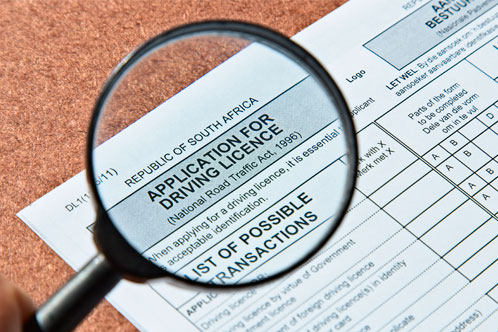
Application for a driving licence in South Africa form.Not always. Transfers generally depend on three important factors:

1. State Approval

Both the current school and the new school should be approved to provide Texas driver education. Credits from unapproved programs may not be accepted.

2. Course Compatibility

Different schools may organize lessons differently. The receiving provider must determine whether your completed coursework aligns with its curriculum.

3. Documentation

Without official records proving completed classroom hours, the receiving school usually cannot award transfer credit.

Documents You’ll Need for a Driver Education Transfer

Before contacting another school, gather all available documentation.

Document Why It Matters Who Provides It
Enrollment record Confirms your registration Original school
Progress report Shows completed instructional hours Original school
Classroom completion records Verifies finished lessons Original school
Behind-the-wheel training record Documents completed driving hours Driving instructor
Student identification Confirms enrollment details Student
Payment receipts (if available) Helps resolve enrollment disputes Student


Having complete records makes the evaluation process significantly faster.

Step-by-Step: How to Transfer Driver’s Ed in Texas

Yes, I'm A Winner. Excited emotional ecstatic lady celebrating success, victory or great news sitting at table, using personal computer, screaming yeah and raising hands up. Smiling happy woman in joy

Step 1: Contact Your Current School

Begin by requesting your official student records and progress report. Ask whether they have any additional transfer documentation commonly requested by other Texas schools.

Most schools maintain student records because they are required to document course completion for regulatory purposes.

Step 2: Find a State-Approved Receiving School

Before enrolling elsewhere, confirm that the new provider accepts transfer students. Every school has different policies regarding partial course transfers, so it’s important to ask specific questions before paying new enrollment fees.

Step 3: Submit Your Documentation

Provide copies of all requested records. The receiving school reviews completed classroom instruction, driving observation hours, and behind-the-wheel training before determining how much credit can be awarded.

Step 4: Receive a Course Evaluation

After reviewing your records, the new school will explain:

  • How many hours transfer
  • Which lessons still need completion
  • Whether additional driving instruction is required
  • Any applicable transfer fees

Step 5: Complete Remaining Requirements

Once enrolled, simply finish any remaining instructional hours before receiving your completion certificate.

What Cannot Usually Be Transferred?

Some portions of driver education may need to be repeated.

  • Missing Documentation: If completed hours cannot be verified, schools typically cannot award transfer credit.
  • Incomplete Driving Lessons: Behind-the-wheel instruction often requires careful documentation. Missing instructor signatures or incomplete logs may require additional practice sessions.
  • School-Specific Requirements: Some providers include supplemental lessons or assessments unique to their curriculum. These may need to be completed even if classroom hours transfer.

Texas Driver Education Requirements That Don’t Change After a Transfer

Changing schools doesn’t reduce the requirements established by the Texas Department of Public Safety. Before receiving your provisional license, you’ll still need to complete all applicable classroom instruction, behind-the-wheel training, supervised practice, and the Impact Texas Teen Drivers (ITTD) program.

Requirement Texas Requirement
Classroom instruction 32 hours of teen driver education (students may apply for a learner license after the first 6 hours under the Concurrent Method or after completing all classroom hours under the Block Method)
Behind-the-wheel instruction 7 hours of in-car observation and 7 hours of behind-the-wheel instruction as part of the teen driver education course
Additional supervised practice 30 hours of behind-the-wheel practice with a parent/guardian or qualified adult, including 10 hours at night
Impact Texas Teen Drivers (ITTD) Must be completed after behind-the-wheel training and before taking the driving skills test

The learner license and licensing process remain unchanged regardless of where you complete your education.

Does Transferring Delay Getting Your License?


Usually, no.

If records are transferred promptly and the receiving school processes them quickly, most students experience little interruption.

Delays typically happen when documentation is incomplete or when students wait several weeks before requesting their records.

Planning the transfer early helps avoid scheduling issues for driving lessons and licensing appointments.

Before You Transfer: A Quick Checklist

Taking a few simple steps before switching schools can help you avoid delays, prevent duplicate coursework, and make the transfer process much smoother.

1. Verify That the New School Is State-Approved

Before enrolling, confirm that your new driver education provider is approved to offer Texas driver education courses and accepts transfer students. Doing so ensures that your completed coursework can be properly evaluated and credited where applicable.

2. Request Your Records Before Leaving

Contact your current school and ask for copies of your enrollment record, progress report, classroom completion record, and any behind-the-wheel training logs. Having these documents ready can significantly speed up the transfer review.

3. Ask About Transfer Policies and Fees

Every provider has its own process for evaluating transfer credits. Find out whether there are any administrative fees, how long the review typically takes, and which completed lessons or driving hours will count toward your new course.

4. Confirm Your Remaining Course Requirements

Once your records have been reviewed, ask for a clear breakdown of the classroom instruction, driving practice, or observation hours you still need to complete. Knowing exactly what’s left will help you plan your schedule and avoid unexpected delays in earning your license.

5. Keep Copies of All Documentation

Store digital and printed copies of your transfer paperwork, payment receipts, and course records until you’ve completed your driver education. Keeping everything organized can make it easier to resolve questions or verify your progress if needed.

Why Choosing the Right School Matters After a Transfer

Joyful Middle Eastern Woman Showcasing Her Driving License To Camera Through Car Window Sitting Inside, While Professional Instructor Taking Notes After Successful Test Drive. Selective FocusChoosing the right school after a transfer can make the rest of the process easier, faster, and more affordable.

Better Fit for Your Schedule and Budget

A transfer is a chance to choose a program that works around school, work, and family responsibilities. The right provider can also help you avoid unnecessary costs while keeping you on track.

Faster Progress Toward Completion

Some schools make it easier to pick up where you left off by quickly reviewing transfer records and placing you into the remaining lessons. That can help reduce delays and keep your licensing timeline moving.

More Flexible Learning Options

If your previous school was not a good fit, transferring may give you access to online classes, self-paced study, or bilingual instruction. These options can make it easier to stay consistent and finish strong.

Support That Makes Completion Easier

Look for state-approved instruction, transparent pricing, flexible online learning, bilingual course options, and strong student support. These features can make finishing your remaining requirements simpler and help you stay focused on earning your Texas driver’s license.

Confidence in the Final Steps

The right school does more than transfer your records. It gives you a smoother path through the rest of the course, so you can complete your training with less stress and more confidence.

Frequently Asked Questions

1. Can I transfer from one online driver education school to another in Texas?

Yes. Many state-approved schools accept transfer students, provided they receive sufficient documentation verifying completed coursework.

2. Will I have to pay for the remaining course?

Most schools charge tuition only for the remaining instruction or require a new enrollment fee. Costs vary by provider.

3. How long does a transfer usually take?

If documentation is readily available, evaluations are often completed within a few business days. Delays usually result from missing records.

4. Can I transfer after completing only part of the classroom instruction?

Yes. Partial classroom completion is commonly transferred, although the receiving school determines exactly how much credit can be awarded.

5. What happens if my previous school closes?

If your school permanently closes, contact TDLR for guidance regarding student records and approved transfer options.

Continue Your Driver Education with Confidence with Driving Quest

If you’re looking to transfer driver’s ed Texas credits, choosing the right school can make the process simple and stress-free.

At Driving Quest, we make driver education affordable, convenient, and designed around your schedule. Our state-approved online courses are available in both English and Spanish, include three attempts to pass the online DPS exam, and are built to help students complete their remaining requirements quickly and confidently. Whether you’re transferring from another provider or starting fresh, our supportive team is here to guide you every step of the way.

Explore Driving Quest’s online Texas driver education courses today and continue your journey toward earning your license without unnecessary delays.

La Guía Definitiva 2025 para Obtener el Permiso de Conducir en Texas

Driving school. Beautiful young woman successfully passed driving school test. She looking sitting in car, looking at camera and holding driving license in hand. Girl with driving license

Si estás leyendo esto, lo más probable es que estés a punto de embarcarte en un viaje emocionante: ¡obtener el carné de conducir de Texas! Tanto si eres un adolescente ansioso por salir a la carretera, un adulto que por fin da el paso o un recién llegado a Texas que se adentra en el proceso, te tenemos cubierto.

Sí, el proceso puede parecer abrumador al principio: papeleo, exámenes, cursos… ¡pero no te preocupes! Te lo explicaremos todo, paso a paso, para que te lo pases como un rayo. ¿Y si quieres hacerlo aún más fácil? Echa un vistazo al curso de educación vial para adultos de Driving Quest, aprobado por el estado, ¡disponible 24 horas al día, 7 días a la semana y en español!

¿Quién necesita un permiso de conducir de Texas?

El permiso de conducir de Texas es imprescindible si quieres circular legalmente por el Estado de la Estrella Solitaria. Tanto si resides en Texas desde hace tiempo como si acabas de llegar, te indicamos quién necesita uno:

  • Residentes en Texas: Si vives en Texas y piensas conducir por vías públicas, es necesario tener un permiso de conducir válido de Texas.
  • Nuevos residentes de Texas: ¿Te has mudado recientemente de otro estado? Tienes 90 días para transferir tu licencia de otro estado a una de Texas.
  • Inmigrantes y visitantes internacionales: Si vas a permanecer en Texas durante un periodo prolongado y quieres conducir, necesitarás un permiso de Texas (o un permiso internacional, si procede).
  • Titulares de permisos caducados: Si tu permiso de conducir de Texas ha caducado, tendrás que renovarlo para seguir conduciendo legalmente.
  • Conductores noveles: Si nunca has tenido un permiso de conducir, debes pasar por el proceso de obtención del permiso para obtenerlo.

Ahora, hablemos del proceso paso a paso en función de tu edad y situación.

Pasos para obtener el permiso de conducir de Texas

Paso Requisito Detalles
1 Cumplir los requisitos de elegibilidad Asegúrate de que cumples los requisitos de residencia, edad y documentación de Texas.
2 Elige el tipo de permiso Permiso de Aprendizaje, Permiso Provisional, Permiso Completo, CDL o Permiso de Motocicleta.
3 Completa la educación vial Adolescentes: Curso de 32 horas; Adultos (18-24): Curso de 6 horas. Obligatorio para todos los menores de 25 años.
4 Solicitar un permiso de aprendizaje Presenta la documentación, supera el examen visual y escrito y paga la tasa.
5 Practica la conducción y haz un curso de itd Adolescentes: 44 horas de práctica; curso ITD obligatorio para todos los nuevos conductores.
6 Supera el examen de conducir Programa una cita, lleva los documentos necesarios y supera el examen de conducir.
7 Obtén tu licencia Si apruebas, recibes una licencia temporal hasta que llegue la oficial por correo.

Paso 1: Cumplir los requisitos de admisión

examen de conducir. control del instructor

Antes de empezar, ¡asegúrate de que cumples los requisitos! Texas tiene normas diferentes según tu edad:

Y, por supuesto, todo el mundo debe hacerlo:

  • Demostrar la identidad (certificado de nacimiento, pasaporte, etc.)
  • Demostrar la residencia en Texas (factura de servicios públicos, contrato de alquiler, etc.)
  • Proporcionar un número de la Seguridad Social (o una prueba de que no cumples los requisitos)

Paso 2: Elige tu tipo de licencia

Antes de solicitarlo, es importante comprender los distintos tipos de permisos de conducir disponibles en Texas. Cada tipo está diseñado para adaptarse a conductores de distintos niveles de experiencia y grupos de edad:

  • Permiso de aprendizaje (mayores de 15 años): Este permiso permite a los principiantes empezar a conducir bajo supervisión. Siempre debes ir acompañado de un adulto con carné (mayor de 21 años) en el asiento del copiloto. Suele ser el primer paso para los adolescentes, pero también puede ser una opción para los adultos que quieran practicar más antes de hacer el examen de conducir.
  • Permiso provisional (16-17 años): Después de tener un permiso de aprendizaje durante al menos seis meses y aprobar el examen de conducir, los adolescentes pueden obtener un permiso provisional. Esta etapa proporciona más independencia al volante, pero conlleva restricciones como un toque de queda (no se puede conducir entre medianoche y las 5 de la mañana) y limitaciones de pasajeros (no más de un pasajero no familiar menor de 21 años).
  • Permiso completo sin restricciones (18+): Es el permiso de conducir estándar para mayores de 18 años. Una vez que cumplas todos los requisitos, incluido el de aprobar el examen de conducir, recibirás un permiso de clase C sin restricciones, que te permitirá conducir en cualquier momento sin supervisión.
  • Permiso de conducir comercial (CDL): Si piensas conducir camiones grandes, autobuses u otros vehículos comerciales, tendrás que solicitar un CDL. Esto requiere formación adicional, pruebas y anotaciones en función del tipo de vehículo que pretendas conducir.
  • Permiso de motocicleta: Si quieres conducir una motocicleta, debes obtener un permiso de motocicleta (Clase M) completando un curso de seguridad para motocicletas aprobado por el estado y superando un examen escrito y de circulación específico para motocicletas.

Elegir el tipo de permiso adecuado garantiza que cumples todos los requisitos necesarios para tu nivel de experiencia al volante. Si eres un adulto que acaba de empezar a conducir, seguir un curso estructurado como el de educación vial para adultos de Driving Quest puede ayudarte a ganar confianza y a prepararte para el examen con mayor eficacia.

Paso 3: Completa la Educación del Conductor Obligatoria (para Adolescentes y Adultos de 18 a 24 años)

Adolescente con la llave del coche en la mano y feliz por haber aprobado el carné de conducir

Si tienes menos de 25 años, DEBES realizar un curso de educación vial aprobado por el estado antes de solicitar el permiso. La ley de Texas exige esta formación para garantizar que los nuevos conductores comprendan las normas de circulación, las leyes de tráfico y las técnicas de conducción segura.

Requisitos para adolescentes (15-17)

Los adolescentes deben completar un curso de educación vial de 32 horas, que incluye:

  • 32 horas de instrucción en el aula sobre señales de tráfico, leyes de tráfico y técnicas de conducción defensiva.
  • 7 horas de instrucción al volante con un instructor de conducción titulado.
  • 7 horas de observación en el coche, en las que el alumno observa la clase de otro conductor.
  • 30 horas adicionales de prácticas de conducción supervisadas, incluidas 10 horas nocturnas.

Tras completar el curso, los adolescentes recibirán un Certificado de Educación del Conductor (DE-964), necesario para solicitar un permiso de aprendizaje.

Requisitos para adultos (18-24)

Los adultos de entre 18 y 24 años deben realizar un curso de educación vial para adultos de 6 horas, que puede hacerse por Internet o en un aula. Este curso abarca:

  • Leyes de tráfico y señales de tráfico de Texas.
  • Hábitos de conducción segura y técnicas de conducción defensiva.
  • Los riesgos de conducir bajo los efectos del alcohol y de la conducción distraída.

Tras finalizar el curso, los adultos recibirán un Certificado de Finalización de la Educación Vial, que deberán presentar al DPS cuando soliciten el permiso de conducir.

¿Buscas una forma fácil y cómoda de completar tu curso? El programa de educación vial 100% online de Driving Quest, aprobado por el estado, está disponible 24 horas al día, 7 días a la semana, ¡y en español! Incluso puedes completarlo en un fin de semana.

Paso 4: Solicitar un permiso de aprendizaje (si es necesario)

Para adolescentes o adultos sin experiencia previa de conducción:

  • Reúne los documentos necesarios (prueba de identidad, residencia, número de la Seguridad Social).
  • Visita la oficina del DPS y rellena el formulario de solicitud.
  • Pasar una prueba de visión.
  • Haz el examen escrito de conocimientos (o presenta una prueba de que lo has aprobado en la escuela de conductores).
  • Paga la cuota requerida (entre 15 y 20 $ para los adolescentes, 33 $ para los adultos).

Una vez aprobado, obtendrás el permiso de aprendizaje, que te permitirá practicar la conducción bajo supervisión.

Paso 5: Practica la conducción y haz el Programa Impacto Texas para Conductores

hombre saliendo del coche en un examen de conducir

Antes de presentarte al examen de conducir, Texas exige que completes el programa Impacto Conductores de Texas (ITD), un curso de seguridad diseñado para educar a los nuevos conductores sobre los peligros de la conducción distraída y los hábitos de conducción segura.

Requisitos del Programa Impact Texas Drivers:

  • Adolescentes (menores de 18 años): Deben realizar el curso Impact Texas Teen Drivers (ITTD), un curso online de 2 horas basado en vídeo.
  • Adultos (18-24): Deben realizar el curso Impact Texas Adult Drivers (ITAD), un curso online de 1 hora basado en vídeo.

Ambos cursos son gratuitos y deben completarse en un plazo de 90 días antes del examen de conducir.

Requisitos de las prácticas de conducción para adolescentes

Los adolescentes deben completar 44 horas de prácticas de conducción supervisadas, que incluyen

  • 30 horas de conducción diurna
  • 10 horas de conducción nocturna
  • 4 horas de observación guiada

Un adulto con carné (mayor de 21 años) debe supervisar las sesiones prácticas. Es necesario llevar un registro de las horas de conducción, ya que el DPS puede pedirte pruebas antes de programar tu examen.

Consejos para practicar la conducción con éxito

  • Empieza en zonas poco transitadas: Practica en aparcamientos o barrios tranquilos antes de pasar a calles concurridas.
  • Aumenta gradualmente los retos: A medida que adquieras confianza, practica en diferentes condiciones, incluidas autopistas y conducción nocturna.
  • Domina el aparcamiento en paralelo y la conducción defensiva: Son habilidades clave que se evalúan en el examen de conducir.

Completando el programa ITD y practicando lo suficiente, estarás bien preparado para el examen de conducir. ¿Buscas ayuda adicional? Los cursos de educación vial de Driving Quest proporcionan orientación y formación adicionales para que apruebes con confianza.

Paso 6: Programar y aprobar el examen de conducir

Una vez que te sientas seguro al volante, ¡es hora del examen práctico!

  1. Concierta una cita en una oficina del DPS o en una autoescuela autorizada.
  2. Lleva los documentos requeridos, incluido tu certificado ITD y la prueba del seguro.
  3. Haz el examen de conducir (te calificarán en aparcamiento, cambios de carril, giros y seguridad vial en general).
  4. Si apruebas, ¡enhorabuena! Obtendrás una licencia temporal en papel hasta que te llegue la oficial por correo.

Consejo profesional: ¿No confías en tus habilidades al volante? Un curso de repaso puede ayudarte. Inscríbete en el curso de educación vial para adultos de Driving Quest para aumentar tu confianza y tus habilidades.

Paso 7: Entender la renovación y sustitución de la licencia

Tu permiso de conducir de Texas suele tener una validez de hasta ocho años, y puedes renovarlo por Internet si cumples los requisitos.

¿Has perdido el carné? Puedes solicitar uno de sustitución por Internet o en persona en el DPS.

Consideraciones especiales para nuevos residentes e inmigrantes

¿Te trasladas a Texas desde otro estado?

  • Tienes 90 días para transferir tu licencia de otro estado.
  • No se requiere examen escrito ni de conducir si tienes el carné en vigor.

Inmigrantes y no ciudadanos

  • Debes acreditar tu presencia legal (visado, tarjeta verde, etc.).
  • Algunas licencias extranjeras son válidas durante un periodo limitado; infórmate en el DPS.

Conduce seguro con Driving Quest

Obtener el permiso de conducir de Texas en 2025 no tiene por qué ser complicado. Sigue los pasos, organízate y, si quieres hacerlo más fácil, inscríbete en el curso online de Driving Quest.

Con cursos en español aprobados por el estado y disponibles 24 horas al día, 7 días a la semana, ¡estarás listo para aprobar el examen y salir a la carretera con confianza! Ponte en contacto con nosotros hoy mismo para obtener más información.

15 términos esenciales que todo conductor de Texas debe conocer

15 Essential Terms Driving test. Every Texas Driver Must Know cover image

Conducir en Texas no es sólo saber manejar un vehículo: es entender el lenguaje de la carretera. Con sus vastas autopistas, bulliciosas ciudades y leyes de tráfico únicas, el Estado de la Estrella Solitaria presenta retos que exigen que todo conductor esté bien versado en términos clave de automoción y tráfico.

Tanto si eres un conductor novel, un residente de larga duración o alguien que planea un viaje por carretera en Texas, conocer estos términos puede hacer que tu experiencia al volante sea más segura, fluida y agradable. Desde las normas de tráfico hasta el mantenimiento del vehículo y la jerga de la conducción tejana, aquí tienes 15 términos esenciales que todo conductor de Texas debe conocer.

Términos esenciales para conducir en Texas

Término

Definición
Derecho de paso Determina quién avanza primero en cruces, incorporaciones y pasos de peatones.
Ceda el paso Permitir que otros vehículos pasen antes que tú.
Texas Two-Step (Regla de cambio de carril) Obliga a los conductores a utilizar los intermitentes durante al menos dos segundos antes de cambiar de carril.
Carretera de acceso Carreteras paralelas a las autopistas para el acceso del tráfico local.
Carriles de aceleración y desaceleración Carriles que ayudan a los vehículos a incorporarse o salir de las autopistas de forma segura.
Vuelta en U en Texas Carril designado para dar la vuelta bajo el paso elevado de una autopista.
Carriles exprés Carriles de peaje diseñados para reducir la congestión.
Carriles HOV Carriles reservados para vehículos con varios pasajeros.
Ley de Cambio de Carril Obliga a los conductores a reducir la velocidad o a cambiar de carril ante vehículos de emergencia parados.
Tiempo de cambio de sentido Jerga tejana para cambiar rápidamente de dirección mediante vías de acceso o giros en U.
Control de frenos Golpea los frenos para advertir a un conductor que te sigue de cerca.
Hidroplaneo Pérdida de tracción de los neumáticos en carreteras mojadas.
Conducción defensiva Anticiparse a los peligros y conducir de forma proactiva.
Furia en la carretera Comportamiento agresivo de conductores frustrados.
Reventón de neumático Fallo repentino de un neumático, a menudo debido al calor.

1. Derecho de paso

En Texas, saber quién tiene el derecho de paso es crucial para evitar accidentes y garantizar la fluidez del tráfico. El derecho de paso determina quién avanza primero en los cruces, incorporaciones y pasos de peatones. Por ejemplo, en un cruce sin señalizar, el vehículo de la derecha suele tener preferencia. Los peatones en los pasos de peatones también tienen prioridad, y los conductores deben cederles el paso aunque no estén en un paso de peatones designado.

Además, los vehículos de emergencia siempre tienen preferencia de paso cuando se activan sus sirenas y luces, lo que significa que todos los demás vehículos deben apartarse y detenerse para permitirles el paso. Cuando te aproximes a un stop de cuatro vías, el primer vehículo que llegue a la intersección tiene preferencia de paso, pero si llegan dos vehículos simultáneamente, el de la derecha debe avanzar primero.

2. Rendimiento

Distintas señales de conducción.

Ceder el paso significa permitir que otros vehículos pasen antes que tú. A menudo verás señales triangulares de ceda el paso en cruces o rampas de entrada a autopistas, que indican a los conductores que reduzcan la velocidad y dejen fluir el tráfico antes de incorporarse.

Ceder el paso es especialmente crucial en Texas, donde las entradas a las autopistas de alta velocidad y las concurridas calles urbanas requieren una integración fluida del tráfico.

En las señales de ceda el paso, los conductores deben estar preparados para detenerse si es necesario, pero pueden continuar si la carretera está despejada. Ceder el paso también se aplica a los peatones, a los vehículos de emergencia y al reincorporarse al tráfico desde un aparcamiento o una calle lateral.

3. Regla de cambio de carril

Una normativa exclusiva de Texas, la “Texas Two-Step”, exige que los conductores utilicen el intermitente al menos 100 pies antes de cambiar de carril. Esto garantiza que los demás conductores tengan tiempo suficiente para reaccionar, reduciendo los accidentes en autopistas y vías urbanas.

Los conductores deben mirar por los retrovisores y los ángulos muertos antes de cambiar de carril. No seguir esta norma puede acarrear infracciones de tráfico y multas, ya que los cambios bruscos de carril sin señalización son una causa frecuente de colisiones.

4. Carretera de acceso

En Texas, las autopistas suelen tener carreteras de acceso (también llamadas carreteras de acceso) paralelas a la autopista principal. Permiten al tráfico local llegar a negocios, cruces y rampas de acceso sin entrar directamente en la autopista.

Las vías de acceso ayudan a reducir la congestión en las autopistas al proporcionar una ruta alternativa para los desplazamientos de corta distancia.

A diferencia de muchos otros estados, Texas cuenta con una amplia red de carreteras de acceso junto a las principales autopistas, lo que facilita a los conductores la entrada y salida sin incorporaciones bruscas. Estas carreteras son especialmente útiles en zonas comerciales donde los negocios bordean la autopista, ya que proporcionan una forma más segura de acceder a tiendas, gasolineras y restaurantes.

5. Carriles de aceleración y desaceleración

En las autopistas de Texas, los carriles de aceleración ayudan a los vehículos que se incorporan a alcanzar la velocidad de la autopista con seguridad, mientras que los carriles de desaceleración permiten a los vehículos que salen reducir la velocidad sin interrumpir el tráfico. Estos carriles son esenciales para mantener la fluidez del tráfico, especialmente en carreteras interestatales muy transitadas como la I-35 y la I-10.

Los carriles de aceleración dan a los conductores espacio para igualar la velocidad del tráfico de la autopista antes de incorporarse, reduciendo las ralentizaciones repentinas y minimizando las colisiones. Los conductores deben utilizar estos carriles para aumentar gradualmente la velocidad en lugar de detenerse antes de incorporarse, lo que puede ser peligroso.

Los carriles de desaceleración, por otra parte, proporcionan una zona segura para que los conductores reduzcan la velocidad antes de llegar a una rampa de salida o a una intersección. El uso adecuado de estos carriles puede evitar las paradas bruscas en las autopistas, reduciendo el riesgo de colisiones por alcance y la congestión del tráfico.

6. Vuelta en U en Texas

Común en las zonas urbanas, el giro en U tejano es un carril designado para dar la vuelta bajo un paso elevado de una autopista que permite a los conductores invertir el sentido de la marcha sin detenerse en un semáforo.

Esta característica única es especialmente beneficiosa para mejorar la fluidez del tráfico reduciendo la congestión en los cruces.

Los giros en U de Texas suelen encontrarse en las carreteras de acceso a las autopistas. Permiten a los vehículos que circulan en una dirección pasar por debajo de un puente e incorporarse a la vía de acceso opuesta sin encontrarse con una señal de stop o un semáforo. Estos carriles son especialmente útiles para los conductores que se saltan su giro o necesitan cambiar de dirección eficazmente sin esperar en una intersección.

7. Carriles exprés

Algunas autopistas de las principales ciudades de Texas tienen carriles exprés, que están separados de los carriles de tráfico general y suelen ser de peaje. Estos carriles ayudan a reducir la congestión a los conductores dispuestos a pagar por un viaje más rápido.

Los carriles exprés suelen controlarse mediante sistemas de peaje electrónico, lo que significa que los conductores deben tener una etiqueta de peaje válida o pagar las tasas por Internet.

Los carriles exprés pueden variar de precio según la hora del día y los niveles de tráfico, un concepto conocido como peaje dinámico. Durante las horas punta, las tarifas de peaje pueden ser más altas para fomentar una mejor fluidez del tráfico y dar prioridad a quienes estén dispuestos a pagar por viajar más rápido.

8. Carriles HOV (carriles para vehículos de alta ocupación)

Los carriles HOV están reservados para vehículos con dos o más pasajeros, motocicletas y algunos vehículos eléctricos. Estos carriles fomentan el uso compartido del coche y ayudan a reducir la congestión del tráfico.

Los carriles HOV suelen estar situados en las principales autopistas y están marcados con símbolos de diamante. Algunos carriles HOV de Texas sólo funcionan durante las horas punta de tráfico, mientras que otros están abiertos 24 horas al día, 7 días a la semana. En algunas regiones, pueden combinarse con carriles de peaje, lo que permite a los vehículos de un solo ocupante utilizarlos pagando una tarifa durante los periodos de mayor demanda.

9. Ley de Aparcamiento

La ley de Texas exige a los conductores que reduzcan la velocidad o cambien de carril cuando se acerquen a vehículos de emergencia, grúas o vehículos de las fuerzas de seguridad detenidos en el arcén de la carretera.

Si un conductor se encuentra en una carretera de varios carriles, debe pasar al carril siguiente si es seguro hacerlo. Si no es posible cambiar de carril, el conductor debe reducir su velocidad al menos 20 mph por debajo del límite establecido. En carreteras con límites de velocidad de 40 km/h o inferiores, los conductores deben reducir la velocidad a 8 km/h.

La infracción de la Ley de Apartarse puede dar lugar a multas a partir de 200 $, con sanciones mayores si la infracción provoca lesiones o daños materiales. Esta ley se aplica estrictamente para garantizar la seguridad de quienes trabajan en las carreteras o cerca de ellas.

10. Tiempo de giro (jerga de conducción de Texas)

Los tejanos suelen utilizar el término “tiempo de giro” para referirse a la rapidez con que pueden dar la vuelta por una carretera de acceso o un giro en U tejano para dirigirse en dirección contraria.

Esta frase es especialmente importante en zonas con muchas carreteras secundarias e intercambiadores de autopistas, donde los conductores pueden tener que tomar decisiones rápidas para corregir una salida perdida o navegar con eficacia.

El tiempo de giro también puede referirse a la capacidad de encontrar una ruta alternativa cuando te enfrentas a retrasos por obras o tráfico denso. Conocer los mejores lugares para realizar giros en U y conexiones con vías de acceso puede ayudar a los conductores de Texas a evitar desvíos innecesarios y llegar antes a su destino.

11. Comprobación de frenos

Un control de frenado consiste en pisar rápidamente los frenos para advertir a un conductor que te sigue de que retroceda. Aunque a veces se utiliza de forma agresiva, es mejor evitar hacerlo de forma peligrosa en autopista.

La comprobación intencionada o excesiva de los frenos puede provocar colisiones por alcance e incluso considerarse conducción temeraria según la ley de Texas.

Los conductores que sufran un “tailgating” deben centrarse en mantener una velocidad segura, cambiar de carril cuando sea posible o frenar gradualmente en lugar de frenar bruscamente. En algunos casos, denunciar a los conductores agresivos a las autoridades es más seguro que frenar, lo que podría agravar los incidentes de rabia al volante.

12. Hidroplaneo

Las carreteras de Texas pueden volverse resbaladizas durante las tormentas repentinas, haciendo que los vehículos hidroplaneen -cuandolos neumáticos pierden tracción en superficies mojadas-. Se aconseja a los conductores que reduzcan la velocidad y eviten movimientos bruscos de la dirección en condiciones húmedas.

Se aconseja a los conductores que reduzcan la velocidad, mantengan una distancia de seguridad con otros vehículos y eviten movimientos bruscos de la dirección o frenazos bruscos en condiciones de humedad. Garantizar una profundidad adecuada del dibujo de los neumáticos y mantenerlos inflados a la presión recomendada puede ayudar a reducir el riesgo de hidroplaneo. Si se produce un hidroplaneo, el conductor debe soltar el acelerador y girar suavemente en la dirección deseada hasta que recupere la tracción.

13. Conducción defensiva

instructor aplicando el examen de conducir yo comprobando el boxeo.

Este término se refiere a anticiparse a los posibles peligros de la carretera y estar preparado para reaccionar con seguridad. En Texas, también se pueden hacer cursos de conducción defensiva para desestimar multas de tráfico o reducir las tasas del seguro.

La conducción defensiva consiste en anticiparse a los posibles peligros de la carretera y estar preparado para reaccionar con seguridad. Este enfoque proactivo de la conducción ayuda a reducir los accidentes animando a los conductores a permanecer alerta, mantener una distancia de seguridad y adaptarse a las condiciones cambiantes de la carretera.

14. Furia en la carretera

La rabia al volante se refiere al comportamiento agresivo o imprudente de los conductores frustrados. En Texas, los incidentes de furia al volante se toman en serio y pueden acarrear multas o consecuencias legales.

La rabia al volante puede incluir comportamientos como tocar excesivamente el claxon, ir a rebufo, cambiar erráticamente de carril, gritar a otros conductores e incluso enfrentamientos físicos.

Las fuerzas del orden de Texas desaconsejan enérgicamente la conducción agresiva e instan a los automovilistas a mantener la calma en situaciones frustrantes. Si te enfrentas a un conductor agresivo, lo mejor es evitar el contacto visual, abstenerte de tomar represalias y distanciarte de la situación de forma segura. Los conductores pueden denunciar a las autoridades locales los casos de agresividad al volante anotando la descripción del vehículo y el número de matrícula.

15. Reventón de neumático

Debido al calor extremo de Texas, los reventones de neumáticos son una preocupación real, especialmente en verano. La combinación de altas temperaturas y conducción prolongada por carretera puede aumentar la presión de los neumáticos y provocar posibles reventones. El desgaste desigual, la poca profundidad de la banda de rodadura y los neumáticos poco inflados aumentan aún más el riesgo.

Las comprobaciones periódicas de la presión de los neumáticos y un mantenimiento adecuado pueden evitar peligrosos reventones durante la conducción. Los conductores deben inspeccionar sus neumáticos en busca de daños visibles, asegurar niveles de inflado adecuados y rotarlos regularmente para favorecer un desgaste uniforme. También es importante evitar sobrecargar el vehículo, ya que el peso excesivo ejerce una presión adicional sobre los neumáticos.

Si se produce un reventón de neumático, el conductor debe mantener la calma, agarrar firmemente el volante y soltar gradualmente el acelerador: un frenazo brusco puede dificultar el control del vehículo. Dirigirse lentamente hacia una zona segura y detenerse de forma controlada puede ayudar a evitar accidentes causados por un reventón.

Mantente seguro, mantente informado con Driving Quest

Comprender estos términos esenciales de la conducción no sólo te ayudará a navegar por las carreteras de Texas con más confianza, sino que también mejorará tu seguridad general. ¿Quieres aumentar tu confianza al volante y adelantarte a las leyes de conducción de Texas? Driving Quest ofrece cursos online de educación vial enespañol en Texas dirigidos por expertos y diseñados para mejorar tus habilidades, aumentar la seguridad vial y ayudarte a navegar por las carreteras de Texas con facilidad. Ponte en contacto con nosotros hoy mismo para obtener más información.