Mastering the Texas Driving Test: How Many Mistakes Are Allowed
Earning your Texas driver’s license marks an important milestone in your life, but the path to getting behind the wheel legally involves a structured testing process designed to ensure road safety. Each year, millions of Americans fail their driving tests, often for the same common reasons. Your chances can significantly improve if you know what examiners look for and what mistakes are permitted versus those that result in automatic failure.
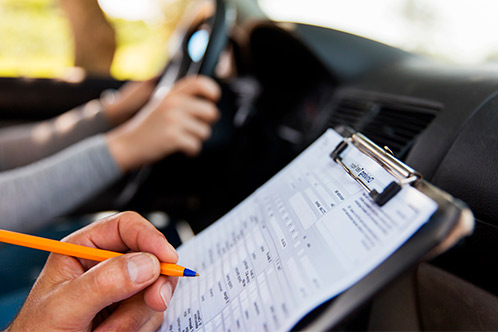
The Texas driving test consists of two main components: a written knowledge exam and a behind-the-wheel road test. For the written portion, you must correctly answer at least 70% of the questions about traffic laws and road signs. The driving test evaluates your practical skills, where you need to score at least 90% to pass. This means you may still succeed with one or two minor errors, provided they aren’t categorized as dangerous or illegal maneuvers.
It is important to know exactly how many mistakes are allowed on the Texas driving test and which actions result in immediate failurefor effective preparation. With test appointments often scheduled weeks or months in advance at DPS offices (or through Third Party Skills Testing locations), you’ll want to maximize your chances of passing on the first attempt. To do this, focus on the following key strategies:
Familiarizing yourself with Texas license requirements saves time and prevents delays in the application process
Understanding common mistakes helps you focus your practice on potentially problematic areas
Knowing automatic fail criteria ensures you avoid critical errors during your test
Proper preparation significantly increases your chances of first-time success
License Requirements in Texas
Before you can take your Texas driving test, you’ll need to meet several requirements based on your age and experience level. Understanding these prerequisites will help ensure a smooth process when you’re ready to get behind the wheel.
Ensure your vehicle is in optimal condition for the test day inspection
Check the back of your driving permit to confirm the eligibility date
How Many Mistakes Are Allowed on the Texas Driving Test?
The Texas driving test scoring system is a helpful tool for reducing anxiety and increasing your likelihood of success. Here’s what you need to know about the allowed mistakes and how you’re evaluated:
Scoring System: The Texas driving test uses a percentage-based scoring system. To pass, you must score at least 90% on your road test. This means you have a small margin for error, but perfection isn’t required.
Types of Minor Mistakes: Minor mistakes typically include small technical errors that don’t create unsafe conditions. These are weighted less heavily than critical errors.
Common Acceptable Errors: Some examples of minor mistakes that won’t automatically fail you include:
Slightly jerky or hesitant acceleration
Taking too long at a stop sign (being overly cautious)
Minor positioning errors when turning
Slight uncertainty when checking mirrors
Occasionally forgetting to exaggerate mirror checks
What Fails You on the Texas Driving Test: Major Mistakes to Avoid
While minor errors may be forgiven during your driving test, certain critical mistakes will result in an automatic failure. To avoid common pitfalls and focus on safe driving practices, clarify and understand these “dealbreakers” to help you pass the driving test..
Traffic Violations Resulting in Automatic Failure:
Failing to fasten your seatbelt before putting the car in motion
Making rolling or incomplete stops at stop signs
Exceeding the posted speed limit
Running red lights or failing to yield to pedestrians
Improper lane changes without signaling or checking blind spots
Following too closely behind other vehicles
Confusion at four-way stops that disrupts traffic flow
Vehicle Control and Safety Issues:
Lack of vehicle control requiring examiner intervention
Remember that examiners are looking for safe, confident driving habits that demonstrate your ability to handle real-world driving situations. By avoiding major mistakes and following proper driving procedures, you’ll be well on your way to passing your Texas driving test and earning your license.
Ace your driving test with the help of Driving Quest. At Driving Quest, we provide all the resources you need to succeed. Whether you’re a teen or an adult, our comprehensive courses cover everything from common test mistakes to essential driving skills. Prevent what might cause you to fail, ensuring you’re fully prepared on test day. Enroll in our state-approved online driver’s ed courses today and take the fast track to your Texas driver’s license. Start your journey with confidence!
More From Our Blog
Want to learn more about Driving Quest? Check out some of our FAQs and then contact us for more information.
Fall Semester Goal: Help Your Teen Get Their License Before Winter
Fall semester already comes with plenty of deadlines, from college applications and fee schedules to sign-up sheets and school activities. Add Texas teen driving to the calendar, too. Starting driver education in September or October can help your teen stay on track for a spring license, thanks to Texas’ required six-month learner-license period. It also… Read more »
Texas Driving Test in Spanish: Complete Study Guide for Success
If Spanish is the language you think in, there is no reason to study for your Texas driver’s license in English. Texas allows the driver’s license knowledge test to be taken in Spanish; the official driver handbook is available in Spanish, and state-approved driver education courses are also offered in Spanish, including Driving Quest’s Spanish… Read more »
Texas Region 1 Schools: Drivers Ed Options for Rio Grande Valley Teens
For families across the Rio Grande Valley, the weeks before school starts are the busiest of the year. Schedules, supply lists, and sports physicals all compete for attention. If you have a teen who’s eligible for a learner permit, this stretch of summer is also the best time to knock out Region 1 Driver’s Ed Texas… Read more »