Author: Editor

Back to School: Get Your Texas License Before Fall

A man loading a box into a car trunk, promoting the message: "Get Your Texas License Before Fall - Back to School."

There’s no better time to fast-track your Texas driver’s license now before the new school year. Having that plastic card in your wallet unlocks a new level of independence as you navigate your student life. Whether it’s getting to school, extracurriculars, or work, driving means you can take control of your daily schedule, making the busy school years much more manageable.

Why You Should Get Licensed Before the School Year Starts

Inside a car, a man and a young man sit in the driver's seat, highlighting the importance of getting a Texas license for back to school.

Securing your Texas driver’s license before fall sets you up for success on the road and in the classroom. Here’s why getting licensed early is a smart move:

  • Avoids the mid-semester DPS rush
    As the school year progresses, DPS offices become increasingly crowded with students trying to squeeze in appointments. Getting licensed before school starts means shorter wait times, quicker processing, and less time away from classes.
  • Gives time to practice driving skills
    Without the pressure of homework, exams, and extracurriculars, summer gives you the breathing room to focus on mastering your driving techniques. More practice leads to greater confidence and a higher chance of passing your driving test on the first try.
  • Leverages longer summer days for learning
    More daylight means more time to drive. Longer evenings are perfect for logging supervised driving hours, especially those required nighttime sessions for teen drivers.
  • Reduces academic stress by completing tasks early
    Once the semester starts, balancing schoolwork with driving appointments and tests becomes challenging. By handling the licensing process during summer, you can focus fully on academics once classes begin.
  • Increases daily flexibility for school, work, and activities
    A license means freedom. You’ll no longer need to rely on parents, carpools, or public transportation to get to school, jobs, or after-school events. This freedom allows you to take responsibility and manage your schedule and explore part-time work options.

Getting your license before fall isn’t just about checking a box. It’s about starting the school year with confidence, mobility, and peace of mind.

License Requirements for Texas Students: What You Need to Know

Before applying, understand the age-specific requirements set by the Texas DPS. This knowledge will help streamline your application and ensure you’re prepared.

Age-Based Education & Licensing Requirements

These quick reference below, outlines the required driver education and licensing steps for each age group in Texas:

Age Group Education Requirement License Steps
14–17 (Teens) 32-hour teen driver education course GDL: Learner License (15), Provisional (16), Full License (18)
18–24 (Young Adults) 6-hour adult driver education course Must pass written and driving tests
25+ Education not required (but recommended) Must pass written and driving tests

Required Documentation for All Applicants

A man and woman in the back seat of a car, highlighting the importance of obtaining a Texas license for back-to-school.

Before heading to the DPS, make sure you have these essential documents ready to verify your identity, residency, and legal presence in the U.S.:

  • Proof of Identity (birth certificate or passport)
  • Proof of Texas Residency (e.g., utility bill, school record)
  • Social Security Number
  • Legal presence in the U.S.

Teen-Specific Additions

If you’re a teen applicant, Texas has additional requirements designed to ensure you’re actively enrolled in school and have parental support:

  • Parental Consent
  • Verification of Enrollment (VOE) from school
  • Option for Parent-Taught Driver Ed Program

Step-by-Step: The Texas Driver’s License Process

Following this sequence can help you meet licensing requirements before fall classes begin.

Complete driver’s ed

  • Teens (14–17): 32-hour teen course
  • Adults (18–24): 6-hour adult course
  • Age 25+: Optional but recommended

Apply for learner’s permit or license

  • Gather documents (ID, SSN, proof of residency)
  • Schedule a DPS or TPST (Third Party Skills Testing) appointment

Pass the written exam

  • 30 questions, 70% to pass
  • Use flashcards and practice tests

Complete Impact Texas Drivers (ITD) Program

  • Teens: 2-hour Impact Texas Teen Drivers (ITTD)
  • Adults: 1-hour Impact Texas Adult Drivers (ITAD)

Practice driving (Teens only)

  • 44 hours total (10 at night)
  • Must be supervised by a licensed adult

Pass the driving test

  • Prepare for skills like parallel parking and lane changes
  • Bring all documents and a roadworthy car on test day

Smart Tips to Accelerate Your Licensing Process

A man and woman in a car, both smiling and giving thumbs up, encouraging Texas license acquisition before school starts.

Proper organization and strategy can make a huge difference. Avoid common mistakes and prepare like a pro during summer.

🔹 Pro Tips for Success

  • Organize documents in a dedicated folder (digital or physical)
  • Scan and store digital copies on your phone
  • Use active study strategies: flashcards, self-quizzing, teaching others
  • Follow a study plan: Spread prep over weeks, not days
  • Inspect your car early: Check lights, brakes, horn before your driving test

Common Mistakes and How to Avoid Them

Even well-prepared applicants can stumble. Use this table to identify common mistakes and learn how to avoid them for a smoother licensing experience:

Mistake Pro Tip to Avoid It
Forgetting documents Use an age-specific checklist before your appointment
Skipping the ITD Program Complete ITAD or ITTD before scheduling your test
Last-minute studying Start early and use active learning strategies
Test-day vehicle issues Inspect your car a week in advance

Your Final Push: Enroll with Driving Quest

Driving Quest makes it easy to fast-track your Texas license:

Contact Driving Quest today and start your journey toward driving independence before the school year kicks off.

Texas Traffic Ticket? How Defensive Driving Saves Money

Man being pulled over by traffic agent

Let’s be real: getting a traffic ticket in Texas isn’t just annoying, it’s expensive. A flashing light in your rearview mirror often leads to a citation, a fine, and sometimes a big ol’ dent in your driving record (and wallet). But here’s the silver lining: you can take control of the situation and even come out ahead. Welcome to the world of defensive driving courses, where you can wipe that ticket off your record, lower your insurance, and learn to be a better driver in the process.

So, what is defensive driving anyway?

Defensive driving isn’t about being timid behind the wheel, it’s about being smart. It’s the art of anticipating problems before they happen, keeping your cool in traffic, and reacting in a way that keeps you and everyone else safe.

In Texas, defensive driving courses are state-approved programs that cover all the good stuff: traffic laws, safe driving strategies, handling road rage, avoiding distractions, and even how weather affects driving conditions.

Caught speeding in San Antonio? Rolling a stop sign in Dallas? Here’s how a course can help

hand taking off the car window a drivers license

Texas law allows most drivers with a minor moving violation to take a defensive driving course to dismiss one ticket every 12 months. Here’s what that means for you:

  • No points on your license
  • No hike in your insurance premium
  • You avoid the long-term financial hit of a ticket

To qualify, your situation must check a few boxes:

  • You have a valid Texas driver’s license
  • You weren’t going 25+ MPH over the speed limit
  • Your ticket isn’t for serious stuff like passing a school bus, hit-and-run, or reckless driving
  • You haven’t dismissed a ticket with defensive driving in the last year

Sound like you? Perfect. Let’s talk about what’s next.

Common Texas Traffic Violations and What They Really Cost You

Texas roads can be chaotic, especially with everything from wide-open highways to bumper-to-bumper city traffic. It’s no wonder even good drivers sometimes get caught making mistakes. But what many people don’t realize is just how costly those “little” violations can be.

Here’s a quick peek at some common Texas traffic violations and their typical fines:

Violation Typical Fine (Approx.)
Speeding (under 25 mph over limit) $150–$200
Running a stop sign or red light $155
Failure to maintain a single lane $160
Expired registration or inspection $75-$100
No proof of insurance (but you’re covered) $315 (can be dismissed)
Passing a stopped school bus $1080
Reckless driving Upto $200 + jail

But the fine is just the beginning.

Each moving violation usually adds 2 points to your driving record and 3 points if it involves an accident. Rack up 6 points within 3 years, and the state slaps you with a surcharge of $100 per year, plus $25 for every additional point. And let’s not forget about insurance hikes. Just one violation can raise your premium by 25% or more, and that spike can stick around for 3–5 years.

That “cheap” $160 stop sign ticket could actually cost you over $1,000 when all’s said and done.

Defensive Driving: A Way To Dismiss Tickets

car stopped by police patrol on the highway

Here’s where defensive driving comes to the rescue.

When you’re eligible to take a state-approved defensive driving course, not only can you dismiss a qualifying ticket, you also prevent those points from ever hitting your record. That’s like pressing an “undo” button on your mistake.

Even better? You protect yourself from:

  • Insurance hikes (which often cost hundreds over time)
  • Annual state surcharges
  • License suspension risks due to point accumulation

For some violations, like “no proof of insurance” (when you actually were covered), courts often allow you to dismiss the ticket entirely with the right paperwork and a course.

And here’s the kicker: some insurance companies even offer a discount (usually 5–10%) on your premium just for voluntarily taking the course even if you didn’t get a ticket.

So yes, a $25 online course could end up saving you $500 to $1,000 or more. Not bad for an afternoon at your laptop in pajamas.

Bonus Round: Other Perks of Defensive Driving

Money aside, taking the course has more benefits than you might expect:

  • Refresher on rules: You’d be surprised how much you forget after years behind the wheel.
  • Improved driving habits: Defensive driving teaches techniques that reduce your risk of accidents.
  • Confidence boost: Driving’s a lot less stressful when you know you’re doing it right.

Online, On Your Time

Two men driving, one seems to be teaching the one behind the wheel

Here’s the best part: you don’t have to sit in a classroom all weekend. Texas lets you take your defensive driving course online, at your own pace. Whether you’re a night owl or a weekend warrior, you can knock it out when it suits you.

The process is super simple:

  • Get court approval to take the course
  • Choose a state-approved provider
  • Complete the course (usually around 6 hours total)
  • Get your certificate of completion
  • Submit the certificate to the court before your deadline

Some providers even offer video or audio options, quizzes to keep you engaged, and rush delivery if you’re cutting it close.

A ticket isn’t the end of the road

Sure, getting a ticket stinks—but in Texas, it doesn’t have to ruin your record or your budget. Defensive driving offers a practical, affordable way to take control, dismiss that ticket, and drive a little safer while you’re at it.

So next time you find yourself in a bit of a bind on I-35 or forget to use your blinker on the Loop, remember: a defensive driving course might just be the best detour you ever take.

Ready to ditch that ticket and save some cash?

Take control of your driving record with Driving Quest’s Texas-approved defensive driving course. It’s fast, affordable, available in Spanish, and 100% online: complete it on your schedule and keep those points off your license. Ticket dismissed, insurance savings unlocked, peace of mind restored.

Start your course now with Driving Quest. Contact us today to learn more.


7 Essential Summer Driving Tips for Texas Roads

Excited woman sitting in her car and showing new driver license, celebrating driving school finish, passed exam, bought car, sitting inside of vehicle

Texas summers aren’t just hot, they’re extreme. With temperatures regularly soaring past 100°F, drivers face a dangerous mix of blistering asphalt, heat-related vehicle stress, vacation traffic, and sudden thunderstorms. These conditions create a perfect storm for accidents, especially when combined with common driving distractions and fatigue. Many of these accidents are preventable with defensive driving strategies.

Defensive driving means anticipating other drivers’ mistakes, maintaining a safe speed, keeping an appropriate distance from other vehicles, and staying alert for possible risks. By adopting these preventative driving habits, you can significantly reduce your risk of becoming involved in a summer collision.

This guide provides seven practical strategies for safely navigating Texas roads during the summer months. Whether you’re planning a family vacation, commuting to work, or running errands in the heat, these defensive driving techniques will help protect you, your passengers, and others sharing the road.

1. Stay Alert and Avoid Distractions

Distractions are a top cause of crashes, particularly during summer travel when drivers are often unfamiliar with routes and are accompanied by restless passengers.

  • 1 in 5 crashes involves driver distraction
  • Texas law bans texting while driving, and many cities prohibit all handheld phone use.
  • Depending on the offense and city ordinance, fines range from $25 to $200.

Common Distractions to Avoid:

Risk Level Examples
High Texting, using GPS while driving
Medium Eating, adjusting the radio
Low Talking to passengers, daydreaming

Defensive Actions:

  • Set your route before driving.
  • Use voice commands or hands-free devices.
  • Take a break every 2 hours on long trips.
  • Scan 12–15 seconds ahead to anticipate hazards.

Distraction behind the wheel becomes especially risky when combined with heavy vacation traffic and unfamiliar routes. Remember that summer driving often means sharing the road with more tourists unfamiliar with local traffic patterns, staying alert isn’t just about your safety, it’s about protecting everyone on Texas roads.

Driving Tip: Stay alert: Stay alive!

2. Maintain a Safe Following Distance

Young guy driving his car. He looks to the road smiling.In Texas, during summer traffic, maintaining a proper following distance is your defense against accidents. This buffer zone becomes even more essential with sudden afternoon thunderstorms and shimmering heat haze affecting visibility. About 29% of annual traffic accidents are rear-end collisions, many preventable with proper spacing. Follow these guidelines to avoid rear-end collisions:

Use the “3-second rule”:

  • Choose a landmark.
  • When the car ahead passes it, count “one-Mississippi, two-Mississippi, three-Mississippi.”
  • If you pass it before finishing, increase your following distance.

Increase to 5-6 seconds:

During rain, fog, or reduced visibility

On high-speed roads or when towing

Conditions Recommended Following Distance
Dry and clear 3 seconds
Rain or poor weather 5–6 seconds
Night or heavy traffic 4–6 seconds

Driving Tip: Always expect the unexpected from other drivers, especially tourists unfamiliar with Texas roadways.

3. Adjust Speed to Summer Road Conditions

Male hand using a car automatic gear / Driving automobile with automatic gears conceptSummer driving isn’t just about how fast you can go. it’s about knowing when to slow down. Adjusting your speed to traffic, roadworks, and weather conditions, not just posted limits, is a necessary precaution. Texas summer brings increased roadwork, vacation traffic, and unpredictable weather patterns. When visibility decreases or roads are wet from sudden storms, reduce speed accordingly. For heavily congested areas or construction zones (abundant in summer), slow down well in advance.

Consider the following summer hazards:

  • Sudden thunderstorms can make roads slick in seconds.
  • Highway construction zones are more common during summer and have reduced speed limits.
  • Heat haze can distort visibility.

Key Guidelines:

  • Never exceed the posted limit in work zones, fines double in many areas.
  • Reduce speed before curves or dips that can hide obstacles or standing water.
  • Watch for slower-moving RVs, boats, or trailers in vacation traffic.

Adjusting your speed to road and weather conditions is a cornerstone of defensive driving.

Driving Tip: Slow down: Arrive safely.

4. Prepare Your Vehicle for the Heat

A well-maintained vehicle is your first line of defense against summer driving hazards. Texas heat puts enormous stress on vehicles, and a quick summer check-up can prevent costly and dangerous breakdowns.

Summer Vehicle Checklist:

Tire blowouts increase during summer due to expanded rubber and underinflation.

Driving Tip: Check your vehicle before heading off.


Component What to Check
Tires Pressure and tread depth (check monthly)
Battery Heat can shorten lifespan
Cooling System Coolant levels and radiator function
Wipers/Washer Replace blades, top off washer fluid
AC System Ensure efficient cooling
Brakes Responsive, no grinding sounds


5. Buckle up and Stay Hydrated

woman using safe belt inside a car. Getting ready for a driving test

Your personal preparation matters too. Always buckle up; seat belts reduce the risk of death by 45% and serious injury by 50%. Stay hydrated with plenty of water during summer travel to prevent heat-related fatigue that can impair your driving ability. Driver fatigue and heat exhaustion are real threats in extreme heat. Dehydration reduces alertness and reaction time.

Prevent Heat-Related Driving Impairment:

  • Drink water before and during your drive.
  • Avoid caffeine before long trips as it dehydrates.
  • Wear breathable clothing and sunglasses to reduce glare.
  • Plan morning or evening trips to avoid midday heat.

Remember to never leave children, pets, or elderly passengers in a parked vehicle, even for a minute. In Texas heat, car interiors can exceed 140°F in under 10 minutes.

Driving Tip: Click, Sip, Go!

6. Navigate Work Zones with Caution

Texas summer is construction season. Work zones are high-risk areas with abrupt lane changes, slow-moving equipment, and uneven pavement.

Defensive Driving in Work Zones:

  • Obey flaggers and posted signs.
  • Avoid sudden braking or lane changes.
  • Expect reduced speed limits and enforcement cameras.
  • Watch for workers, especially near traffic lanes.

Work zone crashes killed over 200 people in Texas in 2023 alone.

Driving Tip: Eyes on the road: Watch for flags and cones.

7. Watch for Pedestrians and Cyclists

More people are outdoors in summer, walking, running, biking, or sightseeing.

Stay Alert in Areas with High Foot Traffic:

  • Downtowns and beaches
  • College towns and tourist areas
  • Residential neighborhoods

Driver Reminders:

Always yield at crosswalks.

  • Give cyclists 3 feet of clearance (required by Texas law).
  • Check blind spots before turning or opening car doors.
  • Slow down when approaching intersections or parks.
  • Signal your intentions well.

Texas sees more than 600 pedestrian fatalities annually, many of them preventable with cautious driving.

Driving Tip: Share the road: Waych for walkers and bikers.

Avoid risks: Take a Defensive Driving Course

Brush up on your driving skills and take a certified online defensive driving course that can help you:

  • Learn safe driving strategies
  • Dismiss a ticket
  • Lower your insurance rates
  • Refresh your knowledge of Texas laws
  • Keep you and other road users safe

Driving Quest offers self-paced, mobile-friendly courses approved by the state of Texas. Available in English and Spanish, they’re a convenient way to become a safer, smarter driver.

Take charge of your safety. Enroll in a Driving Quest Defensive Driving course today and enjoy a smoother, smarter ride this summer.

Beat the Heat: Summer Permit Test Prep Guide 2025

Attractive young Asian woman in casual wear gesturing thumbs up while driving a car

Summer’s long, sunny days are the perfect opportunity to get ahead on your Texas permit test prep. With fewer school commitments and more free time, you can spread out your study sessions, absorb road rules at a comfortable pace, and practice under real-world conditions, like spotting signs on family drives or quizzing friends poolside. By using these months wisely, you’ll build strong, lasting knowledge without the stress of last-minute cramming, setting yourself up to breeze through the exam and enjoy your first taste of freedom behind the wheel. Get yourself ready from day one for this exam that will last you a lifetime!

Create a smart, distributed study schedule

Different driving signs.

To truly retain what you’re learning, now’s the time to plan your study strategy and avoid the stress of last-minute cramming. Prepare a designated place and time for your DPS Study Time.

Adequate test preparation isn’t about last-minute cramming. It’s about consistent, spaced practice. Research indicates that shorter, more frequent study sessions are more effective in transferring information into long-term memory than marathon sessions.

  • Plan: 30–45-minute sessions, 3–4 days per week, for at least 4 weeks before your test.
  • Why it works: Spacing out study helps move information into long term memory.
  • Progress log: Note your session dates, topics covered, and practice test results.

Use active learning techniques

Make your study time count by engaging your brain with multiple forms of interaction.

Passive reading alone won’t cement critical driving concepts in your mind. Active learning strategies, such as flashcards, self-quizzing, and teaching others, engage multiple cognitive pathways, making it easier to recall road signs, right-of-way rules, and safe-driving practices when it counts.

  • Flashcards for road signs, especially the tricky ones
  • Self-quizzing: Close your book and write or say aloud everything you remember
  • Teach someone else: Explaining right-of-way or speed limit rules uncovers gaps
  • Real-world practice: Observe signs during car rides; mentally quiz yourself on their meaning

Then, get to the material. There are online tests, books to get, and mobile apps.

What should you start with?

Build your foundation with official DPS practice tests

woman taking driving test

Before diving into full courses or supplemental study methods, it’s important to understand what the Texas permit test looks like. The official DPS practice exams are a great way to get familiar with the format and identify areas to improve. These are available in the Driver’s Handbook to complete interactive tests.

  • Find free, up-to-date practice exams in the Handbook of 30 multiple-choice questions covering:
  • Road rules
  • Road signs
  • Safe driving practices

Tip: Take one full DPS practice test first to establish your baseline score.

Leverage Driving Quest’s Texas-approved courses

Once you’ve tried a few practice tests, it’s time to consider a complete online course to meet Texas requirements and prepare more thoroughly.

Driving Quest makes every step of your Texas learner’s permit journey available online, from official DPS exams to realistic practice, updated quizzes, and the state-required Impact courses. Whether you’re a teen, an adult, or guiding your child through a parent-taught program, you’ll find all the necessary assessments by clicking on this link, registering, and signing in. On the website, find practice tests online and access additional resources.

Choosing the right online driver education course can make all the difference in both your enjoyment and mastery of the material. Driving Quest offers TDLR-approved options tailored to teens, adults, and parent-taught students, complete with interactive videos, quizzes, and the mandatory ITTD/ITAD modules, ensuring you meet all state requirements from study to certificate.

Compare Driving Quest’s options at a glance:

Course Type Age Range Price Includes Course No.
Parent Taught Drivers Ed Any (parent) $140 DPS written exam, electronic certificate #C2603
Teen Driver’s Ed (with instructor) 14–17 $140 DPS written exam, electronic certificate #C2603
Adult Driver’s Ed 18+ $75 DPS written exam, electronic certificate #C2603

Interactive benefits:

  • Video lessons and simulations
  • Instant feedback on quizzes
  • Progress tracking that adapts to your strengths and weaknesses
  • Fast certificate delivery: Some providers issue your printable certificate within hours of passing

Consult supplemental material

man doing a driving test online.

With your official course underway, you can reinforce your knowledge with third-party tools designed to challenge your memory and comprehension.

While official DPS tests cover the essentials, third-party practice exams can deepen your understanding by offering additional scenarios and detailed explanations. These tools are great for extra review and identifying gaps in your knowledge.

Extra questions & explanations help reinforce:

  • Traffic signal meanings
  • Right-of-way rules
  • Speed limit regulations

Suggested sources:

Track your progress: Log your scores; focus on questions you miss most often.

Fine-tune before test day

You’ve done the work; now it’s time to polish your knowledge and go in feeling confident.

As test day approaches, your focus should shift from learning new rules to reinforcing what you already know. A targeted review of challenging topics and one final practice exam from the DMV Handbook can help solidify your knowledge and boost your confidence.

  • Last-minute review: Focus on problem areas (e.g., right of way, unusual signs)
  • Final practice test: Take one DPS practice exam the evening before
  • Avoid cramming: New information presented at the last minute often fuels anxiety more than it fosters knowledge

Use test day tips to beat the butterflies

Woman and instructor inside a car, doing a driving test.

Even with solid prep, nerves can creep in, but you’ve got this. Here is how to stay cool under pressure.

Even the best preparation can’t eliminate nerves, but you can manage anxiety with proven techniques. Simple practices like controlled breathing, positive self-talk, and proper rest and nutrition will keep your mind sharp and calm, allowing you to demonstrate your knowledge effectively on the big day.

Anxiety busters:

  • Deep, controlled breathing
  • Positive self-talk (“I’ve prepared; I can do this.”)

Physical readiness:

  • 7–8 hours of sleep the night before
  • Balanced meal, moderate caffeine only
  • Arrive early: Give yourself 15–20 extra minutes to check in calmly

With this structured approach, starting with official DPS tests, strengthening with Mastering the Texas DPS Written Test, and leveraging Driving Quest’s interactive courses, you’ll be perfectly positioned to ace your Texas permit test and hit the road with confidence. Reach out to DrivingQuest to move toward success from the start!

Take advantage of this summer and complete the Texas Defensive Driving Course!

Mastering the Texas DPS Written Test: 12 Key Questions Explained

test: Mastering the Texas DPS Written Test: 12 Key Questions Explained for Ultimate Test Preparation

The Texas DPS written test is a crucial milestone on your journey to obtaining a driver’s license in the Lone Star State. This knowledge assessment ensures that new drivers understand the rules of the road before they take the wheel independently

The Texas DPS Written Test

black man doing test with headphone at laptop

The exam consists of two 30-minute sections with 30 multiple-choice questions divided into two distinct sections:

  • The Highway Signs Examination (15 questions)
  • The Traffic Laws Examination (15 questions).

You’ll have approximately 30 minutes per section to demonstrate your knowledge of road rules, traffic signals, safe driving practices, and legal requirements.

To pass, you must correctly answer at least 21 questions and achieve a minimum 70% score. The state allows up to three attempts before requiring you to repurchase the exam, making proper test preparation essential.

Understanding these common test questions isn’t just about passing an exam. It’s about becoming a safe, responsible driver who can confidently navigate Texas roads.

Let’s explore the 12 most frequently asked questions to help you ace your test on the first try.

🎓 12 Most Common Texas DPS Test Questions Explained

The Texas DPS written test evaluates your knowledge of road rules, signs, and safe driving practices. To help you prepare effectively, we’ve compiled the 12 most asked questions on the test.

Understanding these fundamental concepts will significantly increase your chances of passing the first attempt. These are divided into different categories found in the Texas Driver’s Manual.

Find the questions with discussions below:
See whether you can answer them before looking at the answers.

scholar bus

1. What does a flashing red traffic light mean?

Answer: Treat it like a stop sign.
Explanation: Come to a complete stop, check for traffic and pedestrians, and proceed when it’s safe.

2. When should you yield the right-of-way?

Answer: When entering from a driveway, alley, or if someone else stops before you at a 4-way stop.
Explanation: Yielding prevents collisions and confusion—always give way to vehicles already on the road.

3. What does a solid yellow line on your side of the road mean?

Answer: No passing allowed.
Explanation: A solid yellow line means it’s unsafe to pass because of oncoming traffic or visibility issues.

4. What should you do when approaching a school bus with flashing red lights?

Answer: Stop from either direction.
Explanation: Remain stopped until the bus moves or the lights stop flashing—unless you’re on a divided highway with a median.

5. What is the legal BAC limit for drivers over 21 in Texas?

Answer: 0.08%
Explanation: Anything higher is considered legally intoxicated, though lower levels can still lead to a DUI if you’re impaired.

6. When are you required to use your headlights?

Answer: From 30 minutes after sunset to 30 minutes before sunrise, or when visibility is under 1,000 feet.
Explanation: Headlights ensure other drivers can see you, especially in darkness or bad weather.

7. What does a broken white line mean?

Answer: Lane changes allowed.
Explanation: You may switch lanes carefully, as traffic is moving in the same direction.

8. What is the penalty for not wearing a seatbelt in Texas?

Answer: Fines up to $200 (more for minors).
Explanation: All occupants must be buckled up, no matter where they’re sitting.

9. What does a diamond-shaped traffic sign indicate?

water intake

Answer: Warning sign.
Explanation: Be alert—these signs warn you of upcoming road hazards like curves or construction.

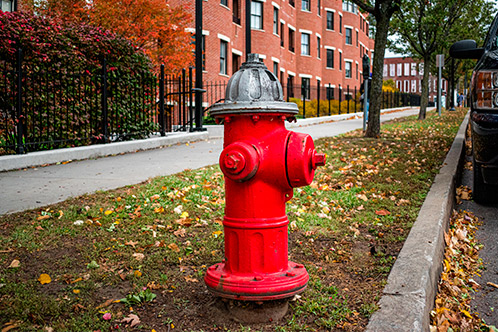
10. How far should you park from a fire hydrant?

Answer: At least 15 feet.
Explanation: Blocking a hydrant can delay firefighters in emergencies—and get you fined or towed.

11. When should you signal before turning?

Answer: At least 100 feet before the turn.
Explanation: Always signal early to give others time to react to your move.

12. What should you do if your vehicle starts to skid?

Answer: Steer in the direction you want the front of the car to go.
Explanation: Ease off the gas and steer gently—don’t slam the brakes or overcorrect.

These 12 questions aren’t typical; they’re essential to being a competent, safe driver. Practice regularly, understand the rules’ reasoning, and read the Texas Driver Handbook.

Traffic Signals and Signs

These questions test your understanding of how to respond to various traffic controls:

Flashing Red Light: Treat it like a stop sign: come to a complete stop, check for traffic, and proceed when safe.

  • Solid Yellow Line: No passing allowed: this line indicates it’s unsafe to pass due to oncoming traffic or poor visibility.
  • Broken White Line: Lane changes are permitted. You may switch lanes carefully when traffic is moving in the same direction.
  • Diamond-Shaped Signs: Warning signs – these alert you to upcoming road hazards like curves or construction.

Right-of-Way Rules

Knowing when to yield is crucial for preventing accidents:

  • Yielding Right-of-Way: Required when entering from a driveway, alley, or private road, or when another driver arrives first at a 4-way stop.
  • School Bus with Flashing Red Lights: Stop from either direction until the bus moves or lights stop flashing (unless on a divided highway with a median).

Safety Regulations

These questions focus on legal requirements and safety procedures:

  • Legal BAC Limit: 0.08% for drivers over 21 – anything higher is considered legally intoxicated.
  • Headlight Use is required from 30 minutes after sunset to 30 minutes before sunrise or when visibility is under 1,000 feet.
  • Seatbelt Penalties: Fines up to $200 (more for minors) – all occupants must be buckled regardless of seating position.
  • Fire Hydrant Parking: Must park at least 15 feet away to avoid blocking emergency access.
  • Signaling Before Turning: Required at least 100 feet before turning to give other drivers time to react.
  • Vehicle Skidding: Steer in the direction you want the front of the car to go, ease off the gas, and avoid slamming the brakes.

Best Test Preparation Strategies

Happy young man with driver license at car

With the right preparation strategy, you can confidently tackle the Texas DPS written test on your first attempt. Here’s how to set yourself up for success:

Create a Study Timeline

Develop a structured study plan at least two weeks before your test date. Break down the Texas Driver Handbook into manageable sections, focusing on a different category from the Texas DMV Driver’s Handbook daily. This approach prevents last-minute cramming and allows for better information retention.

Leverage Practice Tests

Practice tests are invaluable for Texas DPS written test prep, helping you become familiar with the question format and building confidence. Studies show that students who take multiple practice exams have significantly higher pass rates—up to 98% in some courses.

Focus on Key Concepts

  • Road signs and their meanings
  • Right-of-way rules at different intersections
  • Speed limits in various zones (school, residential, highway)
  • Safe following distances and braking procedures
  • Penalties for driving under the influence

Understanding the reasoning behind rules rather than simply memorizing them will help you apply knowledge to various test scenarios.

Avoid Common Mistakes

Many test-takers struggle with questions about right-of-way, traffic signals, and parking regulations. Create flashcards for these topics and review them regularly. Additionally, don’t rush through questions—many errors occur simply because instructions weren’t read carefully.

Additional Resources and Practice Tests

Supplementing your study with quality resources can significantly boost your chances of passing the Texas DPS written test on your first attempt.

  • The Texas Driver Handbook is the foundation of all test questions and should be your primary study tool.
  • Quizziz.com offers numerous free resources and tests for driver’s education. You can do these in your own time and at your own level, and repeat to reinforce.

Practice tests are invaluable for test preparation, offering several benefits:

  • Familiarizing yourself with actual question formats and the testing interface
  • Identifying knowledge gaps that require additional study
  • Building confidence through repeated success
  • Reducing test anxiety through familiarity

For the most effective preparation, consider these trusted resources:

  • The official Texas DPS website offers sample questions and testing information
    The Texas Driver’s Handbook contains the terminology to know under Appendix A and practice questions under Appendix C.
  • DrivingQuest’s practice tests, which contribute to their impressive 98% passing rate
  • Free mobile apps that provide question banks similar to the actual test

When using practice tests, simulate actual test conditions by timing yourself (30 minutes per section) and aiming for that critical 70% passing threshold. Track your progress across multiple practice sessions, focusing additional study time on consistently challenging areas.

Remember, the more you practice, the better your chances of success. Many drivers who failed their first attempt didn’t utilize enough practice tests beforehand. Make this investment in your preparation, and you’ll approach test day with confidence and readiness.

If you are ready to conquer the Texas DPS written test and earn your driver’s license, at Driving Quest, we provide the resources and expert guidance you need to succeed. Our comprehensive courses are designed to prepare you for every aspect of the test, from understanding traffic laws to mastering road signs. With our state-approved online courses in English and Spanish, you can study at your own pace and convenience. Don’t leave your success to chance—enroll today and take the first step towards driving independence. Visit Driving Quest to get started!

The Ultimate 2025 Guide to Getting Your Texas Driver’s License

Driving school. Beautiful young woman successfully passed driving school test. She looking sitting in car, looking at camera and holding driving license in hand. Girl with driving license

If you’re reading this, chances are you’re about to embark on an exciting journey—getting your Texas driver’s license! Whether you’re a teen eager to hit the road, an adult finally taking the plunge, or a newcomer to Texas navigating the process, we’ve got you covered.

Yes, the process can seem overwhelming at first—paperwork, tests, courses—but don’t worry! We’ll break it all down, step by step, so that you can breeze through it. And if you want to make it even easier? Check out Driving Quest’s state-approved adult driver’s ed course, available 24/7 and in Spanish!

Who Needs a Texas Driver’s License?

A Texas driver’s license is a must-have if you plan on hitting the road legally in the Lone Star State. Whether you’re a long-time resident or new to Texas, here’s who needs one:

  • Texas residents: If you live in Texas and plan to drive on public roads, a valid Texas driver’s license is required.
  • New Texas residents: Recently moved from another state? You have 90 days to transfer your out-of-state license to a Texas one.
  • Immigrants and international visitors: If you’re staying in Texas for an extended period and want to drive, you’ll need a Texas license (or an international permit if applicable).
  • Expired license holders: If your Texas driver’s license has expired, you’ll need to renew it to continue driving legally.
  • First-time drivers: If you’ve never held a driver’s license before, you must go through the licensing process to obtain one.

Now, let’s talk about the step-by-step process based on your age and situation.

Steps to Get Texas Driver’s License

Step Requirement Details
1 Meet eligibility requirements Ensure you meet Texas residency, age, and documentation requirements.
2 Choose license type Learner’s Permit, Provisional License, Full License, CDL, or Motorcycle License.
3 Complete driver education Teens: 32-hour course; Adults (18-24): 6-hour course. Required for all under 25.
4 Apply for a Learner’s Permit Submit documents, pass the vision & written test, and pay the fee.
5 Practice driving and take itd course Teens: 44 hours of practice; ITD course required for all new drivers.
6 Pass the driving test Schedule an appointment, bring required documents, and pass the road test.
7 Get your license If you pass, you receive a temporary license until the official one arrives by mail.

Step 1: Meet the Eligibility Requirements

driving test. instructor checking

Before you start, make sure you’re eligible! Texas has different rules depending on your age:

And, of course, everyone must:

  • Prove identity (birth certificate, passport, etc.)
  • Show Texas residency (utility bill, lease agreement, etc.)
  • Provide a Social Security number (or proof of ineligibility)

Step 2: Choose Your License Type

Before applying, it’s important to understand the different types of driver’s licenses available in Texas. Each type is designed to accommodate drivers at various levels of experience and age groups:

  • Learner’s permit (15+ years old): This permit allows beginners to start driving under supervision. You must always be accompanied by a licensed adult (21+ years old) in the front passenger seat. This is typically the first step for teens but can also be an option for adults who want extra practice before taking the driving test.
  • Provisional license (16-17 years old): After holding a learner’s permit for at least six months and passing the road test, teens can upgrade to a provisional license. This stage provides more driving independence but comes with restrictions such as a curfew (no driving between midnight and 5 AM) and passenger limitations (no more than one non-family passenger under 21).
  • Full unrestricted license (18+): This is the standard driver’s license for adults 18 and older. Once you meet all the requirements, including passing the driving test, you will receive an unrestricted Class C license, allowing you to drive at any time without supervision.
  • Commercial driver’s license (CDL): If you plan to drive large trucks, buses, or other commercial vehicles, you’ll need to apply for a CDL. This requires additional training, testing, and endorsements depending on the type of vehicle you intend to operate.
  • Motorcycle license: If you want to ride a motorcycle, you must obtain a motorcycle endorsement (Class M) by completing a state-approved motorcycle safety course and passing a motorcycle-specific written and road test.

Choosing the right license type ensures that you meet all the necessary requirements for your driving experience level. If you’re an adult new to driving, taking a structured course like Driving Quest’s adult driver’s ed can help you build confidence and prepare for your test more effectively.

Step 3: Complete Required Driver Education (for Teens & Adults 18-24)

Teen holding car key and happy for getting her driving license approval

If you’re under 25, you MUST complete a state-approved driver’s education course before applying for a license. Texas law mandates this training to ensure new drivers understand road rules, traffic laws, and safe driving techniques.

Requirements for Teens (15-17)

Teens must complete a 32-hour driver’s education course, which includes:

  • 32 hours of classroom instruction covering road signs, traffic laws, and defensive driving techniques.
  • 7 hours of behind-the-wheel instruction with a certified driving instructor.
  • 7 hours of in-car observation where the student watches another driver’s lesson.
  • 30 additional hours of supervised driving practice, including 10 hours at night.

After completing the course, teens will receive a Driver’s Education Certificate (DE-964), which is required to apply for a learner’s permit.

Requirements for Adults (18-24)

Adults between 18 and 24 must complete a 6-hour adult driver education course, which can be taken online or in a classroom. This course covers:

  • Texas traffic laws and road signs.
  • Safe driving habits and defensive driving techniques.
  • The risks of driving under the influence and distracted driving.

After finishing the course, adults will receive a Driver Education Completion Certificate, which they must bring to the DPS when applying for their license.

Looking for an easy and convenient way to complete your course? Driving Quest’s state-approved, 100% online driver’s ed program is available 24/7 and in Spanish! Here is how you can even complete it in one weekend!

Step 4: Apply for a Learner’s Permit (If Needed)

For teens or adults with no prior driving experience:

  • Gather required documents (proof of identity, residency, Social Security number).
  • Visit the DPS office and complete the application form.
  • Pass a vision test.
  • Take the written knowledge test (or provide proof you passed it in driver’s ed).
  • Pay the required fee ($15-$20 for teens, $33 for adults).

Once you pass, you’ll get your learner’s permit, allowing you to practice driving under supervision.

Step 5: Practice Driving and Take the Impact Texas Drivers Program

man getting out of car on a driving test

Before taking your driving test, Texas requires you to complete the Impact Texas Drivers (ITD) program, a safety course designed to educate new drivers about the dangers of distracted driving and safe driving habits.

Impact Texas Drivers Program Requirements:

  • Teens (under 18): Must take the Impact Texas Teen Drivers (ITTD) course, a 2-hour video-based online course.
  • Adults (18-24): Must take the Impact Texas Adult Drivers (ITAD) course, a 1-hour video-based online course.

Both courses are free and must be completed within 90 days before your driving test.

Driving Practice Requirements for Teens

Teens must complete 44 hours of supervised driving practice, including

  • 30 hours of daytime driving
  • 10 hours of nighttime driving
  • 4 hours of guided observation

A licensed adult (21+ years old) must supervise the practice sessions. Keeping a log of driving hours is required, as the DPS may ask for proof before scheduling your test.

Driving Practice Tips for Success

  • Start in low-traffic areas: Practice in parking lots or quiet neighborhoods before progressing to busy streets.
  • Gradually increase challenges: As confidence builds, practice in different conditions, including highways and night driving.
  • Master parallel parking and defensive driving: These are key skills tested on the driving exam.

By completing the ITD program and putting in sufficient driving practice, you’ll be well-prepared for your road test. Looking for extra help? Driving Quest’s driver education courses provide additional guidance and training to ensure you pass with confidence!

Step 6: Schedule and Pass the Driving Test

Once you feel confident behind the wheel, it’s time for the road test!

  1. Schedule an appointment at a DPS office or an approved third-party driving school.
  2. Bring the required documents, including your ITD certificate and proof of insurance.
  3. Take your driving test (you’ll be graded on parking, lane changes, turns, and general road safety).
  4. If you pass—congratulations! You’ll get a temporary paper license until your official one arrives in the mail.

Pro tip: Not confident in your driving skills? A refresher course can help! Enroll in Driving Quest’s adult driver ed course to boost your confidence and skills.

Step 7: Understand License Renewal and Replacement

Your Texas driver’s license is typically valid for up to eight years, and you can renew it online if you meet the eligibility requirements.

Lost your license? You can request a replacement online or in person at the DPS.

Special Considerations for New Residents & Immigrants

Moving to Texas from another state?

  • You have 90 days to transfer your out-of-state license.
  • No written or driving test required if your license is valid.

Immigrants and Non-Citizens

  • Must provide proof of lawful presence (visa, green card, etc.).
  • Some foreign licenses are valid for a limited period—check with DPS for specifics.

Drive Safe with Driving Quest

Getting your Texas driver’s license in 2025 doesn’t have to be complicated. Follow the steps, stay organized, and—if you want to make it easier—enroll in Driving Quest’s online course.

With state-approved courses in Spanish and available 24/7, you’ll be ready to pass your test and hit the road with confidence! Contact us today to learn more. 

15 Essential Terms Every Texas Driver Must Know

Driving test. 15 Essential Terms Driving test. Every Texas Driver Must Know cover image

Driving in Texas isn’t just about knowing how to operate a vehicle—it’s about understanding the language of the road. With its vast highways, bustling cities, and unique traffic laws, the Lone Star State presents challenges that require every driver to be well-versed in key automotive and traffic terms.

Whether you’re a new driver, a long-time resident, or someone planning a Texas road trip, knowing these terms can make your driving experience safer, smoother, and more enjoyable. From traffic regulations to vehicle maintenance and Texan driving slang, here are 15 essential terms that every driver in Texas should know.

Essential Texas Driving Terms Overview


Term

Definition
Right of Way Determines who proceeds first at intersections, merges, and crosswalks.
Yield Allowing other vehicles to go before you.
Texas Two-Step (Lane Changing Rule) Requires drivers to use turn signals for at least two seconds before changing lanes.
Access Road Roads running parallel to highways for local traffic access.
Acceleration and Deceleration Lanes Lanes that help vehicles safely merge onto or exit highways.
Texas U-Turn A designated turnaround lane under a freeway overpass.
Express Lanes Toll-based lanes designed to reduce congestion.
HOV Lanes Lanes reserved for vehicles with multiple passengers.
Move Over Law Requires drivers to slow down or change lanes for stopped emergency vehicles.
Turnaround Time Texan slang for quickly changing direction via access roads or U-turns.
Brake Check Tapping brakes to warn a tailgating driver.
Hydroplaning Loss of tire traction on wet roads.
Defensive Driving Anticipating hazards and driving proactively.
Road Rage Aggressive behavior by frustrated drivers.
Tire Blowout Sudden tire failure, often due to high heat.

1. Right of Way

In Texas, understanding who has the right of way is crucial for preventing accidents and ensuring smooth traffic flow. The right of way determines who proceeds first at intersections, merges, and crosswalks. For example, at an unmarked intersection, the vehicle on the right typically has the right of way. Pedestrians in crosswalks also have priority, and drivers must yield to them even if they are not at a designated pedestrian crossing.

Also, emergency vehicles always have the right of way when their sirens and lights are activated, meaning all other vehicles must pull over and stop to allow them to pass. When approaching a four-way stop, the first vehicle to arrive at the intersection has the right of way, but if two vehicles arrive simultaneously, the one on the right should proceed first.

2. Yield

Different driving signs.

Yielding means allowing other vehicles to go before you. You’ll often see triangular yield signs at intersections or highway entrance ramps, instructing drivers to slow down and let traffic flow before merging.

Yielding is particularly crucial in Texas, where high-speed highway entrances and busy urban streets require smooth traffic integration.

At yield signs, drivers must be prepared to stop if necessary but can proceed if the road is clear. Yielding also applies to pedestrians, emergency vehicles, and when re-entering traffic from a parking lot or side street.

3. Lane Changing Rule

A unique Texas regulation, the “Texas Two-Step” requires drivers to use their turn signal at least 100ft before before changing lanes. This ensures that other drivers have ample time to react, reducing accidents on highways and urban roads.

Drivers should check their mirrors and blind spots before making a lane change. Failing to follow this rule can result in traffic violations and fines, as sudden lane changes without signaling are a common cause of collisions.

4. Access Road

In Texas, highways often have access roads (also called frontage roads) running parallel to the main highway. These allow local traffic to reach businesses, intersections, and on-ramps without directly entering the highway.

Access roads help reduce congestion on highways by providing an alternative route for short-distance travel.

Unlike in many other states, Texas features an extensive network of access roads alongside major highways, making it easier for drivers to enter and exit without sudden merges. These roads are especially useful in commercial areas where businesses line the highway, as they provide a safer way to access shops, gas stations, and restaurants.

5. Acceleration and Deceleration Lanes

On Texas highways, acceleration lanes help merging vehicles reach highway speeds safely, while deceleration lanes allow exiting vehicles to slow down without disrupting traffic. These lanes are essential for maintaining the flow of traffic, especially on busy interstates such as I-35 and I-10.

Acceleration lanes give drivers space to match the speed of highway traffic before merging, reducing sudden slowdowns and minimizing collisions. Drivers should use these lanes to gradually increase speed rather than stopping before merging, which can be dangerous.

Deceleration lanes, on the other hand, provide a safe area for drivers to slow down before reaching an exit ramp or intersection. Using these lanes properly can prevent abrupt stops on highways, reducing the risk of rear-end collisions and traffic congestion.

6. Texas U-Turn

Common in urban areas, the Texas U-turn is a designated turnaround lane under a freeway overpass that allows drivers to reverse direction without stopping at a traffic light.

This unique feature is particularly beneficial for improving traffic flow by reducing congestion at intersections.

Texas U-turns are usually found on highway access roads. They allow vehicles traveling in one direction to loop under a bridge and join the opposite access road without encountering a stop sign or traffic signal. These lanes are especially useful for drivers who miss their turn or need to change direction efficiently without waiting at an intersection.

7. Express Lanes

Some highways in major Texas cities have express lanes, which are separate from general traffic lanes and often require a toll. These lanes help reduce congestion for drivers willing to pay for a quicker commute.

Express lanes are typically monitored using electronic tolling systems, meaning drivers must have a valid toll tag or pay fees online.

Express lanes can vary in pricing depending on the time of day and traffic levels, a concept known as dynamic tolling. During peak hours, toll rates may be higher to encourage better traffic flow and prioritize those willing to pay for faster travel.

8. HOV Lanes (High Occupancy Vehicle Lanes)

HOV lanes are reserved for vehicles with two or more passengers, motorcycles, and some electric vehicles. These lanes encourage carpooling and help reduce traffic congestion.

HOV lanes are often located on major highways and are marked with diamond symbols. Some HOV lanes in Texas operate only during peak traffic hours, while others are open 24/7. In certain regions, they may be combined with toll lanes, allowing single-occupancy vehicles to use them for a fee during high-demand periods.

9. Move Over Law

Texas law requires drivers to slow down or change lanes when approaching stopped emergency vehicles, tow trucks, or law enforcement vehicles on the roadside.

If a driver is on a multi-lane road, they must move over to the next lane if it is safe to do so. If changing lanes is not possible, the driver must reduce their speed by at least 20 mph below the posted limit. On roads with speed limits of 25 mph or lower, drivers should slow to 5 mph.

Violating the Move Over Law can result in fines starting at $200, with increased penalties if the violation results in injury or property damage. This law is strictly enforced to ensure the safety of those working on or near roadways.

10. Turnaround Time (Texas Driving Slang)

Texans often use “turnaround time” when referring to how quickly they can loop around via an access road or Texas U-turn to head in the opposite direction.

This phrase is especially relevant in areas with extensive frontage roads and highway interchanges, where drivers may need to make quick decisions to correct a missed exit or navigate efficiently.

Turnaround time can also refer to the ability to find an alternate route when facing construction delays or heavy traffic. Knowing the best places for U-turns and access road connections can help drivers in Texas avoid unnecessary detours and reach their destinations faster.

11. Brake Check

A brake check involves quickly tapping the brakes to warn a tailgating driver to back off. While sometimes used aggressively, it’s best to avoid doing this dangerously on highways.

Intentional or excessive brake checking can lead to rear-end collisions and even be considered reckless driving under Texas law.

Drivers experiencing tailgating should instead focus on maintaining a safe speed, changing lanes when possible, or using gradual braking rather than abrupt stops. In some cases, reporting aggressive drivers to authorities is a safer approach than engaging in brake checking, which could escalate road rage incidents.

12. Hydroplaning

Texas roads can become slippery during sudden rainstorms, causing vehicles to hydroplane—when tires lose traction on wet surfaces. Drivers are advised to slow down and avoid sudden steering movements in wet conditions.

Drivers are advised to slow down, maintain a safe distance from other vehicles, and avoid sudden steering movements or hard braking in wet conditions. Ensuring proper tire tread depth and keeping tires inflated to the recommended pressure can help reduce the risk of hydroplaning. If hydroplaning occurs, drivers should ease off the accelerator and steer gently in the direction they want to go until traction is regained.

13. Defensive Driving

instructor applying driving test ando check boxing.

This term refers to anticipating potential road hazards and being prepared to react safely. In Texas, defensive driving courses can also be taken to dismiss traffic tickets or lower insurance rates.

Defensive driving refers to anticipating potential road hazards and being prepared to react safely. This proactive approach to driving helps reduce accidents by encouraging drivers to stay alert, maintain a safe following distance, and adapt to changing road conditions.

14. Road Rage

Road rage refers to aggressive or reckless behavior by frustrated drivers. In Texas, incidents of road rage are taken seriously and can result in fines or legal consequences.

Road rage can include behaviors such as excessive honking, tailgating, erratic lane changes, shouting at other drivers, and even physical confrontations.

Texas law enforcement strongly discourages aggressive driving and urges motorists to stay calm in frustrating situations. If confronted by an aggressive driver, it’s best to avoid eye contact, refrain from retaliatory actions, and safely distance yourself from the situation. Drivers can report instances of road rage to local authorities by noting the vehicle’s description and license plate number.

15. Tire Blowout

Due to Texas’ extreme heat, tire blowouts are a real concern, especially in summer. The combination of high temperatures and prolonged highway driving can cause tire pressure to increase, leading to potential blowouts. Uneven wear, low tread depth, and underinflated tires further increase the risk.

Regular tire pressure checks and proper maintenance can prevent dangerous blowouts while driving. Drivers should inspect their tires for visible damage, ensure proper inflation levels, and rotate them regularly to promote even wear. It’s also important to avoid overloading the vehicle, as excessive weight puts additional stress on the tires.

If a tire blowout occurs, drivers should stay calm, grip the steering wheel firmly, and gradually ease off the accelerator—sudden braking can make the vehicle harder to control. Slowly steering toward a safe area and coming to a controlled stop can help prevent accidents caused by a blowout.

Stay Safe, Stay Informed with Driving Quest

Understanding these essential driving terms will not only help you navigate Texas roads more confidently but also improve your overall safety. Want to boost your confidence behind the wheel and stay ahead of Texas driving laws? Driving Quest offers expert-led Spanish drivers ed Texas online courses designed to improve your skills, enhance road safety, and help you navigate Texas roads with ease. Contact us today to learn more. 

How to Complete Texas Adult Driver’s Ed in One Weekend

Woman smiling: passing driver exam. Cover image for: How to Complete Texas Adult Driver’s Ed in One Weekend

In Texas, driving is more than just a convenience—it’s practically a necessity. Whether you’re commuting to work, running errands, or exploring the vast Lone Star State, having a driver’s license opens up a world of freedom.

But if you’re 18 or older and need to get your license fast, you’re in luck! With Texas Adult Driver’s Ed, you can complete the entire process in just one weekend. You can knock out the required 6-hour driving course in Texas, pass the written exam, and get your certificate—all from the comfort of your home. This article will walk you through every step of the process so you can go from zero to licensed in no time.

Step 1: Enrolling in the Texas Adult Driver’s Ed Course

Man at computer with headphones, smiling and doing notes.

The first step is to sign up for an approved Texas Adult Driver’s Ed course. The Texas Department of Licensing and Regulation (TDLR) has approved various online providers that allow you to complete the course at your own pace.

How to Choose the Right Course:

  1. Make sure the course is state-approved (look for a TDLR certification number).
  2. Choose a provider that offers instant certificate delivery—within hours if possible. Opt for a course with multimedia features (videos, animations, and quizzes) to keep learning engaging.
  3. Ensure it includes the DPS Written Exam, so you don’t have to take it separately.

Registering and Getting Started:

Signing up is simple. Just visit the provider’s website like Driving Quest, enter your details, and pay the course fee. Once enrolled, you’ll have immediate access to the lessons. Since the course is 6 hours long, you can choose to complete it in one sitting or split it up over the weekend.

Step 2: Completing the 6-Hour Online Course

The 6-hour driving course in Texas is structured to make learning easy and effective. It covers essential topics such as:

  • Texas traffic laws – Understanding road signs, right-of-way rules, and speed limits.
  • Defensive driving techniques – How to anticipate hazards and react safely.
  • DUI and alcohol awareness – The consequences of impaired driving.
  • Avoiding distractions – Safe practices for using a phone and dealing with passengers.

Tips to Finish the Course in One Day:

  • Schedule your time: Plan two 3-hour sessions, maybe one on one day and the other on the next.
  • Stay focused: Since the course is self-paced, set a goal to finish by the end of the weekend.
  • Use headphones: If the course includes audio, listening actively can help you retain information.
  • Use multiple devices: You can switch between your laptop, phone, or tablet to stay engaged.

Most courses have quizzes at the end of each chapter to test your understanding. If you pass these, you’ll move on to the final exam—usually a 30-40 question multiple-choice test.

Step 3: Passing the DPS Written Exam Online

Woman cheering and smiling in fort of computer because passed exam.

The best part about taking an approved Texas Adult Driver’s Ed course? It includes the DPS Written Exam! This means no extra trip to the DPS for testing.

Exam details:

  • 40 multiple-choice questions
  • Covers road signs, traffic laws, and safe driving practices
  • Passing score: 70% or higher
  •  Three attempts allowed (if needed)

Most students pass on the first try, especially if they review the course material and take practice tests provided by the course.

Step 4: Getting Your Certificate of Completion

Once you pass the written exam, you’ll receive a Certificate of Completion via email. Some providers send it within 1-2 hours, while others may take a business day.

What to do with your certificate:

  • Print out a physical copy—you’ll need it for your DPS appointment
  • Keep a digital copy for your records
  • Make sure your name and information are correct before heading to the DPS.

Step 5: Visiting the DPS to Get Your Permit or License

With your certificate in hand, your next stop is the Texas Department of Public Safety (DPS). This visit is where you complete the official steps toward getting your driver’s license or learner’s permit. If you’re over 25, the course isn’t mandatory, but it’s still highly recommended to ensure you are fully prepared for the road.

What to Bring to DPS:

Required Documents for DPS Visit Notes
Valid Identification Birth certificate, social security card, and proof of Texas residency.
Certificate of Completion Confirms you have successfully completed the Adult Driver’s Ed course.
Vision Test Bring glasses or contacts if needed.
Fingerprints and Signature Standard security procedures.
Payment for Fees Be prepared with a payment method.

Tips for a Smooth DPS Visit:

  • Schedule an appointment online to reduce wait times. Some DPS locations allow online check-ins to save time.
  • Arrive early – Lines at DPS offices can be long, especially in major cities.
  • Double-check your documents before heading out to ensure you have everything required.

Once you complete these steps, you’ll be ready to take the final hurdle—the driving test!

Step 6: Taking the Driving Test

Woman doing driving test with instructor.

If this is your first license, you’ll need to pass the DPS Driving Test. If you already have a learner’s permit, you can schedule your road test when ready. The test evaluates your ability to drive safely and follow Texas traffic laws.

What to Expect During the Driving Test:

  • Basic maneuvers – You will be tested on parallel parking, three-point turns, backing up in a straight line, and proper lane changes.
  • Following traffic laws – The examiner will assess whether you stop at stop signs, yield correctly, use turn signals properly, and obey posted speed limits.
  • Defensive driving – Your ability to maintain a safe following distance, check blind spots, and anticipate potential hazards will be evaluated.
  • Handling intersections – You must demonstrate proper use of traffic signals, yielding when necessary, and checking for pedestrians or oncoming traffic before proceeding.
  • Merging and lane positioning – You will be observed for smooth merging onto roads and highways, proper lane positioning, and safe turning techniques.

Tips for Passing the Driving Test:

  • Practice often – Spend ample time practicing in different road conditions, including residential areas, highways, and intersections.
  • Stay alert – Keep an eye on road signs, pedestrians, and other vehicles, as missing a traffic rule can lead to points being deducted.
  • Control your nerves – Stay calm and focused. Take deep breaths and remember that confidence in your driving skills will help you perform better.
  • Know your vehicle – Ensure you’re comfortable with all controls, such as headlights, windshield wipers, and emergency signals.
  • Review Texas road rules – Brush up on traffic laws and right-of-way rules before the test to avoid minor mistakes.

After passing your driving test, CONGRATULATIONS! You’ll officially be a licensed Texas driver! If you don’t pass on the first attempt, don’t worry—you can retake the test after additional practice.

Why Wait? Enroll Now!

Completing Texas Adult Driver’s Ed in one weekend is not only possible—it’s easy and stress-free when you follow the right steps.

Ready to begin? Enroll in the state-approved 6-hour driving course in Texas, available in both English and Spanish, by Driving Quest now and hit the road with confidence!

Fast Track Your Texas License: A Complete Guide to Adult Driver’s Ed

woman holding driving license: Fast Track Your Texas License: Adult Driver's Ed Guide cover image

If you’re an adult in Texas looking to get your driver’s license, you’re in the right place. At DrivingQuest, we understand that learning to drive as an adult comes with its own set of challenges. Whether you’re eager to hit the road for work, travel, or simply for the convenience of personal transportation, we make the process easy, efficient, and hassle-free.

This guide will walk you through adult driver ed Texas requirements and everything you need to know about completing the Texas Adult Driver’s Education course, taking the DPS written exam, and finally, getting your license.

Why Adult Driver’s Education Matters?

If you’re between the ages of 18 and 24, Texas law requires you to complete a six-hour adult driver’s education course before applying for a license. The goal is to ensure that every new driver understands Texas road laws, traffic signs, and safe driving practices.

Even if you’re 25 or older and not legally required to take the course, it’s still highly recommended. A well-structured driver’s ed course provides a solid foundation for responsible driving and boosts your confidence before you hit the road.

At DrivingQuest, our state-approved (TDLR #C2603) Adult Driver’s Ed course is designed specifically for adult learners. The course is available both in English and Spanish to make the process both easy and engaging.

Adult Drivers Ed Texas Requirements

Step What You Need to Do Key Details
Step 1: Enroll in a Course Register for an online adult driver’s ed course. Choose a state-approved course like DrivingQuest (TDLR #C2603).
Step 2: Complete the Course Study traffic laws, safe driving practices, and road signs. Course is 6 hours long and fully online with interactive elements.
Step 3: Pass the DPS Written Exam Take and pass the 40-question test included in the course. Practice tests available, 98% passing rate, instant certificate delivery.
Step 4: Submit Certificate to DPS Bring required documents to the DPS office. Must present ID, proof of residency, SSN, and course completion certificate.
Step 5: Complete ITAD Program Watch a 1-hour state-mandated video on safe driving. Free program required before the driving test.
Step 6: Pass the Driving Test Demonstrate your driving skills in a behind-the-wheel test. Practice maneuvers, road rules, and stay calm for a smooth experience.

Step 1: Enrolling in the Right Course

Finding the right course is the first step toward earning your Texas driver’s license. DrivingQuest offers a fully online, self-paced adult driving course that you can complete from anywhere. Here’s how to enroll:

  • Visit our website – Head over to the Adult Driver’s Ed registration page.
  • Register and pay securely – Sign up and make a secure payment for the course.
  • Start learning immediately – Gain instant access to course materials and begin your lessons at your convenience.

By choosing DrivingQuest, you benefit from interactive learning tools, including videos, quizzes, and engaging content designed to help you retain important driving knowledge.

Man doing test onlineStep 2: Completing the Online Course

Our course is structured to ensure that you understand key driving principles while keeping the learning process simple and engaging. Here’s what you can expect:

  • Traffic laws and road signs – Learn about Texas traffic laws, road signs, right-of-way rules, and driving etiquette.
  • Safe driving practices – Understand defensive driving techniques, handling emergencies, and avoiding common mistakes.
  • Interactive content – Watch videos, listen to audio explanations, and take quizzes to reinforce your understanding.
  • Self-paced learning – Complete the course at your own speed, whether in one sitting or over multiple sessions.

The course is designed to prepare you for the DPS Written Exam, which is included as part of the program.

Step 3: Taking the DPS Written Exam

A major advantage of choosing DrivingQuest is that the required DPS Written Exam is built into the course.

The exam consists of 40 multiple-choice questions covering Texas road laws, traffic signs, and driving safety.

  • Practice tests available – You’ll have access to a practice test to help you get familiar with the question format and boost your confidence.
  • High success rate – DrivingQuest boasts a 98% passing rate, ensuring you’re well-prepared for success.
  • Immediate certification – After passing the exam, you’ll receive an electronic certificate within 1-2 hours, which you need to present at the DPS office.

To improve your chances of success, we recommend the following strategies:

  • Review the course material thoroughly – Pay extra attention to road signs, speed limits, and right-of-way rules.
  • Take the practice test multiple times – The more you practice, the more comfortable you’ll be with the exam format.
  • Stay calm and read carefully – Don’t rush; take your time to understand each question before selecting your answer.

Woman doing driving test with supervisor Step 4: Submitting Your Certificate to the DPS

Once you’ve passed your exam and received your certificate, the next step is visiting your local Texas Department of Public Safety (DPS) office. Here’s what to bring:

  • Your completion certificate (printed copy)
  • Proof of identity and residency (such as a valid passport or Texas ID and a utility bill)
  • Social security number
  • Proof of Texas Vehicle Registration and Insurance (if applicable)

At the DPS, you will:

  • Submit your certificate and documentation
  • Take a vision test – Ensuring you meet minimum eyesight requirements.
  • Get your photo and fingerprints taken – For official record-keeping.
  • Schedule your driving test – If you haven’t taken one yet.

To ensure a smooth DPS visit:

  • Check the DPS website in advance – Some locations may require appointments.
  • Arrive early – Long wait times are common, so plan accordingly.
  • Double-check your documents – Missing paperwork can delay your licensing process.

Step 5: Completing the Impact Texas Adult Drivers (ITAD) Program

Before you take your driving test, Texas requires you to complete the Impact Texas Adult Drivers (ITAD) Program, a free one-hour online video about distracted driving. It’s a mandatory requirement aimed at promoting safe driving habits.

Where to Take It – The ITAD program is available on the Texas DPS website.

Completion Certificate – You must bring proof of completion to your driving test.

What You’ll Learn:

  • The dangers of texting while driving.
  • How distractions impact reaction time and decision-making.
  • Real-life consequences of distracted driving.

Since ITAD is a state-mandated program, make sure you complete it before your scheduled driving test to avoid delays in obtaining your license.

Man celebrating his pass driving test.Step 6: Passing the Driving Test

The final step in obtaining your license is passing the behind-the-wheel driving test. This test assesses your ability to control a vehicle and follow traffic laws. Here’s how to prepare:

  • Practice in different conditions – Drive in various settings, including highways, residential areas, and intersections.
  • Review key maneuvers – Be comfortable with parallel parking, lane changes, and three-point turns.
  • Stay calm and confident – Treat the test like a normal drive and stay focused.

Once you pass the test, you will be issued your official Texas driver’s license!

Speed Up Your Texas Driving License with Driving Quest

Earning your Texas driver’s license is a significant milestone, and Driving Quest is here to make the process smooth and stress-free. Our online Adult Driver’s Ed course, available in both English and Spanish, is designed to equip you with the knowledge, confidence, and skills you need to drive safely and legally.

Ready to start? Enroll today at DrivingQuest.com and take the fast track to driving independence!