Author: Editor

Step-by-Step: Getting Your Texas Drivers License Online in 2026

Visual guide illustrating the process to acquire a Texas car title, including required forms and steps.

Getting your Texas driver’s license in 2026 has never been more convenient, affordable, and empowering. Thanks to expanded online services from the Texas Department of Public Safety (DPS) and state-approved digital driver education providers, much of the process can now be completed online, from coursework and testing to document submission and appointment scheduling.

Whether you’re a teen driver, a first-time adult applicant, or a new Texas resident, this step-by-step guide walks you through everything you need to know to obtain your Texas driver’s license online efficiently and confidently.

Why Get Your Texas Driver’s License Online in 2026?

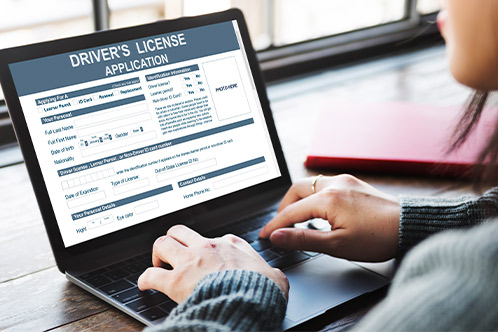
A woman smiling while using her laptop to complete her online Texas driver application.

Texas has continued modernizing its driver licensing system, shifting key steps online to reduce wait times and increase accessibility.

  • Online renewal, replacement, and address updates for driver licenses and IDs are available directly through DPS’s official online services, helping reduce unnecessary office visits.
  • The percentage of driver license applications completed within 45 minutes at DPS offices improved from 29.1% in FY 2019 to 59.2% in FY 2024, showing measurable progress in service speed.
  • Some Texas DPS offices continue to experience long appointment wait times, booked more than 60 days out in certain areas, making online preparation and scheduling essential to avoid delays.

Key Benefits of Going Online

  • Cost-effective alternatives to in-person driving schools
  • 24/7 access to state-approved courses
  • Faster exam completion and certificate delivery
  • Bilingual (English & Spanish) learning options
  • Fewer DPS visits and reduced scheduling delays

This shift supports Texas’s broader goal: empowering drivers through accessible, state-approved education while maintaining safety and compliance.

Who Is Eligible to Apply for a Texas Driver’s License Online?

Eligibility depends on your age, residency, and license status.

Age-Based Eligibility

  • 15 years old – Learner License (Permit)
  • 16–17 years old – Provisional License (after required education)
  • 18+ years old – Full Texas Driver’s License
  • 18–24 years old – Must complete a 6-hour adult driver education course
  • 25+ years old – Driver education is optional but recommended

Residency & Legal Presence

You must:

  • Be a Texas resident
  • Provide proof of U.S. citizenship or lawful presence
  • Present a valid Social Security Number

New Texas residents may drive on an out-of-state license for up to 90 days before applying.

Required Documents Checklist (Texas DPS – 2026)

A bearded man wearing glasses works at a desk with a laptop, engaged in an online Texas driver education session.

Preparing documents in advance is critical to avoiding delays.

Primary Documents

  • Proof of Identity (passport or birth certificate)
  • Social Security verification
  • Two proofs of Texas residency
  • Education & Certificates (Age-Based)
  • Driver Education Certificate (DE-964)
  • Impact Texas Drivers (ITD) certificate
  • Verification of Enrollment (for teens)
  • Vehicle Documents (If Applicable)
  • Proof of insurance
  • Texas vehicle registration or non-ownership affidavit

Pro Tip: Applicants who upload documents online before their appointment experience fewer rejections and faster approvals.

Step-by-Step: How to Get Your Texas Driver’s License Online in 2026

While Texas still requires a brief in-person visit for identity verification and driving skills, the majority of the journey can now be completed from the comfort of your home. Here’s exactly how the process works from start to finish.

Step 1: Complete a State-Approved Online Driver Education Course

The first and most important step is completing a Texas state-approved online driver education course, if required for your age group. Applicants between 18 and 24 years old must complete a 6-hour adult driver education course, while teens must complete a full driver education program that includes classroom instruction and behind-the-wheel practice. Even applicants over 25, though not required, are strongly encouraged to take an online course to build confidence and reduce testing stress.

In 2026, online driver education became the fastest way to obtain a driving license in Texas. These programs, like the one from Driving Quest, are designed to be flexible, affordable, and accessible, allowing students to study at their own pace. Many platforms are fully bilingual, offering instruction in both English and Spanish, ensuring that language is never a barrier to success.

What makes online education especially effective is that many state-approved courses now include the official DPS knowledge test. This means you can complete both your education and your written exam in a single streamlined experience, often within hours. With features like progress tracking, mobile compatibility, and multiple exam attempts, students experience less pressure and significantly higher pass rates.

Step 2: Pass the Texas DPS Knowledge Test Online

Once you’ve completed your coursework, you’ll move on to the written knowledge test. This exam covers Texas traffic laws, road signs, right-of-way rules, and safe driving practices. Traditionally taken at a DPS office, the knowledge test can now be completed online through approved providers.

The test consists of 30 multiple-choice questions, and you must score at least 70% to pass. One major advantage of online testing is flexibility. Driving Quest offers up to three attempts, which dramatically improves success rates and helps students feel supported rather than rushed. After passing, you’ll receive a digital certificate that Texas DPS can verify electronically, eliminating the need to retake the test in person.

This step alone saves applicants hours of waiting time and reduces the likelihood of appointment delays.

Step 3: Submit Your Texas Driver’s License Application Online

After completing your education and knowledge test, you’ll apply directly through the Texas Department of Public Safety (DPS) online portal. This involves filling out the official driver’s license application form (DL-14A), where you’ll provide personal information such as your legal name, address, date of birth, and physical description.

In 2026, Texas DPS will allow applicants to pre-upload key documents, including proof of identity, Social Security verification, and proof of residency. This pre-verification step is extremely valuable. It allows DPS to flag any missing or incorrect documents before your appointment, helping you avoid rescheduling or repeat visits.

Once your application is submitted, you’ll be able to schedule your in-person DPS appointment online, choosing the location, date, and time that works best for you.

Step 4: Attend Your In-Person DPS Appointment

A man and woman inside a car, examining a clipboard for online Texas driver information.

Although much of the process is online, Texas still requires one in-person visit to complete essential verification steps. During this appointment, DPS will confirm your identity, collect biometric information such as your photo and signature, and administer a vision screening.

If you haven’t already completed your road test through a third-party provider, this is also when you’ll take your driving skills test. The road test evaluates your ability to safely operate a vehicle, including turning, parking, lane changes, and obeying traffic laws. Applicants who prepare through structured online education and practice tend to perform significantly better during this step.

Because you’ve already completed your coursework, testing, and document uploads online, this appointment is typically short and efficient, often lasting far less time than traditional walk-in visits.

Step 5: Receive Your Temporary License and Final Approval

Once you complete your appointment, you’ll be issued a temporary paper driver’s license on the spot. This temporary license is fully valid for driving while you wait for your permanent card to arrive by mail, usually within two to three weeks.

Before leaving the DPS office, it’s important to carefully review all the information on your temporary license to ensure accuracy. Any corrections are easiest to make immediately and help prevent delays in receiving your final license.

From start to finish, applicants who use online, state-approved driver education and testing often complete the entire licensing process weeks faster than those who rely solely on in-person services.

Online vs In-Person Licensing: At-a-Glance Comparison

Feature Online Process Traditional Process
Driver Education Online, self-paced Classroom-based
Cost Lower, affordable Higher
Language Options English & Spanish Limited
Exam Attempts Up to 3 Usually 1
Time to Completion Hours to days Weeks
Convenience 24/7 access Fixed schedules

Why Online Driver Education Works Better in 2026

A young man holds up a driver license.

Online, state-approved programs align perfectly with Texas’s mission to deliver accessible, supportive, and empowering education.

Providers like Driving Quest offer:

  • Low Pricing: A fraction of traditional school costs
  • Flexible Prep: Learn at your pace, anytime
  • Bilingual Classes: English & Spanish availability
  • Multiple Exam Attempts: Reduced pressure, higher success
  • Fast Certification: Get licensed sooner

Common Mistakes to Avoid When Getting Your Texas Driver’s License Online

While Texas has made the licensing process more convenient and accessible in 2026, many applicants still experience unnecessary delays due to avoidable mistakes. With the right preparation and a state-approved online approach, most of these issues are easy to prevent.

Waiting Too Long to Schedule Your DPS Appointment

One of the most frequent mistakes applicants make is completing their online driver education and knowledge test, but delaying their DPS appointment. In many Texas cities, appointment slots can fill up four to six weeks in advance, especially during peak seasons like summer and back-to-school months.

To avoid this, schedule your DPS appointment as soon as you’re eligible, even if you’re still finishing your coursework. Appointments can usually be rescheduled if needed, but securing a spot early ensures your progress doesn’t stall after you’ve already invested time and effort.

Submitting Incomplete or Mismatched Documents

Document issues are a leading cause of application delays. Applicants often bring expired identification, incorrect residency documents, or paperwork with names that don’t match exactly. Even small discrepancies, such as missing middle names or hyphenated last names, can result in rescheduling your appointment.

Using the DPS REAL ID Document Check tool and uploading your documents online in advance helps identify these issues early. Always double-check expiration dates and bring original or certified copies to your appointment. Preparing your documents ahead of time is one of the most cost-effective and time-saving steps you can take.

Taking the Impact Texas Drivers (ITD) Course Too Early

The Impact Texas Drivers (ITD) course is mandatory for applicants under 25, but many people don’t realize it must be completed within 90 days of their driving test. Completing it too early, even by a few days, can invalidate your certificate, forcing you to retake the course.

To avoid this mistake, plan your ITD course around your road test date, not your education completion date. Timing this correctly keeps your application moving forward without interruptions.

Choosing a Non–State-Approved Online Course

Not all online driver education programs are accepted by the Texas DPS. Some applicants choose courses based on price alone, only to discover later that their certificate is not valid. This can result in wasted time, additional costs, and the frustration of having to start over.

Always verify that your course is Texas state-approved and includes DPS-accepted testing.

Underestimating the Road Test Preparation

Many applicants focus heavily on passing the written exam and overlook road test preparation. This often leads to failed driving exams due to simple mistakes such as improper signaling, incomplete stops, or difficulty with parallel parking.

Online driver education programs that emphasize real-world driving scenarios and defensive driving techniques help build confidence and competence behind the wheel.

Forgetting to Review the Temporary License for Errors

After completing your DPS appointment, you’ll receive a temporary paper license. A common oversight is failing to review it carefully before leaving the office. Errors in name spelling, address, or restrictions will carry over to your permanent license if not corrected immediately.

Taking a few extra minutes to review your temporary license can prevent weeks of delays and replacement fees later.

Get Your Texas Driver’s License Online in 2026 with Driving Quest

At Driving Quest, we believe getting your Texas driver’s license should be affordable, convenient, and empowering. Our state-approved online driver education and defensive driving courses are designed to help you learn the rules of the road, build real driving confidence, and prepare for success without unnecessary stress or high costs.

With bilingual courses in English and Spanish, three exam attempts, and some of the lowest pricing available, Driving Quest makes it easier to complete your requirements online and move forward toward safe, confident driving.


How Adults Can Pass the Texas Written Driving Test First Time

Excited woman sitting in her car and showing new driver license, celebrating driving school finish, passed exam, bought car, sitting inside of vehicle

Taking the Texas written test as an adult can feel intimidating, but it doesn’t have to be. Whether you’re a first-time driver, new to the state, or renewing an expired license, this exam is just one important step toward getting back on the road. With thorough preparation and the right approach, you can pass on the first try with confidence.

Here’s everything you need to know, plus proven tips to help you study smarter and get licensed faster.

Understanding the Texas Written Driving Test for Adults

A notebook featuring a small car placed on it, encircled by multiple traffic signs representing different driving regulations.

The Texas adult written driving test is designed to ensure you understand road signs, traffic laws, and safe driving practices before getting behind the wheel independently.

Who Needs to Take the Written Test?

You’ll likely need to take the Texas written test if you:

· Are over 18 and have never been licensed in any state

· Recently moved to Texas without a valid out-of-state license

· Have a Texas license expired for more than two years

· Are required by DPS due to medical or special circumstances

Age-Specific Requirements

· Ages 18–24: Must complete a Texas adult driver’s ed 6 hours before applying.

· 25 and older: Driver education is optional but strongly recommended.

All first-time adult applicants must also complete the Impact Texas Adult Drivers (ITAD) program before taking the road test.

What’s on the Texas Written Test?

Knowing what to expect reduces anxiety and increases your chances of passing.

Section Number of Questions Topics Covered Passing Requirement
Road Signs 15 Warning, regulatory, construction, guide signs 70% overall (21 correct out of 30)
Traffic Laws 15 Right-of-way, speed limits, DUI laws, lane usage 70% overall (21 correct out of 30)
Total 30 Multiple-choice questions 3 attempts allowed within 90 days

Key Topics You Must Know

·  Right-of-Way Rules: Understand who must yield at intersections, four-way stops, roundabouts, and when emergency vehicles are approaching. Many test questions are scenario-based, so clarity here is essential.

·  Speed Limits in Different Zones: Be familiar with speed regulations in school zones, residential areas, highways, and construction zones. Texas law varies by location, and these details are frequently tested.

· Lane Markings and Center Turn Lanes: Know the meaning of solid vs. broken lines, double yellow lines, and how center turn lanes are legally used. Misunderstanding lane markings is a common cause of incorrect answers.

· Defensive Driving Techniques: The test evaluates your understanding of safe following distances, hazard awareness, and how to respond in adverse weather or high-traffic conditions.

· DUI and Implied Consent Laws: Be aware of legal blood alcohol concentration (BAC) limits, penalties for impaired driving, and Texas’s implied consent law for chemical testing.

· Penalties for Violations: Know the consequences of traffic violations, including fines, license suspension, and point-based penalties. These questions test your understanding of legal responsibility.

Why Many Adults Fail (And How to Avoid It)

A woman stands at a bathroom sink nervous

Many adults do not pass the Texas written driving test on their first attempt. This is often due to preparation gaps, unfamiliarity with the test format, and test-taking anxiety. Understanding these common pitfalls can dramatically increase your chances of passing the first time.

1. Cramming the Night Before

Many adults underestimate the depth of material covered on the Texas written test and try to review everything in one sitting. While a quick refresher can help, cramming can limit long-term retention and increase stress. The brain absorbs information far more effectively when study sessions are spaced out over several days.

2.  Not Taking Enough Practice Tests

Reading the Texas Driver Handbook is essential, but it is only the first step. The written test uses scenario-based, multiple-choice questions that require more than simple memorisation. Adults who skip practice exams often struggle with how questions are worded, even if they understand the material. Taking multiple practice tests builds familiarity with the format, strengthens recall, and highlights weak areas before test day.

3. Misreading Questions

A surprising number of incorrect answers happen because test-takers rush. Words like “NOT,” “EXCEPT,” or “ALWAYS” can completely change the meaning of a question. Slowing down and reviewing each question thoroughly can prevent simple, avoidable mistakes that cost valuable points.

4. Test Anxiety

For many adults, returning to a testing environment after years away from school can trigger anxiety. Nervousness can interfere with concentration and memory recall even when you’ve studied properly. The best way to reduce anxiety is preparation and repetition. When you consistently score well on practice exams and understand the material thoroughly, confidence replaces fear.

A Smarter Strategy to Pass the Written Driving Test First Time

Here’s the strategy that works.

Step 1: Understand the Test Before You Study

Before opening the handbook, understand what you’re preparing for. The Texas written test includes 30 multiple-choice questions covering road signs, traffic laws, right-of-way rules, speed regulations, and safe driving practices. You need at least 70% to pass.

Step 2: Study in Phases, Not All at Once

Cramming overwhelms your memory and lowers retention. Instead, break your preparation into focused phases over several days:

· Phase 1: Road signs and their meanings

· Phase 2: Right-of-way and intersection rules

· Phase 3: Speed limits, penalties, and lane markings

· Phase 4: Defensive driving and safety laws

· Phase 5: Full practice exams

Studying in structured phases allows your brain to absorb and organise information logically. Adults learn more effectively when material is grouped and intentional.

Step 3: Use Active Recall, Not Passive Reading

Simply reading the Texas Driver Handbook is not enough. To truly retain information, you must test yourself repeatedly. Follow active recall methods like taking practice exams, covering answers and explaining rules aloud, and creating flashcards for signs and tricky laws.

When you force your brain to retrieve information instead of re-reading it, retention dramatically improves.

Step 4: Aim Higher Than 70%

While the passing score is 70%, you should aim for 85–90% consistently on practice exams before scheduling your test.

Why? Because nerves can easily cost you a few points. Building a performance cushion ensures you still pass comfortably even if test-day stress affects you slightly.

Step 5: Master the Most Missed Topics

Certain areas consistently challenge adult test-takers:

· Centre turn lane rules

·  Four-way stop procedures

·  School bus stopping laws

· Construction zone speed limits

· Double yellow line restrictions

· DUI and implied consent penalties

Instead of memorising answers, focus on understanding why these rules exist. Comprehension makes it easier to answer correctly even when questions are worded differently.

Step 6: Simulate Real Test Conditions

Before your actual exam, take at least two full practice tests under realistic conditions. Ensure there are no distractions, time the session, don’t take help of notes, and complete the test in one sitting.

This builds familiarity and reduces test anxiety. The more your brain experiences “test-like” situations, the calmer you’ll feel at the DPS office.

Step 7: Prepare Your Mind and Body for Test Day

Get 7–8 hours of sleep the night before. Eat a balanced meal to maintain focus. Arrive 20–30 minutes early to avoid stress. Bring all required documentation so you don’t feel rushed or distracted.

Step 8: Slow Down During the Exam

Many adults lose points not from lack of knowledge, but from rushing.

Read each question carefully. Watch for words like “NOT,” “EXCEPT,” or “ALWAYS.” Use the process of elimination when unsure. Trust your first answer unless you are certain it’s incorrect.

What Happens If You Don’t Pass?

A bearded man wearing glasses is seated at a desk, engaged with his laptop.

Texas allows three attempts within 90 days before requiring you to reapply and pay the fee again.

If you fail the exam:

·  Review the areas you missed

·  Take additional practice exams

·  Try a structured online course

·  Reschedule after strengthening weak points

Many adults pass on their second try after focused review, but with the right preparation, you can pass the first time.

Fast-Track Option: Take a State-Approved Online Course

One of the smartest ways to increase your first-time pass rate is enrolling in a state-approved Texas adult drivers ed 6 hour.

Benefits include:

· Structured learning aligned with DPS standards

· Built-in exam preparation

· Practice quizzes

· Reduced test anxiety

· Potential waiver of the DPS written test (if eligible)

Online courses are especially helpful if you:

· Haven’t studied in years

· Feel anxious about testing

· Prefer flexible, self-paced learning

· Need Spanish-language options

Pass The Written Driving Test First Time With Driving Quest

You don’t have to figure out your written driving test on your own. If you’re serious about passing the Texas written driving test on your first attempt, the smartest move is choosing a structured, state-approved course like Driving Quest.  With Driving Quest’s state-approved online courses, you get guided instruction aligned with Texas DPS standards, built-in knowledge testing, and the flexibility to study at your own pace.

We offer:

· State-Approved Courses – Accepted by Texas courts and DPS

· Low Pricing – Affordable education at a fraction of traditional costs

· Flexible Online Prep – Study anytime, anywhere

· Bilingual Classes – Available in English and Spanish

· Multiple Exam Attempts – Three chances to pass the DPS exam

· Fast Certificate Delivery – Complete your course in hours

Enroll today and move one step closer to holding your Texas license in hand. Contact us to learn more.

Summer Drivers Ed: Why Texas Teens Should Start Now

Father happily passing car keys to his teenage daughter and guiding her through her first driving lesson

Summer in Texas is more than just pool days and road trips. It’s also one of the best times for teens to begin driver’s ed. With fewer academic pressures and more flexible hours, students can focus on learning to drive safely without trying to balance lessons with homework, exams, and extracurricular activities.

Enrolling in Texas drivers ed online during the summer allows teens to move through the course at a steady, manageable pace using a Texas-approved provider like Driving Quest. By the time school returns, they are not only back in class but also significantly closer to becoming confident, licensed drivers.

Many families choose summer specifically because it helps teens avoid the back-to-school rush when schedules become crowded with sports, assignments, and activities.

Why Summer Is the Best Time to Start Drivers Ed

Kid at school. Child is learning in the class or doing homework.During the school year, teens often face packed schedules that leave little room for additional commitments. Summer creates space to focus on learning without constant time pressure.
This season offers several advantages:

  • Fewer time conflicts: No homework, exams, or late-night study sessions.
  • Flexible days: Teens can complete lessons in the morning before it gets hot, or in the evening after activities.
  • Easier family coordination: It’s simpler to fit in supervised driving practice when everyone’s calendar is lighter.

With a lighter schedule, teens can progress through driver’s ed at a comfortable pace instead of rushing through lessons between other responsibilities. They can log in, complete a lesson, log out, and still have time for jobs, camps, or simply relaxing with friends. The flexibility of online driver education has made it easier for many families to decide whether it fits their schedule and learning style, especially when weighing the pros and cons of self-paced study

Many families also plan ahead around the school calendar, using seasonal breaks strategically to get requirements done early, whether during spring break or as part of back-to-school preparation during summer.

Why Online Drivers Ed Works for Texas Teens

Drivers ed online has become a popular option for Texas families because it fits into real-life schedules while still meeting state requirements.

Learn anywhere, anytime

Teens can study from home, while traveling, or between activities, as long as they have internet access. Courses designed for Texas learners follow state-specific rules and road knowledge.

Self-paced progress

Students can slow down on challenging topics or move quickly through material they already understand. This flexibility helps improve retention and reduce stress during learning.

No commuting required

Everything is completed online, removing the need to travel to a physical classroom or adjust family schedules around fixed lesson times.

Engaging digital format

Interactive lessons, videos, and practice questions help reinforce driving concepts in a more engaging way than traditional textbook-only learning.

These features make online driver’s ed a practical fit for busy Texas households, especially during summer when routines are more flexible.

Building Real Driving Confidence During Summer

Teenage girl learning to drive with a driving instructor evaluating her performance during a driving test lessonCompleting the classroom portion is only one part of learning to drive. Summer also provides more opportunities for supervised behind-the-wheel practice.


With additional time, teens can:

  • Practice driving in different conditions, such as daylight, dusk, and light traffic
  • Gradually build skills on neighborhood streets before moving to more complex roads
  • Focus on defensive driving habits like scanning for hazards and reducing distractions

This extended practice period helps teens build confidence before taking the DPS road exam. Understanding common test expectations and preparation strategies can also reduce anxiety and improve readiness for testing situations.

How Online Drivers Ed Meets Texas Requirements

Texas has specific requirements for teen drivers, including classroom instruction, supervised practice, and state-approved coursework.

A Texas-focused online program ensures:

This structured approach helps simplify what can otherwise feel like a complicated licensing process for both teens and parents.

Why Families Choose Driving Quest

Texas families often look for a program that is flexible, affordable, and easy to follow. Driving Quest is built around those needs.

Key features include:

  • Budget-friendly course pricing
  • Flexible online access from any device
  • Multiple exam attempts included for key assessments
  • Spanish-language course availability for bilingual families
  • Focus on safe driving habits rather than rushed completion

The goal is to help teens build real knowledge and judgment that will keep them safe on Texas roads, not just complete a checklist of requirements.

Families also appreciate the ability to plan driver’s ed around the school calendar, especially when preparing ahead for busy academic periods.

Simple 5-Step Summer Plan

Joyful driving instructor congratulating his student after successfully passing the driving test in a car

Starting drivers ed during the summer can be straightforward:

  1. Enroll in a Texas-approved online course
    Choose a program that meets state requirements.
  2. Create a weekly study schedule
    Even a few hours per week is enough to make steady progress.
  3. Complete online coursework
    Teens work through lessons and quizzes at their own pace.
  4. Add supervised driving practice
    Apply lessons in real driving situations as skills develop.
  5. Prepare for testing and licensing steps
    Use practice materials and review key driving concepts before the DPS exam.

Make This Summer Count

Summer offers a valuable opportunity for Texas teens to get ahead on driver’s ed before the school year becomes busy again. By starting early, students can complete coursework, build driving experience, and approach licensing with greater confidence.

Taking driver’s ed online helps simplify the process by offering flexibility, structure, and accessibility from home.

Give your teen a strong start this summer with Texas Drivers Ed Online through Driving Quest. Complete the course before school returns and move one step closer to becoming a licensed driver. Contact Driving Quest today or enrol now to get started.

Why Summer is the Best Time to Take Texas Defensive Driving

Positive lady driving vehicle, going on trip alone, wearing hat and seatbelt, view from inside car interior at sunny summer day

Summer in Texas brings longer days, packed vacation schedules, road trips, and heavy highway traffic. It is also one of the smartest times to complete a Texas defensive driving course online. Whether you want to dismiss a traffic ticket, reduce insurance costs, or refresh your driving skills, summer offers the flexibility and real-world driving conditions that make defensive driving education more valuable than ever.

For many Texans, summer creates a rare opportunity to focus on personal goals without the pressure of school schedules, holiday obligations, or year-end work deadlines. With online defensive driving courses now fully mobile-friendly and court-approved, drivers can complete their requirements from anywhere while learning practical safety techniques that matter on Texas roads.

For drivers looking for a cost-effective and convenient option, Driving Quest offers state-approved Texas defensive driving courses designed to fit modern schedules. Courses are available online in both English and Spanish, making it easier for drivers across Texas to complete their training on their own time.

1. Summer Gives Texans More Flexibility to Complete Defensive Driving

Time management concept. Businessman manages time for effective work. Calendar on the virtual screen interface. Highlight appointment reminders and meeting agenda on the calendar.One of the biggest advantages of taking a defensive driving course during the summer is simply having more time available. Students are out of school, parents often have more flexible schedules, and many workplaces experience slower seasonal workloads. Instead of rushing through a course during the busy fall or holiday season, drivers can complete lessons at a comfortable pace.

More Time Means Less Stress

When schedules are lighter, it becomes easier to focus on learning rather than squeezing coursework between other responsibilities. Drivers can absorb safety concepts more effectively and complete modules without feeling rushed. Online defensive driving courses allow users to pause and resume lessons whenever convenient, making summer an ideal time to stay consistent and finish quickly.

Learn From Anywhere During Summer Travel

Modern defensive driving programs no longer require classroom attendance. Drivers can complete lessons from home, while traveling, or even during vacation downtime. Since online courses work across smartphones, tablets, and computers, Texans can keep progressing regardless of where summer takes them.

This flexibility aligns perfectly with the convenience-focused approach offered by Driving Quest, where drivers can study at their own pace while working toward ticket dismissal or insurance savings.

2. Longer Daylight Hours Create Better Driving Conditions

Texas summers provide significantly longer daylight hours, giving drivers more opportunities to practice safe driving habits under clearer visibility conditions. This is especially valuable for younger drivers, nervous drivers, or anyone rebuilding confidence after a citation.

Better Visibility Helps Drivers Build Confidence

Driving during daylight hours reduces visibility challenges and creates a safer environment for practicing defensive techniques. Drivers can focus on maintaining safe following distances, monitoring blind spots, and anticipating traffic patterns without the added difficulty of nighttime driving.

More Opportunities to Apply Defensive Driving Skills

Summer’s extended daylight also means drivers spend more time on the road during active hours. That creates more opportunities to immediately apply lessons learned during a defensive driving course, reinforcing concepts through real-world experience.

According to the National Highway Traffic Safety Administration, summer months consistently experience increased travel volume across U.S. roadways, making defensive driving awareness even more important.

3. Texas Summer Traffic Makes Defensive Driving More Valuable

Excited young woman making eye contact and smiling while driving home her new carSummer traffic in Texas is unique. Vacationers, road trips, construction zones, and holiday travel create busier highways and more unpredictable driving conditions. Defensive driving becomes especially relevant during this season because drivers encounter more real-world hazards daily.
Increased Traffic Requires Greater Awareness

Texas highways become noticeably busier during the summer months. Drivers face congested roads, unfamiliar tourists, aggressive lane changes, and distracted driving more frequently. Defensive driving teaches motorists how to anticipate these situations before they become dangerous.

Learning how to maintain proper following distance, avoid road rage situations, and identify risky driver behavior can dramatically improve safety during peak travel season.

Construction Zones Become More Common

Summer is also peak construction season across Texas. Highway repairs and infrastructure projects create lane closures, reduced speed zones, and sudden traffic slowdowns. According to the Texas Department of Transportation, Texas recorded more than 28,000 crashes in Texas work zones.

Texas’s defensive driving course online helps drivers safely navigate construction areas by emphasizing speed control, hazard scanning, and defensive spacing techniques.

4. Extreme Texas Heat Teaches Awareness

Texas summers are known for extreme heat, and high temperatures can affect both drivers and vehicles. Defensive driving education goes beyond traffic laws by teaching awareness around vehicle maintenance and heat-related driving dangers.

Heat Impacts Vehicle Performance

Summer temperatures regularly exceed 100°F across many parts of Texas. These conditions increase the likelihood of tire blowouts, overheating engines, and battery failures. Drivers who understand preventive maintenance are better prepared to avoid dangerous roadside situations.

Defensive driving education often reinforces the importance of checking tire pressure, coolant systems, brake performance, and air conditioning before long summer drives.

Driver Fatigue and Dehydration Reduce Alertness

Heat exhaustion and dehydration can slow reaction time and reduce concentration behind the wheel. Long summer drives combined with intense temperatures can increase fatigue, particularly during peak afternoon hours.

Defensive driving encourages drivers to stay hydrated, take regular breaks, and recognize early signs of heat-related fatigue before safety becomes compromised.

5. Summer Is the Perfect Time to Dismiss a Traffic Ticket

transportation and vehicle concept - parking ticket on car windscreenFor many Texans, the main reason for taking defensive driving is ticket dismissal. Completing a state-approved defensive driving course can help eligible drivers keep violations off their record while avoiding insurance increases.

Avoid Insurance Rate Increases

Traffic tickets can significantly raise insurance premiums over time. Completing a defensive driving course helps eligible drivers avoid points on their driving record and may even qualify them for additional insurance discounts. This creates long-term savings that often outweigh the cost of the course itself.

Handle Court Deadlines Before Fall Gets Busy

Summer provides breathing room to complete court requirements before school schedules and holiday responsibilities return. Finishing your course early helps avoid last-minute stress and gives courts enough time to process completion certificates.

Driving Quest allows drivers to complete their Texas-approved defensive driving course entirely online while providing them with a flexible schedule and affordable pricing.

6. Texas Defensive Driving Course Online Makes Summer Learning Easier Than Ever

Traditional classroom schedules can feel inconvenient, especially during summer vacations or irregular work hours. Online defensive driving changes that completely.

Flexible Scheduling Fits Any Lifestyle

Online courses allow Texans to learn at their own pace without commuting to a classroom. Drivers can complete lessons in short sessions throughout the week or finish the course in a single day, depending on their schedule.

This convenience is particularly valuable for busy parents, working professionals, and college students home for summer break.

Bilingual Access Supports More Texas Drivers

Texas has one of the most diverse driving populations in the country. Access to bilingual defensive driving courses makes education more accessible and supportive for Spanish-speaking drivers.

Driving Quest offers courses in both English and Spanish, helping more Texans complete state-approved training comfortably and confidently.

Why Defensive Driving Matters Beyond Ticket Dismissal

Houston, Texas, USA downtown city skyline and highway.While ticket dismissal is a major benefit, defensive driving delivers long-term value far beyond a single citation. Drivers who complete refresher training often become more aware, patient, and confident behind the wheel.

· Defensive Driving Encourages Lifelong Safer Habits

Courses reinforce essential safety practices like avoiding distractions, recognizing aggressive drivers, and reacting calmly during emergencies. These habits can reduce accident risk and improve confidence in challenging traffic conditions.

· Safer Drivers Protect Everyone on the Road

Texas roads become increasingly busy during the summer travel season. Defensive driving helps create safer roadways not just for individual drivers, but also for passengers, cyclists, pedestrians, and surrounding traffic.

For families with teen drivers, summer defensive driving can also serve as a valuable confidence-building tool before the school year begins again.

Texas Summer Defensive Driving at a Glance

Summer Driving Challenge How Defensive Driving Helps
Heavy vacation traffic Improves hazard awareness and reaction time
Construction zones Teaches safe speed control and spacing
Extreme heat Reinforces vehicle safety and driver preparedness
Traffic ticket concerns Helps eligible drivers dismiss citations
Busy fall schedules ahead Allows flexible completion during slower months
Insurance rate increases May qualify drivers for premium discounts
Long road trips Encourages safer highway driving habits
Diverse driver needs Offers bilingual online learning options

Get Your Texas Defensive Driving Course Online Done Before Summer Ends

Summer creates the perfect combination of flexibility, practical driving experience, and motivation to complete defensive driving. Longer days, online accessibility, and increased road awareness make this season the ideal time to improve your driving skills while protecting your record and your wallet.

If you need to dismiss a ticket, lower insurance costs, or simply become a more confident driver, now is the time to act. Driving Quest offers affordable, state-approved Texas defensive driving courses, both in English and Spanish, with flexible scheduling, bilingual learning options, and convenient online access that works around your lifestyle. Enroll now.

How to Get Your Texas Drivers License in 5 Easy Steps for Teens

Male Latin driving instructor giving directions to teen student during driving exam while sitting in car

Getting your driver’s license is one of the biggest milestones of your teen years. In Texas, earning that license means passing a test while building the skills and confidence needed to drive safely and responsibly for life.

For teens between 15 and 17, Texas uses a Graduated Driver License (GDL) program that walks new drivers through a step-by-step process before they can drive independently. While the process may seem overwhelming at first, it becomes much easier when you understand each stage clearly.

The good news? With the right preparation, supportive guidance, and a flexible online driver education program, getting your Texas driver’s license can be a smooth and stress-free experience.

Whether you’re just starting driver’s ed or preparing for your road test, this guide on how to get a driver’s license in Texas as a teen breaks down the entire process into five simple steps, so you know exactly what to expect.

Understanding the Texas Teen Driver License Process

Smiling teen girl wearing headphones listening to audio course using laptop at home, making notes, young woman learning foreign languages, digital self education, studying online, enjoying musicTexas designed the Graduated Driver License program to help teens gain experience gradually before receiving full driving privileges. Research from the National Highway Traffic Safety Administration (NHTSA) shows that strong graduated licensing programs can significantly reduce teen crashes by allowing young drivers to develop skills under supervised conditions first.

The process includes two primary phases: the learner license phase and the provisional license phase. During this time, teens complete classroom education, supervised driving practice, and a driving skills test before earning unrestricted driving privileges at age 18.

How to Get a Driver’s License in Texas as a Teen

Step What Teens Need to Do Key Requirements
Step 1: Complete Driver Education Enroll in a state-approved Texas teen driver education course online, through a driving school, or via parent-taught driver’s ed. Complete 32 hours of classroom instruction plus required in-car training.
Step 2: Get Your Learner’s License Apply for a Texas learner’s license at the DPS after completing the first portion of driver education. Be at least 15 years old, provide required documents, pass the vision screening, and the knowledge exam.
Step 3: Complete Supervised Driving Practice Practice driving with a licensed adult age 21 or older to build real-world driving experience. Complete 30 supervised driving hours, including 10 nighttime hours, in addition to instructor-led training.
Step 4: Prepare for the Road Test Hold the learner’s license for the required period while continuing to practice safe driving habits. Hold the permit for at least 6 months, turn 16, and complete the Impact Texas Teen Drivers (ITTD) program.
Step 5: Pass the Texas Driving Test Take the official driving skills exam at the DPS or an approved third-party testing provider. Bring all required documents and demonstrate safe driving skills during the road test.

Step 1: Complete a State-Approved Texas Driver Education Course

Before you can apply for a learner’s license, Texas requires teens to complete a state-approved driver’s education course.

Why Driver’s Ed Matters

Driver education gives teens the foundation they need to understand traffic laws, road signs, defensive driving strategies, and safe driving habits. It also prepares students for the Texas permit exam and road test. Texas requires teens to complete:

  • 32 hours of classroom instruction
  • 44 hours of behind-the-wheel training
  • 30 hours of supervised driving practice
  • 10 nighttime driving hours

These requirements help teens build both knowledge and real-world driving experience before driving independently.

Choosing the Right Driver Education Program

Teens in Texas can complete driver education through:

For many families, online learning has become the most convenient option because it allows teens to study at their own pace from anywhere.

That flexibility is exactly why students choose Driving Quest. The platform offers affordable, state-approved online courses designed to fit busy schedules while helping teens prepare confidently for the permit exam and road test.

Step 2: Apply for Your Texas Learner License

Once you complete the classroom portion of driver education, you can apply for your Texas learner’s license, often called a learner permit.

To qualify for a learner’s license in Texas, teens must:

  • Be at least 15 years old
  • Complete the first portion of driver education
  • Meet school attendance requirements
  • Provide a Verification of Enrollment (VOE) form or diploma/GED

A parent or legal guardian must also accompany the teen during the application process. Before heading to the Texas DPS office, make sure you bring:

Required Document Purpose
Driver Education Certificate (DE-964) Proof of completed coursework
Birth Certificate or Passport Proof of identity
Social Security Card SSN verification
Two Proofs of Texas Residency Residency confirmation
VOE Form or School Transcript Attendance verification
Parent or Guardian Required co-signer for minors

Having all documents ready ahead of time helps avoid appointment delays.

Pass the Permit Exam and Vision Test

Teens must pass:

  • A written knowledge exam
  • A vision screening

Many state-approved online driver education programs like Driving Quest include the written exam as part of the course, which can save time at the DPS office.

Once approved, teens receive a learner’s license that allows supervised driving practice with a licensed adult age 21 or older in the front passenger seat.

Step 3: Complete Your Supervised Driving Hours

Driving instructor sitting in a car with his student and explain to him driving basics and traffic rules. He is using electronic tablet for education purpose. View from inside.Texas requires teens to complete 30 hours of supervised driving practice with a licensed adult who is at least 21 years old, in addition to the 14 hours of instructor-led behind-the-wheel training required during driver education. At least 10 of those hours must be at night to help new drivers build confidence in low-visibility conditions.


Why Supervised Driving Matters

The supervised driving phase allows teens to develop critical decision-making skills behind the wheel while still having guidance from an experienced adult. During this stage, new drivers learn how to react calmly to traffic conditions, improve awareness of their surroundings, and build confidence through repetition and consistency.

Research from the Children’s Hospital of Philadelphia recommends practicing in a variety of driving environments, including highways, nighttime conditions, and busy intersections, to help teens build confidence and reduce crash risks as new drivers.

Practice in a Variety of Driving Conditions

Driving confidence develops over time, especially when teens are exposed to different traffic patterns, road types, and weather conditions.

  • Residential Streets and Neighborhoods: These areas help teens practice basic vehicle control, stop signs, turns, speed management, and awareness of pedestrians or cyclists in lower-pressure environments.
  • Busy Intersections and City Traffic: Urban driving teaches teens how to navigate traffic lights, lane positioning, heavy traffic flow, and quick decision-making in more demanding conditions.
  • Highways and Freeways: Practicing highway driving helps teens become comfortable with merging, changing lanes at higher speeds, maintaining safe following distances, and understanding traffic flow.
  • Parking Lots and Parking Maneuvers: Parking practice is essential for improving vehicle awareness and precision. Teens should practice reverse parking, angle parking, three-point turns, and parallel parking regularly before the road test.
  • Nighttime and Weather Conditions: Night driving and poor weather create visibility challenges that require additional focus and caution. Completing nighttime driving hours helps teens learn how to adjust speed, increase following distance, and stay alert in more difficult conditions.

Focus on Building Safe Driving Habits

Supervised driving is also the perfect opportunity to establish habits that will stay with teens long after they receive their license.

  • Learn Defensive Driving Techniques: New drivers should practice scanning ahead, anticipating other drivers’ actions, and leaving enough space between vehicles to react safely.
  • Prioritize Consistency Over Speed: The best drivers are not necessarily the fastest learners. Regular practice over several months helps teens feel more comfortable and capable behind the wheel.
  • Keep an Accurate Driving Log: Throughout the practice phase, teens should maintain a detailed driving log that records dates, hours completed, and the types of driving conditions experienced. Organized records help ensure all state requirements are met and make the transition to the road test much smoother.

Step 4: Hold Your Permit and Prepare for the Road Test

Before moving to the next stage, teens must hold their learner’s license for at least six months and reach age 16.  This waiting period gives new drivers additional time to gain experience and maturity behind the wheel.

Complete the Impact Texas Teen Drivers Program

Before taking the driving test, teens must complete the free Impact Texas Teen Drivers (ITTD) course. The program focuses on distracted driving awareness and emphasizes the dangers of texting or using a phone while driving. The certificate is only valid for 90 days before the driving test, so timing matters.

Step 5: Pass the Texas Driving Test

Cheerful young woman celebrates passing her driving test and obtaining her driver's license with her instructor standing next to the car

Once all requirements are complete, it’s finally time for the Texas driving test. Teens can take the road test:

  • At a Texas DPS office
  • Through an approved third-party testing provider

Many families prefer third-party testing because appointments are often easier to schedule and more flexible.

Bring the Correct Documents on Test Day

Missing paperwork can delay the test, so double-check everything before leaving home. You’ll typically need:

Test Day Requirement Why It’s Needed
Learner License Identification and eligibility
DE-964 Certificate Driver education proof
ITTD Certificate Required safety course
Driving Log Practice hour verification
Proof of Insurance Vehicle compliance
Vehicle Registration Legal testing vehicle

What the Examiner Looks For

During the road test, examiners evaluate whether teens can drive safely and confidently in real traffic conditions. Key skills include:

  • Lane Changes and Turns: Using mirrors, signals, and proper positioning.
  • Parking Maneuvers: Including parallel parking or reverse parking.
  • Traffic Sign Awareness: Understanding and obeying all road signs and signals.
  • Speed Control: Maintaining safe and legal driving speeds.
  • Vehicle Awareness: Demonstrating smooth braking, acceleration, and steering control.
  • Staying calm and focused is one of the best ways to succeed during the test.

What Happens After You Pass?

Once you pass, you’ll receive a Texas provisional license, which allows you to drive on your own while still following a few important restrictions designed to help new drivers stay safe.

1.    Passenger Restrictions

For the first 12 months, teen drivers cannot have more than one passenger under 21 years old in the vehicle unless they are family members.

This rule exists because teen passengers can create distractions that increase crash risks for new drivers. Keeping the car less crowded helps teens stay focused on the road while building confidence driving independently.

2.    Nighttime Driving Restrictions

Drivers with a provisional license cannot drive between midnight and 5:00 a.m. unless traveling for work, school-related activities, or emergencies.

Night driving can be more dangerous due to reduced visibility, fatigue, and increased risks on the road. These restrictions help teens gain more daytime driving experience before regularly driving late at night.

3.    Cell Phone Restrictions

Texas prohibits all handheld phone use for teen drivers, including texting and calling while driving.

Distracted driving remains one of the leading causes of accidents among young drivers, which is why building distraction-free habits early is so important.

4.    Maintain a Clean Driving Record

Safe driving habits matter from the very beginning. Traffic violations, reckless driving, or repeated citations during the provisional phase can lead to penalties, license suspension, or additional requirements before receiving a full, unrestricted license.

At age 18, the provisional license automatically converts into a standard unrestricted Texas driver’s license, provided all licensing requirements have been successfully maintained.

Get Your Teen Texas Driving License with Driving Quest

Getting your Texas driver’s license doesn’t have to feel complicated. With the right support system and a flexible learning program, teens can complete driver education confidently while preparing for long-term driving success.

Driving Quest makes the process simple with affordable, state-approved online teen drivers’ ed courses designed for busy teens and families. Students can study at their own pace, access bilingual classes in English and Spanish, and take advantage of multiple exam attempts for added peace of mind.

Whether you’re preparing for your permit test or getting ready for the road exam, Teen Drivers Ed Quest gives you the tools and flexibility to earn your Texas driver’s license faster and with confidence. Contact us today to get started.

Free Texas DMV Practice Test Questions You Need to Study

A person wearing a white sweater writes with a red pencil on paper in a bright room. The scene conveys concentration and focus, with a blurred background.

Getting your driver’s license in Texas is a major milestone. Whether you’re a teen applying for your learner license or an adult preparing for the written exam, the key to success is simple: practice consistently with realistic Texas DMV practice test questions.

The Texas written knowledge test evaluates your understanding of road signs, traffic laws, safe driving habits, and state-specific license requirements. Many first-time applicants underestimate the exam, which often leads to failed attempts and unnecessary delays.

The good news is that preparing effectively doesn’t have to be expensive or stressful. With online study tools, free practice exams, and flexible driver education options, you can build confidence and increase your chances of passing the Texas DMV test on the first try.

At Driving Quest, aspiring drivers gain access to affordable, state-approved online learning designed to make driver education more convenient, supportive, and accessible for everyone.

Understanding Texas License Requirements Before You Take the Test

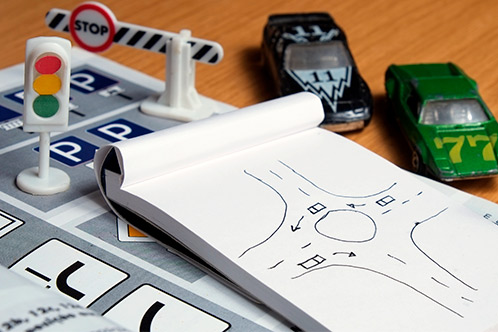
Toy cars and road signs surround a notepad with a roundabout sketch on a table. The setup resembles a traffic planning scene.Before studying practice questions, it’s important to understand the basic Texas license requirements. Eligibility rules vary depending on your age and the type of license you are applying for.
Teen Drivers Applying for a Learner’s License

Drivers under 18 must complete a Texas-approved driver’s education course before taking the permit exam. Applicants must also:

  • Meet Minimum Age Requirements: Teens can begin a learner’s license program at age 15.
  • Complete Classroom Instruction: Texas requires a specific number of classroom instruction hours before testing eligibility.
  • Provide Identification Documents: Applicants need proof of identity, Social Security number, residency, and lawful presence.
  • Pass Vision and Written Exams: The DMV knowledge test evaluates your understanding of Texas driving laws and safety rules.

Adult Drivers Applying for a License

Adults between 18 and 24 are also required to complete an approved driver’s education course before obtaining a license.

Drivers over 25 may choose to complete a course voluntarily, but many still benefit from structured preparation and online practice tests.

Why Texas DMV Practice Tests Matter

The Texas DMV written test is not designed to trick you, but it does require preparation. Practice tests help you become familiar with the format and identify weak areas before exam day.

  • Practice Tests Improve Memory Retention: Repeated exposure to questions helps reinforce important rules and traffic laws. Instead of memorizing answers, you begin understanding concepts.
  • They Reduce Test Anxiety: One of the biggest reasons applicants fail is nervousness. Practicing beforehand makes the real exam feel familiar and manageable.
  • They Help You Identify Weak Topics: Most drivers struggle with similar sections, including:
  • Right-of-Way Rules: Understanding who goes first at intersections often confuses new drivers.
  • Road Signs: Many applicants mix up warning, regulatory, and guide signs.
  • Parking Laws: Texas-specific parking distances and restrictions appear frequently on the exam.

Texas DMV Practice Test Topics You Need to Study

The Texas DMV written test is designed to measure how well you understand the rules of the road, traffic safety laws, and responsible driving behavior. While some questions are straightforward, others are scenario-based and require careful thinking. That’s why studying the right topics with realistic Texas DMV practice test questions can dramatically improve your chances of passing on the first attempt.

Instead of simply memorizing answers, focus on understanding why each rule exists. This approach helps you perform better on the exam and prepares you for safer driving in real-world situations.

Below are the most important categories you should spend time reviewing before your Texas DMV test. Taking a practice driving test online can help you prepare for both the Texas DPS written exam and the behind-the-wheel driving test by improving your understanding of road rules and safe driving habits.

Road Signs and Traffic Signals

Road signs and traffic control devices are among the most heavily tested areas on the Texas permit exam. These questions evaluate your ability to recognize signs quickly and respond appropriately while driving.

Regulatory Signs

Regulatory signs communicate laws and rules that drivers are legally required to follow.

  • Stop Signs: The red octagon-shaped stop sign requires drivers to come to a complete stop at the marked line or intersection before proceeding safely.
  • Yield Signs: Yield signs indicate that drivers must slow down and give the right-of-way to oncoming traffic or pedestrians.
  • Speed Limit Signs: These signs display the maximum legal speed allowed under ideal driving conditions. Exceeding the posted speed can result in fines, accidents, or license penalties.
  • Wrong Way and Do Not Enter Signs: These signs prevent drivers from entering roads in the wrong direction and commonly appear near highway exits or one-way streets.

Warning Signs

Warning signs alert drivers to upcoming hazards or changing road conditions.

  • Curve and Turn Signs: These signs warn drivers about sharp turns, winding roads, or dangerous curves ahead.
  • School Zone Signs: Drivers must reduce speed, remain alert, and watch carefully for children crossing the roadway.
  • Construction Zone Signs: Orange warning signs indicate road work areas where lanes may shift or speed limits may temporarily change.
  • Railroad Crossing Signs: These signs warn drivers to slow down and prepare for possible train crossings.

Traffic Signals and Pavement Markings

Understanding traffic signals and lane markings is essential for safe driving and commonly appears on Texas DMV practice tests.

  • Flashing Red Lights: A flashing red signal should always be treated like a stop sign. Drivers must stop completely before proceeding when safe.
  • Flashing Yellow Lights: These signals warn drivers to slow down and proceed cautiously through the intersection.
  • Solid and Broken Lane Lines: Solid lines generally restrict passing or lane changes, while broken lines indicate passing is allowed when safe.
  • Turn Arrows: Green arrows allow protected turns, while yellow arrows warn that the signal is about to change.

Sample Practice Question

  • What should you do at a flashing red traffic light?

Drivers must come to a complete stop, check traffic in all directions, and proceed only when the roadway is clear.

Right-of-Way Rules and Intersection Questions

A person types on a laptop displaying a driver's license application form. They appear focused, with a red notebook nearby, suggesting a work setting.Right-of-way questions are often considered some of the trickiest sections of the Texas DMV written test because they involve real-life judgment scenarios.

  • Four-Way Stops: When two or more vehicles arrive at the same time, the driver on the left must yield to the vehicle on the right.
  • Uncontrolled Intersections: At intersections without traffic signals or signs, drivers must reduce speed and yield appropriately to avoid collisions.
  • Emergency Vehicles: Drivers must immediately pull over to the right-hand side of the road and stop when emergency vehicles approach with active sirens or flashing lights.
  • School Buses: Texas law requires vehicles traveling in both directions to stop for school buses displaying flashing red lights unless separated by a physical median barrier.
  • Pedestrian Right-of-Way: Pedestrians in marked or unmarked crosswalks generally have the right-of-way, and drivers must yield safely.

Speed Limits, Parking Laws, and Safe Driving Questions

This section of the exam focuses on practical driving habits and Texas traffic regulations.

  • Texas Speed Limits: Drivers should understand both posted limits and default speed rules in specific areas.
  • School Zones: School zones often require speeds as low as 20 mph during active hours.
  • Residential Areas: Urban and residential streets typically have lower speed limits to protect pedestrians and nearby traffic.
  • Highway Speed Limits: Texas highways may allow speeds up to 70 mph or higher in designated areas.

Parking Rules

Parking questions frequently appear because improper parking can create safety hazards.

  • Fire Hydrant Distance: Drivers must park at least 15 feet away from a fire hydrant.
  • Crosswalk Restrictions: Parking too close to intersections or crosswalks may block visibility for other drivers and pedestrians.
  • Handicap Parking: Unauthorized parking in accessible spaces can result in significant fines.

Following Distance and Defensive Driving

Safe driving habits are a major focus of the Texas DMV exam.

  • The Two-Second Rule: Drivers should maintain at least a two-second gap behind other vehicles during normal driving conditions.
  • Driving in Bad Weather: Rain, fog, and ice require slower speeds and increased following distances.
  • Skid Recovery: If a vehicle skids, drivers should ease off the accelerator and steer in the direction they want the vehicle to move.

Alcohol Awareness and Texas Driving Laws

The DMV written test also includes important safety laws related to alcohol, drugs, and driver responsibility.

  • Legal BAC Limits: Drivers age 21 and older are legally intoxicated at a blood alcohol concentration of 0.08%.
  • Zero Tolerance for Drivers Under 21: Texas enforces strict zero-tolerance laws for underage drinking and driving offenses.
  • Implied Consent Law: By driving in Texas, drivers automatically agree to submit to breath or blood testing if law enforcement suspects impairment.
  • Seat Belt Laws: Texas law requires all drivers and passengers to wear seat belts, regardless of seating position.

Common Texas DMV Practice Questions Table

Topic Example Question Correct Answer
Road Signs What shape is a stop sign? Octagon
Right-of-Way Who goes first at a four-way stop? Vehicle on the right
Traffic Signals What does a flashing red light mean? Complete stop
Parking Laws How close can you park to a fire hydrant? At least 15 feet
Speed Limits What is the typical school zone speed? 20 mph
Alcohol Laws Legal BAC limit for adults? 0.08%
Defensive Driving What should you do during a skid? Steer in the intended direction

How to Study More Effectively for the Texas DMV Test

A hand holds a pencil, filling in bubbles on a standardized test answer sheet. The focus is on precision and concentration, conveying a sense of focus.Preparing for the Texas DMV written exam requires more than memorizing answers. The best way to improve your score is by combining the Texas Driver Handbook with consistent practice tests and focused review sessions.

1.    Read the Texas Driver Handbook

The written exam is based directly on information from the Texas Driver Handbook. Pay close attention to road signs, right-of-way rules, speed limits, parking laws, and defensive driving concepts.

2.    Take Multiple Practice Tests

Free Texas DMV practice tests help you become familiar with the format of the real exam. Repeated practice also improves confidence and helps you recognize commonly tested topics faster.

3.    Focus on Weak Areas

If you repeatedly miss questions about road signs or traffic laws, spend extra time reviewing those sections instead of studying everything equally.

4.    Practice Under Real Test Conditions

Set a timer and complete practice exams without distractions. This helps improve concentration and reduces test-day anxiety.

5.    Study Consistently

Short daily study sessions are usually more effective than cramming the night before the exam. Even 20 minutes of practice each day can improve retention and confidence.

6.    Use Flexible Online Driver Education

Online learning platforms like Driving Quest make preparation more convenient by offering affordable, state-approved courses with bilingual access and flexible study options.

If you don’t pass on your first attempt, don’t panic. Many new drivers struggle with certain sections of the exam the first time around. Reviewing missed questions, focusing on weaker topics, and taking additional Texas DMV practice tests can help you feel more confident before your retake.

Why Online Driver Education Makes Preparation Easier

A woman in a car celebrates joyfully, holding a driver's license. She's smiling broadly, wearing a light blouse.Traditional classroom instruction can be time-consuming and expensive. Online learning provides a more flexible and affordable alternative.


Driving Quest helps students prepare faster with state-approved online driver education courses designed for convenience and success.

  • Flexible Learning Options: Students can study from home at their own pace using any device.
  • Bilingual Course Access: Courses are available in both English and Spanish, helping more students learn comfortably and confidently.
  • Multiple Exam Attempts: Driving Quest gives students three opportunities to pass the online DPS exam, reducing pressure and improving success rates.
  • Affordable Driver Education: The curriculum is designed to provide a cost-effective solution without sacrificing quality or support.

Start Practicing Today and Earn Your Texas License Faster

Passing the Texas DMV written test becomes much easier when you combine consistent practice with quality driver education. Every practice question helps reinforce safe driving habits and prepares you for real-life situations behind the wheel.

Driving Quest provides affordable, convenient, and state-approved online courses designed to help aspiring Texas drivers, both teens and adults, succeed faster. With bilingual learning options (Spanish and English), flexible scheduling, and multiple exam attempts, students can prepare with confidence from anywhere.

Start practicing with free Texas DMV practice questions today and take the next step toward earning your driver’s license with Driving Quest. Enroll today!

Texas Parent Taught Drivers Ed Requirements: Complete Checklist

A man and woman in a car, representing the Texas Parent Taught Drivers Ed requirements checklist.

For many Texas families, teaching a teen to drive is both an exciting milestone and a serious responsibility. Fortunately, the state offers a flexible and cost-effective pathway through Parent-Taught Driver Education (PTDE). If you’re searching for parent-taught driver’s ed Texas requirements, this comprehensive guide explains everything, from eligibility to licensing, so you can confidently support your teen’s journey.

Unlike traditional driving schools, PTDE gives families the ability to combine state-approved online learning with real-world driving practice under parental supervision. The result is a more personalized, convenient, and empowering experience.

Understanding Parent-Taught Driver Education in Texas

Two men inside a car, with one gesturing towards the camera, related to Texas Parent Taught Drivers Ed checklist.Parent-Taught Driver Education is a program regulated by the Texas Department of Licensing and Regulation (TDLR) that allows a parent, guardian, or qualified adult to take on the role of driving instructor.

Instead of attending scheduled classroom sessions at a driving school, teens complete their theoretical learning through an online, self-paced course, such as one from Driving Quest, while their practical driving skills are developed through supervised practice at home.

This model has gained popularity because it aligns with modern family lifestyles. It removes the need for commuting, reduces costs significantly, and allows parents to actively participate in shaping their teen’s driving habits.

Parent-Taught Driver’s Ed Texas Requirements: Who is Eligible to Participate in PTDE?

Before beginning the program, it is important to ensure both the student and the instructor meet Texas eligibility standards. These requirements are designed to ensure that teens receive safe and responsible instruction.

Teen Eligibility Requirements

A teen can begin their driver education journey as early as age 14 by enrolling in an online course. However, they must be at least 15 years old before applying for a learner’s permit. Additionally, the student must be a resident of Texas and enrolled in school, as proof of enrollment is required during the licensing process.

Parent or Instructor Qualifications

The instructor must be a responsible adult with a strong driving record. Typically, this includes a parent, stepparent, grandparent, or legal guardian. The instructor must have held a valid driver’s license for at least three years and maintain a clean record, free from serious violations such as DUI or recent license suspensions.

If a family member does not qualify, Texas allows a designated adult instructor. This individual must meet stricter experience requirements and cannot charge for instruction.

Step 1: Ordering the Official PTDE Packet

The first and most essential step in meeting parent-taught driver’s ed Texas requirements is ordering the official PTDE Program Guide from TDLR.

This packet serves as your legal authorization to conduct parent-taught instruction. Without it, none of the training your teen completes will count toward licensing requirements.

The process is simple and completed online. After submitting your application and paying a $20 fee, the packet is delivered electronically. It contains essential documents, including driving logs, checklists, and step-by-step instructions that guide you through the entire program.

Step 2: Enrolling in a State-Approved Online Course

A man wearing a headset works at a desk with a laptop, studying the Texas Parent Taught Drivers Ed checklist.Once you have your PTDE packet, the next step is enrolling your teen in a state-approved online driver education course. This is where the classroom portion of driver education takes place.

Texas currently requires 24 hours of classroom instruction for Parent-Taught Driver Education. However, some state-approved programs, like Driving Quest, offer extended learning experiences (up to 32 hours) to provide additional practice, test preparation, and confidence-building for new drivers.

The flexibility of online learning allows teens to study at their own pace, making it easier to balance school, extracurricular activities, and family commitments. However, the state does limit how much content can be completed in a single day to ensure proper understanding.

After completing the first six hours of instruction, teens become eligible to take the learner’s permit test. Many online programs include this test as part of the course, streamlining the process and saving time.

Step 3: Earning the Learner’s Permit

Obtaining a learner’s permit is a major milestone in the PTDE process. It marks the transition from theoretical learning to real-world driving experience.

After passing the knowledge test, your teen will receive a certificate of completion (DE-964E), which is required when applying for a permit. You will also need to gather supporting documents such as proof of identity, residency, and school enrollment.

At the Department of Public Safety (DPS), your teen will complete the application process, pay the required fee, and receive their learner’s permit, allowing them to begin supervised driving.

Step 4: Completing Behind-the-Wheel Training

With a permit at hand, your teen can begin practicing driving under supervision. This phase is one of the most important parts of the program, as it builds confidence and real-world skills.

Understanding the 44-Hour Requirement

Texas requires a total of 44 hours of driving practice. This includes structured instruction with the designated instructor as well as additional practice with any licensed adult over the age of 21.

A portion of these hours must be completed at night, ensuring that teens gain experience in different driving conditions.

Building Skills Through Consistency

Consistent practice is key to success. Rather than rushing through the required hours, families are encouraged to spread sessions over several months. This approach allows teens to gradually develop their skills and become comfortable in a variety of driving environments.

Accurate record-keeping is essential during this phase. All driving hours must be logged and presented when applying for a provisional license.

Step 5: Completing the ITTD Course

Before taking the final driving test, teens must complete the Impact Texas Teen Drivers (ITTD) course. This program focuses on the dangers of distracted driving and reinforces safe driving habits.

The course includes real-life stories and scenarios designed to leave a lasting impression on young drivers. It must be completed within 90 days of the driving test, making timing an important consideration.

Step 6: Applying for the Provisional Driver’s License

The final step in meeting the parent-taught drivers ed Texas requirements is obtaining the provisional driver’s license.

Meeting the Final Eligibility Criteria

To qualify, your teen must be at least 16 years old and have held their learner’s permit for a minimum of six months. They must also complete all classroom and driving requirements, along with the ITTD course.

Taking the Driving Test

The driving test evaluates your teen’s ability to operate a vehicle safely and follow traffic laws. Once they pass, they receive a temporary license, granting them the freedom to drive independently with certain restrictions.

Parent Taught Drivers Ed Texas Requirements: Complete Checklist Table

Stage Requirement Explanation
Enrollment PTDE Packet Must be ordered from TDLR before starting
Classroom 24 Hours Instruction Completed through a state-approved online course
Permit Knowledge Test Taken after first 6 hours of learning
Practice 44 Driving Hours Includes instructor-led and independent practice
Safety ITTD Course Focuses on distracted driving awareness
Licensing Driving Test Final step to obtain a provisional license

Parent Responsibilities: What’s Expected From You?

Inside a car, a man looks at the steering wheel while a boy sits beside him, highlighting Texas Parent Taught Drivers Ed.While Parent-Taught Driver Education offers flexibility and affordability, it also places meaningful responsibility on the parent or designated instructor. Understanding your role is essential to ensuring your teen develops safe, confident driving habits.

Acting as the Primary Instructor

In PTDE, you are not just supervising; you are actively teaching. This means guiding your teen through structured lessons, explaining traffic laws in real-world contexts, and demonstrating proper driving techniques before they get behind the wheel. Your involvement shapes how your teen understands responsibility on the road.

Creating a Safe and Supportive Learning Environment

A calm and supportive environment plays a major role in your teen’s success. New drivers often feel nervous, especially in the early stages. By staying patient, offering constructive feedback, and encouraging gradual progress, you help build their confidence and reduce anxiety.

Supervising and Structuring Driving Practice

Texas requires 44 hours of driving practice, but how those hours are used matters just as much as completing them. Parents are responsible for ensuring that practice sessions are consistent, varied, and aligned with the curriculum. This includes exposing teens to different driving conditions such as highways, city traffic, and nighttime driving.

Maintaining Accurate Driving Logs and Documentation

Proper documentation is a critical part of meeting parent taught drivers ed Texas requirements. You must carefully track all driving hours using the official logs provided in the PTDE packet. These records will be reviewed when your teen applies for their provisional license, so accuracy and completeness are essential.

Reinforcing Safe Driving Habits Beyond the Basics

Beyond meeting state requirements, parents play a key role in shaping long-term driving behavior. This includes emphasizing the importance of avoiding distractions, obeying speed limits, and making responsible decisions behind the wheel. These lessons go far beyond passing a test. They prepare your teen for a lifetime of safe driving.

Why PTDE Is a Smart Choice for Texas Families

One of the biggest advantages of PTDE is its affordability. Families can complete the entire process at a fraction of the cost of traditional driving schools, making it an accessible option for many.

Equally important is the flexibility it offers. Teens can learn at their own pace, and parents can schedule driving sessions at convenient times. This level of control leads to a more comfortable and effective learning experience.

Finally, PTDE strengthens the parent-teen relationship by encouraging communication, trust, and shared responsibility throughout the learning process.

Frequently Asked Questions About Texas PTDE

1.    Can my teen switch from PTDE to a traditional driving school?

Yes, Texas allows students to transition between Parent-Taught Driver Education and instructor-led driving schools. If you decide to switch, it’s important to keep all records of completed hours and coursework. You may need to coordinate with both the new provider and the Texas Department of Licensing and Regulation to ensure a smooth transfer.

2.    What happens if we lose the driving log or paperwork?

Losing documentation can delay the licensing process, but it is not the end of the road. You can recreate logs as accurately as possible based on your records and memory, though it is always best to keep digital backups or copies. Staying organized throughout the program helps avoid unnecessary stress later.

3.    Can the learner’s permit test be taken online?

In many cases, yes. Most state-approved online driver education courses include the Texas knowledge test as part of the program. This allows your teen to complete the exam from home after finishing the required initial lessons, making the process more convenient and efficient.

4.    What if the parent instructor no longer meets eligibility requirements?

If the designated instructor becomes ineligible, for example, due to a license suspension, you will need to appoint a new qualified instructor. The program can continue without restarting, but proper documentation and notification may be required to remain compliant with state rules.

5.    How long is the ITTD certificate valid?

The Impact Texas Teen Drivers (ITTD) certificate is valid for 90 days. Your teen must complete the driving test within this period. If the certificate expires, the course must be retaken before scheduling another test.

Start Parent Taught Drivers Ed Texas with Driving Quest

Driving Quest makes it easier than ever to meet all parent taught drivers ed Texas requirements with a state-approved, affordable, and fully online program designed for modern families. Whether you choose the flexibility of parent-taught instruction or prefer a more structured approach through their Teen Drivers Ed (driving school method), Driving Quest provides a complete solution for every learning style.

Our platform is built around convenience and success. Teens can study anytime, choose bilingual learning options, and take advantage of three attempts that reduce stress and improve outcomes. Parents gain the tools they need to confidently guide their teen every step of the way.

If you’re ready to give your teen the freedom and responsibility of driving, now is the perfect time to begin. Start the course today.

Spring Break Project: Get Your Teen Driving Permit Ready

Inside a car, a woman holds a clipboard while seated in the driver's seat, focused on the teen driving permit project.

Spring break is often seen as a time to relax, travel, and recharge, but it can also be one of the most productive windows in your teen’s year. With reduced academic pressure and a more flexible schedule, this break presents the perfect opportunity to take a meaningful step toward earning a learner permit.

By enrolling in a Texas teen driver’s ed online course, families can turn a week off into a step toward independence. With state-approved, flexible programs like Driving Quest, teens can begin learning immediately, build confidence at their own pace, and fast-track their journey toward becoming responsible drivers.

Turning Free Time into a Future Skill

Two men in a car, one pointing at the camera, promoting a Spring Break project for teen driving permits.Spring break offers uninterrupted time that is rarely available during the school year. Instead of juggling homework, extracurricular activities, and social commitments, teens can dedicate focused attention to driver’s education.

  • Focused Learning Without Distractions: During the school term, teens often struggle to balance multiple responsibilities. Spring break removes those competing demands, allowing them to fully engage with driver education material and retain information more effectively.
  • Faster Course Completion: A 32-hour course may sound extensive, but when spread across several free days, it becomes highly manageable. Many teens can complete a large portion, or even the entirety, of the coursework during the break itself.
  • Early Start on Driving Practice: Completing the initial six hours of coursework during spring break allows teens to qualify for their learner permit sooner. This means they can begin supervised driving earlier and gain valuable real-world experience ahead of schedule.
  • Confidence Building in a Low-Pressure Environment: Without looming school deadlines, teens can learn at a comfortable pace. This reduces stress and helps them approach driving concepts with clarity and confidence.

Understanding the Texas Graduated Driver License (GDL) System

Texas has implemented a structured system designed to gradually introduce teens to driving responsibilities. This system ensures that young drivers build experience in a safe and controlled manner.

1.    The Learner License Phase

The first phase focuses on supervised driving. Teens must always be accompanied by a licensed adult aged 21 or older. This stage is critical for developing foundational skills such as steering control, braking judgment, and situational awareness.

2.    The Provisional License Phase

Once the learner phase is complete, teens transition to limited independent driving. Restrictions remain in place, particularly regarding nighttime driving and the number of passengers, to minimize risk during early independence.

The purpose of the GDL system is to reduce exposure to high-risk situations while teens are still gaining experience. According to the Texas Department of Public Safety teen license guide, this phased approach significantly improves safety outcomes for new drivers.

Meeting Eligibility Requirements Without Delays

Before starting a Texas teen driver’s ed online course, it’s important to understand the eligibility criteria. Preparing these requirements early helps avoid unnecessary setbacks later.

  • Age Qualification: Teens must be at least 15 years old to apply for a learner permit. This ensures they are developmentally ready to begin driver’s education.
  • Educational Enrollment Verification: The state requires proof that the teen is actively enrolled in school. This is typically done through a Verification of Enrollment and Attendance (VOE) form, which confirms academic participation.
  • Proof of Residency and Identity: Applicants must provide documentation that verifies both identity and Texas residency. These documents ensure compliance with state regulations and confirm eligibility.
  • Planning for Documentation: Gathering required documents in advance prevents last-minute stress. Families who prepare early are far more likely to have a smooth and efficient application process.

Choosing the Right Texas Teen Drivers Ed Online

A woman wearing headphones sits on a bed, engaged with her laptop for a Spring Break project on driving permits.Selecting the right driver education method is one of the most important decisions in this journey. Each option offers unique benefits depending on your family’s needs.

Parent-Taught Driver Education

With the Parent-Taught Drivers Ed course, parents take an active role in their teen’s driving journey. The online course provides the required classroom instruction, while the parent or guardian handles behind-the-wheel training.

This option is ideal for families who want more control over scheduling and prefer a personalized learning experience. Teens can learn at home, and parents can guide practice sessions at a comfortable pace.

Teens can also earn their permit after completing the first six hours of coursework, making it a fast and convenient starting point.

Instructor-Led Online Learning

The Teen Drivers Ed course follows a more traditional structure, combining online classroom learning with professional driving instruction.

In this method, teens complete the 32-hour online coursework, and then finish their behind-the-wheel training with a certified driving school like Driving Quest. This ensures they receive guidance from trained instructors who specialize in teaching road safety and defensive driving techniques.

Key Difference in Behind-the-Wheel Training

The biggest distinction between the two options lies in who provides the driving instruction. In the parent-taught route, families handle the practice hours themselves, while in the instructor-led route, those hours are completed with a licensed driving school.

Both paths, however, meet Texas requirements and lead to the same end goal: earning a learner’s permit and progressing toward a full license.

Choosing What Works Best for Your Family

There is no one-size-fits-all answer. Some families value the flexibility and affordability of parent-led instruction, while others prefer the structure and expertise of professional training. The good news is that both options are designed to support your teen’s success through a Texas teen drivers’ ed online format that is convenient, accessible, and effective.

Completing the Texas Teen Driver Education Course Online Step by Step

Driver education in Texas is carefully structured to ensure teens are fully prepared before driving independently.

  1. The First Six Hours Milestone: After completing six hours of coursework, teens become eligible to apply for their learner’s permit. This early milestone allows them to transition quickly from theory to practice.
  2. The Full 32-Hour Classroom Requirement: The complete course covers essential topics such as traffic laws, road signs, defensive driving, and risk awareness. Online learning makes this content accessible and engaging.
  3. Behind-the-Wheel Training Expectations: In addition to classroom instruction, teens must complete 44 hours of behind-the-wheel training. This includes a combination of guided instruction, observation, and supervised driving practice with a parent or qualified adult.
  4. Building Real-World Driving Experience: Practice sessions should include a variety of conditions, such as nighttime driving, highway navigation, and residential streets. This ensures well-rounded skill development.

Preparing for the DPS Appointment with Confidence

The DPS visit is a major milestone, and preparation is key to ensuring a smooth experience.

  • Scheduling Your Appointment Early: Due to high demand, DPS appointments should be booked well in advance. Early scheduling helps secure a convenient time slot.
  • Organizing Required Documents: Having all documents ready and verified prevents delays. Missing paperwork is one of the most common reasons for rescheduled appointments.
  • Understanding the Testing Process: The appointment includes a knowledge test, driving test, vision exam, and identity verification. Knowing what to expect helps reduce anxiety for both teens and parents.
  • Studying Effectively for the Knowledge Test: Using the official handbook is essential for success. You can access it here: Texas Driver Handbook.

Required Documents for the Permit Application

Here’s a quick checklist to prepare for your DPS visit:

Requirement Description
DL-14B Form Completed application signed by parent or guardian
Proof of Identity Birth certificate or a valid passport
Proof of Lawful Presence Documentation confirming U.S. citizenship or legal status
Social Security Number SSN card or approved alternative
Proof of Texas Residency Two documents showing a Texas address
VOE Form Verification of Enrollment and Attendance from the school
Driver Education Certificate Proof of completing the required coursework
Parent/Guardian Presence Required for authorization at DPS
Application Fee $16 (confirm payment method in advance)

Life After Receiving the Learner Permit

Earning the learner’s permit is just the beginning of the driving journey. The next phase focuses on practice and skill refinement.

  • Supervised Driving Requirement: Teens must always drive with a licensed adult in the passenger seat. This ensures safety and guides early driving experiences.
  • The Six-Month Practice Period: The permit must be held for at least six months before progressing to the next stage. This time allows for consistent practice and improvement.
  • Logging Driving Hours Accurately: Maintaining a record of driving hours helps track progress and ensures all requirements are met. It also highlights areas that need additional practice.
  • Developing Safe Driving Habits: This phase is crucial for building habits such as defensive driving, awareness, and responsible decision-making on the road.

Common Mistakes Parents Should Avoid During Texas Teen Driver Ed Online

Inside a car, two men shake hands, highlighting the Spring Break Project for preparing teens for their driving permits.

Helping your teen learn to drive is a rewarding experience, but it can also be challenging. Even well-intentioned parents can make mistakes that slow progress or impact their teen’s confidence. Being aware of these common pitfalls can make the learning process smoother, safer, and more effective.

Rushing the Learning Process

It’s natural to want your teen to progress quickly, especially after they’ve completed a Texas teen drivers’ ed online course. However, driving is a skill that requires time, repetition, and real-world exposure. Moving too fast can leave gaps in understanding and reduce your teen’s ability to react confidently in unfamiliar situations.

Skipping Structured Practice Sessions

Casual or inconsistent driving practice often leads to uneven skill development. Without a structured approach, teens may miss out on essential experiences such as highway driving, parking techniques, or navigating intersections. Creating a simple plan for each session ensures steady progress and balanced learning.

Overloading Teens with Instructions

During early practice sessions, it’s common for parents to give too many instructions at once. This can overwhelm teens and make it harder for them to focus on the road. Instead, offering clear, calm, and specific guidance helps them process information more effectively and build confidence behind the wheel.

Ignoring Defensive Driving Techniques

Many parents focus primarily on basic vehicle control, such as steering and braking. While these are important, defensive driving is what truly keeps drivers safe. Teaching your teen to anticipate other drivers’ actions, maintain safe distances, and stay alert in changing conditions is essential for long-term safety.

Why Driving Quest is the Smart Choice for Families

Driving Quest is designed to make driver education accessible, effective, and empowering.

  • State-Approved Learning You Can Trust: All courses meet Texas requirements, ensuring your teen receives recognized and reliable education.
  • Affordable Access for Every Family: Driving Quest offers cost-effective solutions, making driver education attainable without compromising quality.
  • Flexible and Bilingual Learning Options: Courses are available in both English and Spanish, allowing students to learn in the language they are most comfortable with.
  • Increased Success with Multiple Attempts: With three chances to pass the exam, students can approach testing with confidence and reduced pressure.

Get Your Teen Driving Permit Ready This Spring With Driving Quest

Spring break time off is an opportunity to invest in your teen’s future. By starting a Texas teen drivers’ ed online course now, you’re helping them take a confident first step toward independence.

Driving Quest makes the process simple, affordable, and supportive, so your teen can succeed at their own pace while gaining the skills they need for a lifetime of safe driving. Enroll today and turn this spring break into a milestone moment.

How Much Texas Drivers Save with Defensive Driving Discounts

Inside a car, a woman writes on paper, likely focusing on Texas defensive driving and insurance savings.

Driving in Texas is as rewarding as it is demanding. From navigating high-speed interstates in Houston to managing sudden weather shifts across the state, drivers face a wide range of challenges every day. While most people focus on safety, fewer realize that safer driving habits can also lead to meaningful financial savings.

One of the most effective ways to achieve both is by enrolling in a Texas driving course for an insurance discount. This simple step can reduce your car insurance premiums by up to 10%, while also equipping you with practical, real-world driving skills.

In this guide, we will take a closer look at how much you can actually save with Texas driving course for insurance discount, why these discounts exist, and how Driving Quest makes the process easy, affordable, and accessible.

Understanding Defensive Driving in Texas

A man drafting a car insurance policy on a desk, accompanied by a toy car, highlighting Texas defensive driving benefits.A defensive driving course is a structured, state-approved program designed to help drivers think ahead. Instead of reacting to danger, you learn to anticipate it.

Defensive driving focuses on awareness, prevention, and decision-making. You gain insight into Texas-specific traffic laws, learn how to identify risks before they escalate, and understand how factors like weather, fatigue, and aggressive drivers impact your safety.

To qualify for an insurance discount, the course must be approved by the Texas Department of Licensing and Regulation (TDLR). Driving Quest offers fully compliant courses that meet these standards, ensuring your time and effort translate into real savings.

Unlike traditional classrooms, modern courses are available online. This allows you to learn at your own pace, whether that means completing it in one sitting or spreading it across multiple sessions.

How Much Can Texas Drivers Really Save?

The most common question drivers ask is simple: “Is it worth it?” The answer becomes clear when you look at the numbers.

Insurance providers in Texas typically offer discounts ranging from 5% to 10% for completing a defensive driving course. While that percentage may seem modest at first glance, long-term savings can be significant.

Annual Premium 5% Savings Per Year 10% Savings Per Year Total Savings Over 3 Years
$1,200 $60 $120 $360
$2,000 $100 $200 $600
$3,000 $150 $300 $900

Why Insurance Companies Reward Defensive Driving

Insurance pricing is based on risk. The more likely a driver is to file a claim, the higher their premium will be. Defensive driving courses help reduce that risk in measurable ways.

  • Lower Risk Through Better Awareness: Drivers who complete these courses are trained to recognize hazards earlier. This leads to fewer accidents, which directly benefits insurance providers.
  • Fewer Claims Mean Lower Costs: When insurers pay out fewer claims, they can afford to offer discounts. This is why completing a Texas driving course for an insurance discount is seen as a proactive step toward safer driving.
  • A Proven Track Record of Safer Drivers: Over time, data has shown that drivers who invest in education tend to maintain cleaner driving records. This consistency makes them more attractive to insurers.

How Long Do These Discounts Last?

A woman wearing headphones is seated on a couch, using her laptop to research Texas defensive driving insurance savings.One of the biggest advantages of defensive driving discounts is their longevity. Once you complete your course and submit your certificate, the discount typically applies for up to three years. During this period, you continue saving without needing to take additional action.

When the discount period ends, you can simply retake the course to maintain your savings. Many drivers treat this as a routine way to keep both their skills and their premiums in check.

Who Can Benefit from These Discounts?

Defensive driving discounts are widely accessible, but eligibility can vary slightly depending on your insurance provider.

While younger drivers and seniors are often targeted due to higher statistical risk, many insurers extend these discounts to drivers of all ages. This means even experienced drivers can benefit from completing a course.

If you have recently received a traffic ticket, a defensive driving course may help prevent insurance rate increases. In some cases, it can also be used to dismiss the ticket, which protects your record and your premium.

Before enrolling, it is always a good idea to confirm with your insurance provider. This ensures the course you choose qualifies for the discount and meets their requirements.

More Than Just Savings: The Hidden Value of Texas Driving Course for Insurance Discount

While the financial benefits are compelling, the long-term advantages extend far beyond your insurance bill.

  • Building Confidence Behind the Wheel: Defensive driving equips you with strategies to handle unpredictable situations. This leads to greater confidence, especially in high-pressure driving environments.
  • Reducing the Likelihood of Costly Accidents: Avoiding even a single accident can save thousands of dollars in repairs, medical expenses, and increased premiums.
  • Protecting Your Driving Record: Maintaining a clean record helps you qualify for better insurance rates over time. Defensive driving plays a key role in achieving that consistency.
  • Preparing for Real-World Challenges: From sudden weather changes to aggressive drivers, the course prepares you for situations that are difficult to predict but common on Texas roads.

How to Get Started and Unlock Your Savings

Getting your discount is a straightforward process that can be completed in just a few steps.

  1. Start by Checking with Your Insurance Provider: Confirm your eligibility and ask about approved courses to ensure you choose the right program.
  2. Enroll in a State-Approved Course: Select a trusted provider like Driving Quest that meets Texas requirements.
  3. Complete the Course at Your Own Pace: Take advantage of the flexibility offered by online learning to finish the course comfortably.
  4. Submit Your Certificate and Activate Your Discount: Once completed, send your certificate to your insurer and verify that the discount has been applied.

Common Mistakes That Prevent Drivers from Getting the Discount

A woman wearing headphones is seated on a couch, using her laptop to research Texas defensive driving insurance savings.

Even though enrolling in a Texas driving course for an insurance discount is straightforward, many drivers unintentionally miss out on savings due to small but critical mistakes. Understanding these pitfalls can help you ensure your effort translates into real financial benefits.

Choosing a Course That Isn’t State-Approved

One of the most common issues is enrolling in a course that is not approved by the Texas Department of Licensing and Regulation (TDLR). Even if the course appears legitimate, it will not qualify for an insurance discount unless it meets state requirements. This is why selecting a trusted provider like Driving Quest is essential to guarantee compliance and peace of mind.

Not Verifying Insurance Eligibility in Advance

Many drivers assume that all insurers automatically provide discounts for defensive driving. In reality, eligibility varies by provider. Failing to confirm this beforehand can lead to disappointment after completing the course. A quick call or online check with your insurer ensures you are making a fully informed decision.

Forgetting to Submit the Certificate

Completing the course is only part of the process. Some drivers overlook the final step and do not submit their certificate of completion to their insurance company. Without this documentation, the discount will not be applied, no matter how well you performed in the course.

Assuming the Discount is Automatic

Even after submitting your certificate, it is important to verify that the discount has been applied to your policy. Insurance systems are not always instantaneous, and a simple follow-up can ensure you start saving as soon as possible.

Waiting Too Long to Renew the Discount

Defensive driving discounts typically expire after three years. Drivers who forget to retake the course miss out on continued savings. Setting a reminder well before expiration allows you to maintain your discount without interruption.

Why Driving Quest is the Smart Choice

Choosing the right provider is just as important as deciding to take the course. Driving Quest is designed to make the process simple, affordable, and effective.

·       A Truly Convenient Online Experience

Our courses are fully online, allowing you to study whenever it suits your schedule. Whether you prefer early mornings or late evenings, you remain in control.

·       Affordable Education Without Compromise

We believe driver education should be accessible to everyone. That is why our pricing is set at a fraction of traditional options, without sacrificing quality.

·       Bilingual Learning for Greater Accessibility

Driving Quest offers courses in both English and Spanish, ensuring that more drivers can succeed comfortably.

·       Flexible Exam Structure That Supports Success

With three attempts to pass the exam, you can move forward with confidence instead of pressure.

·       Fast Certification for Immediate Benefits

Complete your course in just a few hours and receive your certificate quickly, so you can start saving right away.

Save With Defensive Driving Discounts with Driving Quest

There’s no reason to overpay for car insurance when a simple, state-approved course can reduce your premiums and improve your skills at the same time. With Driving Quest, you get a cost-effective, convenient, and fully online defensive driving course designed to help you succeed.

Take the next step today. Complete your course in hours, submit your certificate, and start enjoying the savings for years to come.